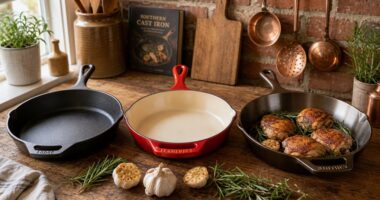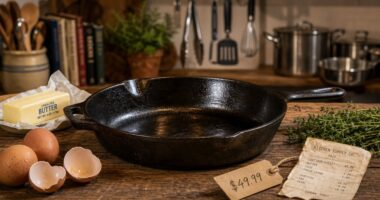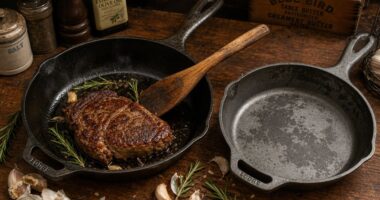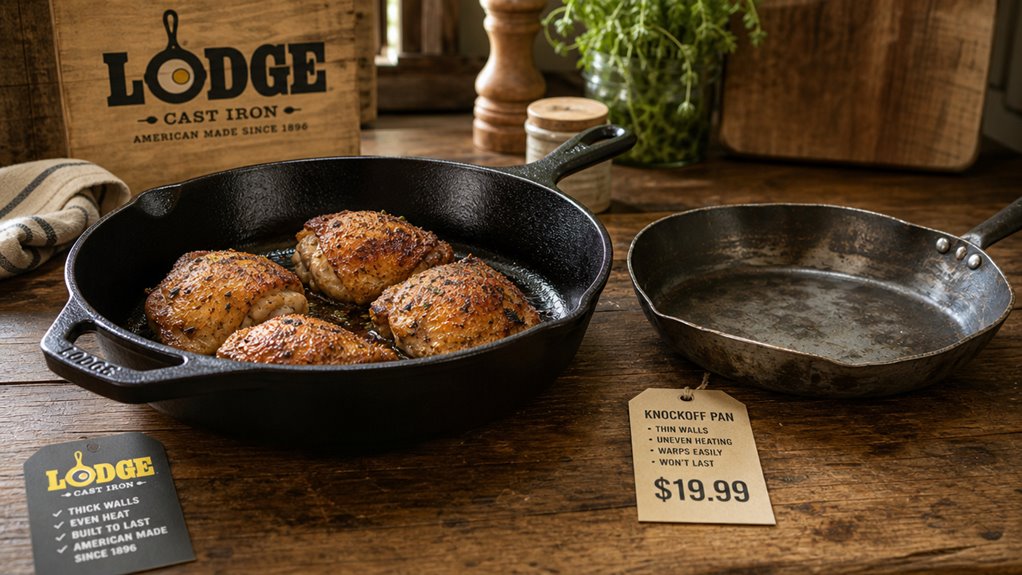

Cost-per-use refers to the total price of a cookware piece divided by the number of times it gets used over its lifespan. A budget enameled Dutch oven from a reputable manufacturer can spread its purchase cost across thousands of meals, bringing each individual use down to a matter of cents.
- Cast-iron construction retains and distributes heat evenly across the base and walls, reducing hot spots during long cooks.
- Enamel bonding protects the iron core from rust and eliminates the need for seasoning between uses.
- Lid seal traps steam inside the pot, creating the consistent moisture levels that braising and slow cooking require.
A thick-walled enameled Dutch oven typically handles around 4,500 to 7,000 meals before showing meaningful wear. That range makes the cost-per-use calculation favor a durable budget model over a cheaper alternative that degrades faster.
Thin-walled knockoff models often chip, warp, or lose structural integrity after a few hundred cooks. When a low-cost piece requires early replacement, the upfront savings disappear and the total spending often exceeds what a more durable option would have cost.
Enameled cast iron holds heat longer than most other cookware materials, which means lower cooking temperatures can achieve the same results over time.
What makes cast iron unusual is that its cooking surface is maintainable rather than consumable. Bare iron can be stripped and re-seasoned indefinitely, and enamel, though it can chip, is a fused glass layer rather than a sprayed film that thins with every use. Either way, nothing is quietly counting down to the end of the pan’s life, which is what lets a piece stay in service for decades rather than years. That is what spreads a higher initial cost across a much longer useful lifespan than lighter cookware manages.
Cheap or expensive is the wrong question. Cost per use is the honest one. Check out our new Calculator.
Cost-Per-Use Calculator →Key Points
- Lodge’s thicker cast‑iron walls retain heat longer, reducing fuel use and cooking time compared with thin‑walled knockoffs.
- Lodge’s enamel bond is baked at high temperature, preventing rust and eliminating the need for seasoning, while knockoffs chip quickly, exposing raw iron.
- A typical Lodge Dutch oven lasts 40+ years, spreading an $80–$90 purchase over 4,500–7,000 meals, yielding $0.07–$0.09 per use.
- Knockoffs often fail within a year due to warping or enamel loss, resetting the cost‑per‑use to $0.20–$0.30 per meal.
- The versatile, single‑pot design of Lodge replaces multiple pans, further lowering overall cooking costs versus cheap, single‑purpose knockoffs.
| Lodge Dutch Oven Lid Lifter - 16″ Camp Tool |  | Heavy-Duty Champion | Material: Cast iron (9 mm bar stock) | Length / Reach: 16 in (40 cm) | Handle Type: Squeeze-grip lock | VIEW LATEST PRICE | Read Our Analysis |
| Lifespace Dutch Oven/Cast Iron Pot Lid Lifter (Short) |  | Best Overall | Material: Cast iron (black finish) | Length / Reach: 8.26 in (21 cm) | Handle Type: Spring-handle (heat barrier) | VIEW LATEST PRICE | Read Our Analysis |
| Stanbroil 15″ Dutch Oven Lid Lifter with Spiral Bail Handle |  | Professional Grade | Material: Cast iron | Length / Reach: 15 in (38 cm) | Handle Type: Spiral bail handle | VIEW LATEST PRICE | Read Our Analysis |
Links to Amazon are affiliate links. Buying through one costs you nothing extra and helps fund the research.
Why a Cast Iron Dutch Oven Is the Clearest Cost-Per-Use Win
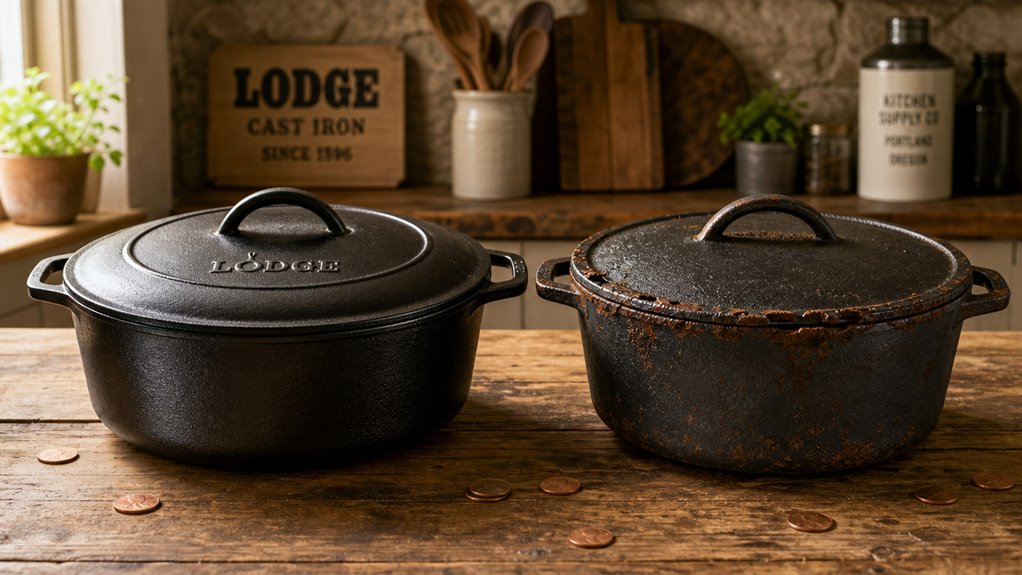
A cast iron Dutch oven earns its cost-per-use advantage through longevity rather than a low sticker price — a mid-range model like Lodge, priced in the moderate tier, typically spreads its upfront cost across decades of regular cooking, reducing each meal’s expense to a fraction of the original purchase.
The key factors are wall thickness and enamel integrity, both of which determine how evenly heat distributes and how long the cookware holds up under repeated thermal stress.
Budget alternatives often use thinner casting and lower-grade enamel coatings that crack or warp within a year of regular use, resetting the cost calculation entirely.
Cast iron’s heat retention also makes it practical across a wide range of cooking methods, from stovetop braising to oven roasting, which increases the frequency of use and drives the per-use cost lower over time.
The details behind what separates a durable Dutch oven from a short-lived one go deeper than price alone. Seasoned cast iron offers a rough texture that excels at searing, while enamel-coated versions provide easier cleaning and less sticking.
How Decades of Use Turn an Upfront Price Into Pennies a Meal
Often you’ll find that a Lodge cast‑iron Dutch oven, used three times a week for thirty years, ends up costing just a couple of pennies per meal.
That cost-per-use math works because the upfront price spreads over roughly 4,500–7,000 meals.
A Lodge Dutch oven typically lasts decades, often 40‑plus years.
The thick sand‑cast body retains heat, so you can sear, braise, bake, or fry without swapping pans, which pushes the “uses per month” count higher.
Maintenance is simple: clean, dry, season when needed, and the iron won’t chip or warp.
Even if the enamel chips, the bare iron still cooks, keeping your investment alive far beyond cheap, thin‑walled knockoffs.
The high‑quality enamel adds a protective layer that prevents sticking and eases cleaning.
Why the Cheapest Pot Is Rarely the Lowest Cost Over Time
The Lodge cast‑iron Dutch oven you’ve been using for years spreads its cost over thousands of meals, so each bite costs only a few pennies. You’ll see that the cheapest pot often fails early, resetting its cost per use and making it more expensive than a sturdy Lodge cast iron Dutch oven that lasts decades.
Thin‑walled knockoffs chip enamel, warp bases, and need replacement within a year, so the initial savings evaporate fast.
- Durability – Thick cast iron endures high‑heat cycles without warping, keeping your cost per use low.
- Versatility – One pot handles braising, baking, and stovetop work, cutting the need for multiple pans and saving energy.
- Maintenance – Seasoning or gentle enamel care prolongs life, while cheap nonstick coatings degrade quickly.
Choosing the Lodge means your upfront price spreads thinly across countless meals, delivering the real value you want. Enamel bonds to cast iron after high‑temperature baking, preventing rust and eliminating the need for seasoning.
| Cast Iron Dutch Oven Lid Lifter with Spiral Handle | 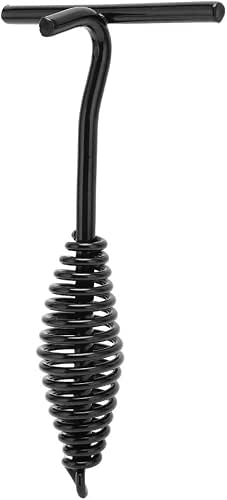 | Budget-Friendly Pick | Material: Cast iron | Length / Reach: 7.7 in (19.5 cm) | Handle Type: Spiral handle | VIEW LATEST PRICE | Read Our Analysis |
| ZJchao Stainless Steel Double-Hook Lid Lifter for Dutch Ovens | 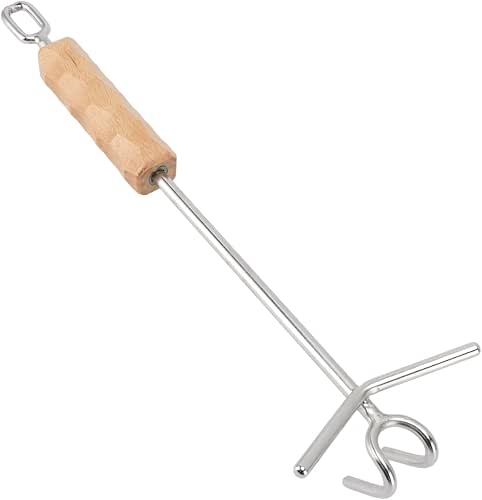 | Outdoor Specialist | Material: Stainless steel (with beech handle) | Length / Reach: 14.2 in (36 cm) | Handle Type: Double-hook with beech handle | VIEW LATEST PRICE | Read Our Analysis |
| Duty Stainless Steel Lid Lifter with Hooks for Cast Iron Pots | | Most Versatile | Material: Stainless steel | Length / Reach: Not specified (lengthened design) | Handle Type: Double-hook (no specific handle described) | VIEW LATEST PRICE | Read Our Analysis |
Links to Amazon are affiliate links. Buying through one costs you nothing extra and helps fund the research.
What Cost-Per-Use Really Measures
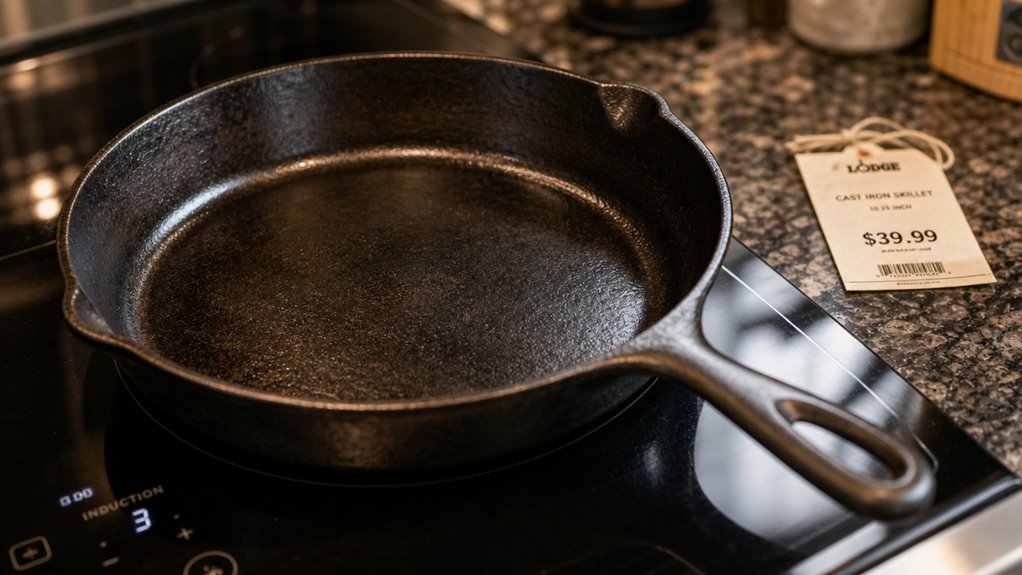
Cost-per-use divides a Dutch oven’s upfront price by the total number of meals cooked in it over its lifespan, turning a seemingly high sticker price into a fraction of a cent per use when the cookware holds up across decades of regular cooking.
Budget options often feature thin casting and fragile enamel that chip or warp after limited use, compressing the denominator and driving per-use cost far higher than the initial price suggests.
Lodge, which already appears as a reference point in discussions of long-term value, illustrates how durable construction and enamel integrity extend usable lifespan and lower that per-meal figure over time.
The quality of the casting and the resilience of the enamel coating are the two variables that most directly determine where a Dutch oven lands on this metric.
The sections that follow examine how each of those factors plays out across different price tiers and construction approaches.
Cost‑per‑use calculations can also be applied to subscription services to reveal hidden expenses.
Upfront Price Divided by a Lifetime of Meals
Divide the pot’s sticker price by the number of meals you’ll actually cook with it, and you get the true cost per use. That simple division shows why a lodge cast iron dutch oven often beats a cheap knockoff. You spread the upfront cost over roughly 4,500‑7,000 meals and end up at a few pennies per meal, while a knockoff that fails after a few hundred meals jumps to 20 cents or more per use. The metric lets you compare apples‑to‑apples, ignoring flashy price tags and focusing on longevity. CPOR provides a clear benchmark for evaluating long‑term value versus short‑term expense.
| Option | Upfront price | Meals before replacement | Cost per use |
|---|---|---|---|
| Lodge cast iron | $80–$90 | 4,500–7,000 | $0.07–$0.09 |
| Knockoff Dutch oven | $30 | a few hundred | $0.20–$0.30 |
- Estimate realistic meals per year.
- Multiply by expected lifespan in years.
- Divide purchase price by that total to get cost per use.
Why a Knockoff’s Low Sticker Hides a High Cost Per Use
When a knock‑off Dutch oven advertises a $30 price tag, the low sticker often masks a hidden expense that shows up later in the cost‑per‑use calculation.
You’ll quickly see that the cheap casting warps under a burner and the enamel chips after a few dozen stews, forcing a replacement within a year. Those early failures reset the cost clock, turning pennies‑per‑meal savings into a costly habit.
In contrast, a Lodge cast‑iron pot endures decades; its thick sand‑cast body spreads the upfront price over thousands of meals, keeping each use under a few cents.
The knockoff’s thin metal and sub‑par coating mean you pay more in replacements, shipping, and potential safety risks, so choosing a Lodge over a cheap Dutch oven isn’t a price debate. It’s a value one.
How a Lodge Cast Iron Dutch Oven Beats a Knockoff Over a Decade
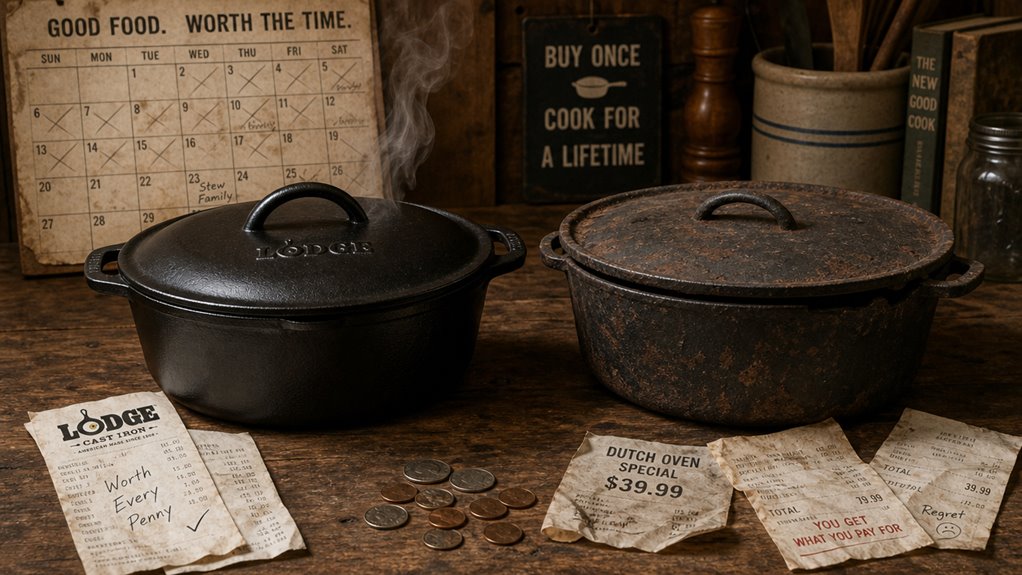
A Lodge cast iron Dutch oven outperforms budget knockoffs over a decade primarily because thick cast iron walls, a durable enamel interior, and long-term cost efficiency compound in ways that cheap alternatives can’t replicate.
Thick walls retain heat steadily during a braise, reducing the need for constant temperature adjustments that thinner-walled pots demand.
An enamel-coated interior handles broiler-level oven heat without cracking or degrading, whereas budget versions often fail structurally within months of regular use.
Because a well-made cast iron piece typically remains functional across hundreds of meals, the upfront price spreads into a lower per-meal cost than a knockoff that requires early replacement.
The details behind each of these advantages are worth understanding before choosing between them.
Heat Retention, Even Braising, and an Oven-Safe Body
Retaining heat comes down to mass and thickness, and Lodge’s enameled Dutch ovens check both boxes. Their thick cast‑iron walls give a thermal mass that outpaces thin‑walled knockoffs, so the pot stays hot longer and the heat spreads evenly. The tight‑fitting lid locks in steam, making braising gentle and uniform, while the enamel survives 500°F oven cycles without warping. You’ll notice fewer hot spots on the stovetop, and the pot handles repeated temperature swings without cracking.
In short, a Lodge enameled Dutch oven earns its place through heat retention, steady braising, and a reliable oven‑safe body.
- Thick iron walls → longer heat hold.
- Flat base & snug lid → even simmer and self‑basting.
- 500°F enamel rating → safe for high‑heat roasting.
Why a Lodge Costs Less Per Use Than a Knockoff That Cracks
Heat retention and even braising got you convinced a Lodge can hold a steady temperature, but the real money saver shows up when you compare how long the pot lasts. You’ll see a Lodge 6‑qt enameled Dutch oven spread its price over roughly 4,500‑7,000 uses, landing well under ten cents per meal. A knockoff chips, cracks, and warps in a year or two, forcing you to replace it after only a few hundred uses and pushing its cost per use past twenty cents. The durability difference is clear when you look at the numbers.
| Product | Approx. Cost per Use |
|---|---|
| Lodge cast iron | $0.07‑$0.09 |
| Knockoff dutch oven | $0.20‑$0.30 |
| Premium enamel (Le Creuset) | $0.10‑$0.12 |
You’ll also notice the Lodge’s thick walls and multi‑layer enamel keep heat even and cleanup quick, while the knockoff’s thin casting and cheap enamel demand extra scrubbing and can rust. The only drawback? Lodge’s heavier weight may feel bulky on a small stovetop. Still, over a decade it stays the cheapest option per use.
Where a Knockoff Fails First
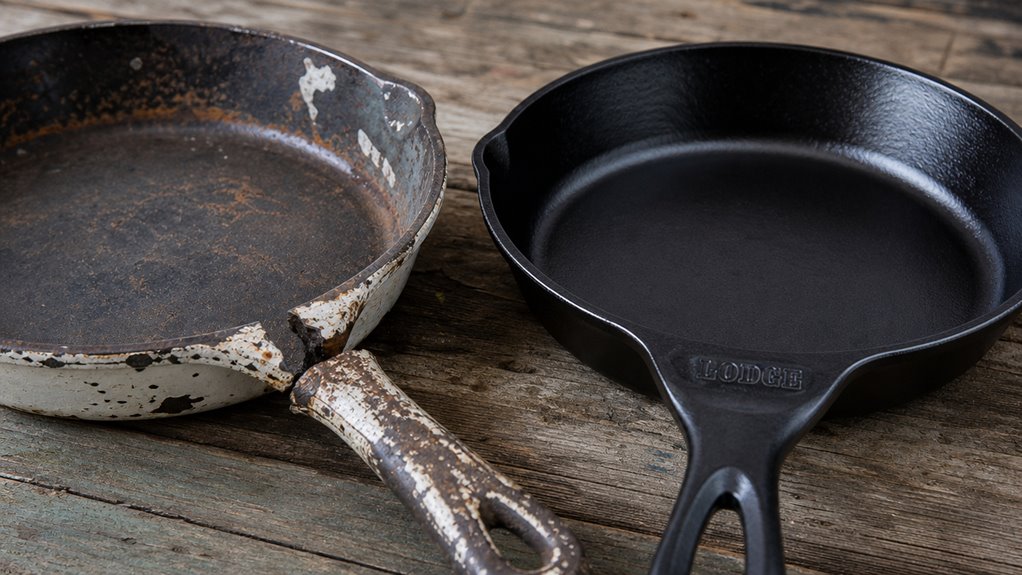
Knockoff dutch ovens and similar budget cookware typically fail at the casting first, where thin walls and inconsistent metal thickness cause the base to warp under repeated high-heat cycles.
Once the structure loses its shape, the enamel coating — already applied as a thin, under-cured layer — begins to separate from the metal beneath it. Poor adhesion between the coating and the cast body accelerates chipping, leaving the cooking surface exposed and difficult to clean safely.
Each failure compounds the other: a warped base stresses the enamel bond, and flaking enamel accelerates further degradation of the underlying metal. Understanding how these weak points interact explains why budget cookware often costs more over time than its purchase price suggests.
Thin Casting, Chipping Enamel, and a Base That Warps
When a knockoff Dutch oven’s walls are only about 1.5 mm thick, the pot loses the mass that gives traditional cast iron its steady heat capacity, so hot spots appear quickly and the metal flexes under repeated high‑heat cycles.
You’ll see the enamel chip at rims and lid edges, exposing raw iron that rusts and flakes.
The thin base warps under burner heat, rocking on flat burners and ruining even oil distribution.
Those flaws add up, turning a cheap purchase into a frequent replacement.
- Thin casting reduces heat capacity and invites hot spots.
- Low‑quality enamel chips, exposing metal and causing rust.
- Base warping distorts contact, lowering efficiency and increasing wear.
Why Those Failures Reset the Cost-Per-Use Clock
Because a knockoff Dutch oven can chip, warp, or crack after just a few dozen meals, you end up buying a new one before the original price has any chance to amortize. Each failure forces a full repurchase, resetting the cost‑per‑use clock to the sticker price and wiping out any early savings.
The cheap enamel may look fine at first, but when it chips you lose heat retention and waste ingredients, adding hidden costs. You also spend time learning a new pan’s quirks, and you may need to buy a less suitable backup pot. Those setbacks pile up, so the cookware lifespan of a knockoff shrinks dramatically, while a Lodge cast‑iron oven spreads its price over decades, making the question “is a Lodge Dutch oven worth it?” answer clearly in its favor.
How Lodge Compares to a Premium Enameled Pot
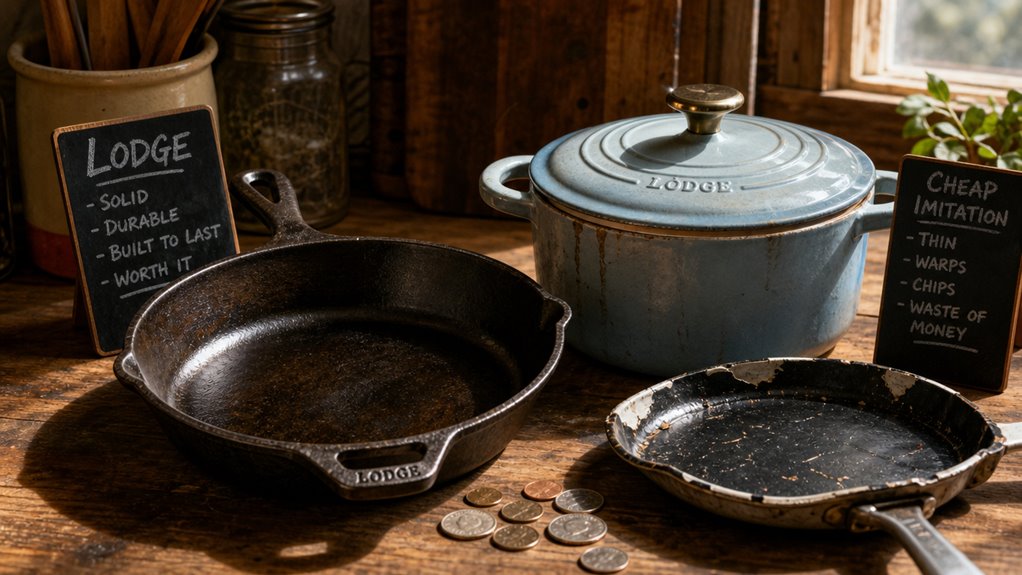
Lodge cast iron with functional enamel delivers comparable heat retention to premium enameled cookware for braising, searing, and oven work, because the core material — thick cast iron — performs the same role in both pots regardless of price tier.
The difference a higher price typically buys is a more refined enamel coating and a lifetime warranty, not a fundamentally stronger or more capable cooking vessel. Cast iron’s density is what drives heat retention and even temperature distribution, so the enamel finish above it shapes durability and aesthetics more than it shapes cooking performance.
Lodge’s enamel coating is more prone to chipping over time, while premium enamel tends to hold its surface condition longer under the same use conditions. The details behind those trade-offs are worth examining closely.
What the Premium Price Actually Buys
If you compare a Lodge enameled Dutch oven to a high‑end brand, the premium price mainly buys a finer enamel system and tighter tolerances.
You’ll notice a multi‑layer coating that resists chips, a smoother interior that reduces hotspots, and tighter lid seals that keep steam in.
The weight feels heavier, but the heat stays uniform across the base.
You also get a longer warranty and stricter quality control, meaning fewer cosmetic defects slip through.
In everyday cooking, those details translate to a steadier braise and less sticking, but they don’t drastically change the fundamental performance you already get from a solid cast‑iron core.
- Thicker, multi‑coat enamel for durability
- Smoother interior finish for even heating
- Tighter‑fitting lid for better moisture retention
Why a Lodge Enameled Pot Matches a Le Creuset Where It Counts
While both Lodge and Le Creuset deliver the core benefits of an enameled cast‑iron Dutch oven: steady heat, stovetop‑to‑oven flexibility, and low‑maintenance cooking. The budget Lodge does it at a fraction of the price without sacrificing the essential performance you need for daily braises, soups, and stews. You’ll find the same heat‑retention for simmering stocks, and the enamel resists chipping far better than a knockoff that often warps. The only downside is a slightly rougher exterior finish, but it’s negligible for everyday use.
| Feature | Lodge |
|---|---|
| Price | ~$80 |
| Capacity | 6 qt |
| Enamel durability | High, comparable to premium |
| Heat retention | Strong, cast‑iron base |
| Lifespan | Decades with proper care |
Your cost‑per‑use drops to pennies per meal, beating cheap pretenders that fail within a year.
Frequently Asked Questions
How Many Meals Does a Lodge Dutch Oven Typically Last?
You’ll get roughly 4,500–7,000 meals from a Lodge Dutch oven, often spanning decades. Proper care keeps the enamel and iron intact, so you’re paying pennies per use, not a costly replacement.
Can I Use a Lodge Oven on Induction Without a Diffuser?
Like a magnet pulling iron, you can place your Lodge Dutch oven directly on induction. No diffuser is needed. Just make sure the base is clean, match the coil size, and preheat gradually for peak performance.
Does Enamel Thickness Affect Seasoning Speed?
You won’t see seasoning speed change. Enamel’s glass surface never bonds oil, so thickness doesn’t matter. Only exposed bare iron seasons, and that happens at the same rate regardless of enamel thickness.
What Warranty Does Lodge Offer Versus Knockoff Brands?
You’ll see Lodge’s limited‑lifetime warranty shielding defects, while knockoffs usually offer a short, vague guarantee, often just 30 days, leaving you exposed when enamel chips or the base warps.
Are There Specific Recipes That Reveal Heat‑Retention Differences?
You’ll see the gap when you simmer a stew, braise short ribs, or finish risotto off‑heat; thick Lodge walls keep temperature steady, while a thin knockoff cools fast, ruining texture and flavor.
Conclusion
You’ve seen the numbers, and the math checks out: a Lodge cast‑iron Dutch oven spreads its modest price over decades, while a knockoff’s cheap start ends in warping or chipped enamel within a few years. Think of Lodge as a sturdy oak tree that keeps bearing fruit, versus a sapling that cracks under the first storm. It won’t melt in a high‑heat oven, but you’ll need to re‑season it occasionally. In the long run, the cost‑per‑use advantage is clear.
| Fdit 19.5cm Dutch Oven Lid Lifter with Spiral Handle |  | Best Value | Material: Cast iron | Length / Reach: 19.5 cm (7.7 in) | Handle Type: Spiral handle | VIEW LATEST PRICE | Read Our Analysis |
| Dutch Oven Lid Lifter 7.7″ Cast Iron Handle |  | Portable Pro | Material: Cast iron | Length / Reach: 19.5 cm (7.7 in) | Handle Type: Spiral handle | VIEW LATEST PRICE | Read Our Analysis |
| Sonew 36cm Stainless Steel Lid Lifter with Double Hook | | Premium Stainless | Material: Stainless steel (with beech handle) | Length / Reach: 36 cm (14.2 in) | Handle Type: Beech handle (double-hook) | VIEW LATEST PRICE | Read Our Analysis |
Links to Amazon are affiliate links. Buying through one costs you nothing extra and helps fund the research.

Michael Haralson worked in professional kitchens from 1979 to 1992: San Diego restaurants, six years with a catering company beside an Austrian chef, and two summers as a cook on the Finland to Sweden cruise route. He then built a fifteen-year career at Nokia. It began in product marketing and product management, where technical specifications and supplier evaluation were part of the work, and grew from a few countries to a region to global roles, then into sales and corporate strategy. That took him to Beijing for three years, where he spent many weekends in a different province trying the local food and took cooking classes. He has eaten in more than 40 countries and has been shown the kitchens of restaurants in Southern Europe. At home in Finland he cooks Cantonese, Sichuan and Mediterranean food, and still uses the cast iron skillet he bought in 1992. He is the author of Buy It Once, Book One of The Researched Kitchen, and writes here about the balance between kitchen tools that cost too much and those that fail too soon.