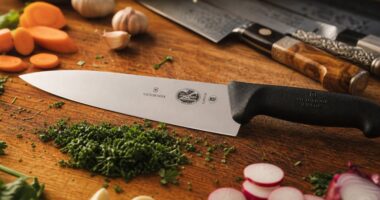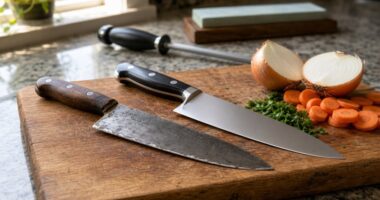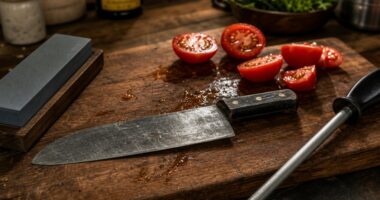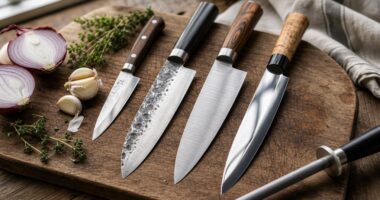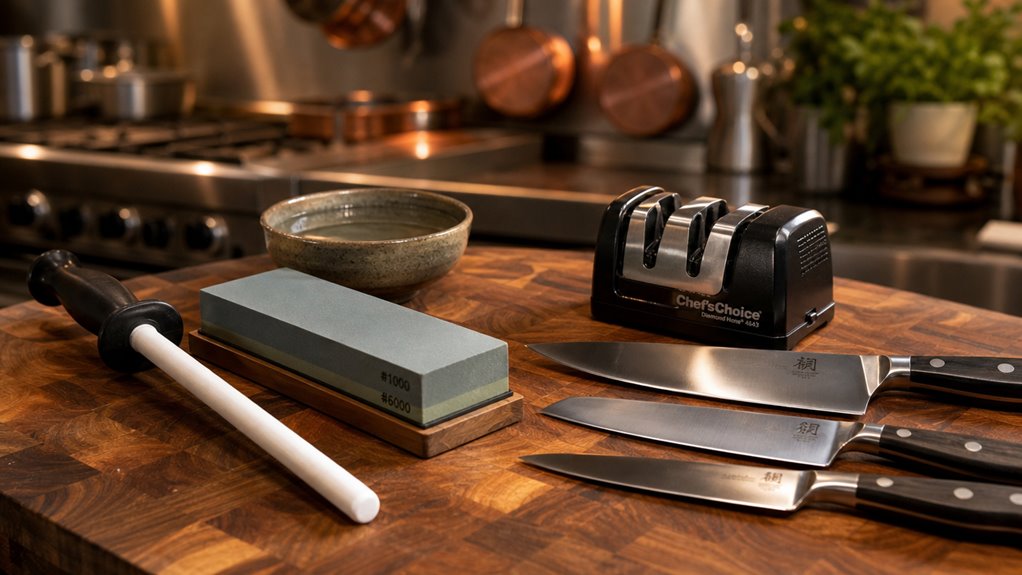

Knife sharpening depends on matching the right tool to the blade type and steel hardness. A whetstone, a honing rod, and a pull-through sharpener each serve a different purpose, and using the wrong one can damage the edge rather than improve it.
- Whetstone allows precise bevel control, typically set between 15 and 20 degrees, and removes metal only where the edge needs correction.
- Ceramic honing rod realigns a bent or rolled edge between sharpening sessions without stripping steel from the blade.
- Pull-through sharpener works at a fixed angle, making it suitable for soft-steel knives but potentially harmful to thin, hard Japanese edges.
Whetstones produce a finished edge through progressive grits, ending with a fine polish around 6000 grit that extends how long a blade holds its sharpness. The process takes more time than other methods, but the level of control over bevel angle makes it the standard approach among professional sharpeners.
Electric and diamond-coated sharpeners remove material quickly and reshape a dull or damaged edge faster than hand methods. The trade-off is greater metal loss per session and the risk of overheating the blade, which can weaken the temper and reduce the knife’s working lifespan.
A sound sharpening routine balances precision, speed, and steel wear by rotating between methods based on the knife’s condition. Regular honing reduces how often a full stone session is needed, which slows cumulative metal removal over time.
A knife’s edge geometry is measured in degrees per side, and many Japanese knives are ground to around 15 degrees per side, compared to roughly 20 degrees common in Western-style blades. That difference makes sharpening tool selection particularly consequential.
Cheap or expensive is the wrong question. Cost per use is the honest one. Check out our new Calculator.
Cost-Per-Use Calculator →Key Points
- Begin with a coarse whetstone (≈220‑400 grit) to set the edge geometry, then progress through medium (≈1000 grit) and fine (≥6000 grit) stones for burr removal and polishing.
- Maintain a consistent bevel angle (15‑20° per side for Western knives, 10‑15° for Japanese) using visual guides or a guided‑angle system throughout the stone progression.
- After each stone stage, feel for a light burr on the opposite side; then switch to the finer stone to refine the edge and eliminate the burr before stropping.
- Use a ceramic honing rod between full sharpenings to realign the apex and preserve the edge without removing significant metal, especially on softer European steels.
- Finish with a leather strop (or fine‑grit stropping disk) to polish the edge and remove any remaining burr, extending retention and delivering a professional‑grade bite.
| Rada Cutlery Quick Edge Knife Sharpener (R119) |  | Hunting Essential | Sharpening Stages: Dual-wheel (high-carbon steel) | Material of Abrasives: Hardened stainless steel wheels | Grip/Handle Type: Nylon base (no dedicated handle) | VIEW LATEST PRICE | Read Our Analysis |
| Smith's Pull-Thru Knife Sharpener |  | Sports Enthusiast | Sharpening Stages: 2-stage (carbide + ceramic) | Material of Abrasives: Carbide and ceramic rods | Grip/Handle Type: Soft-grip rubber handle | VIEW LATEST PRICE | Read Our Analysis |
| HENCKELS Handheld Knife Sharpener – Ergonomic Compact |  | Kitchen Pro | Sharpening Stages: 2-stage (coarse + fine ceramic) | Material of Abrasives: Ceramic grits | Grip/Handle Type: Ergonomic contoured plastic handle | VIEW LATEST PRICE | Read Our Analysis |
Links to Amazon are affiliate links. Buying through one costs you nothing extra and helps fund the research.
The Knife Sharpener Methods the Pros Actually Rely On
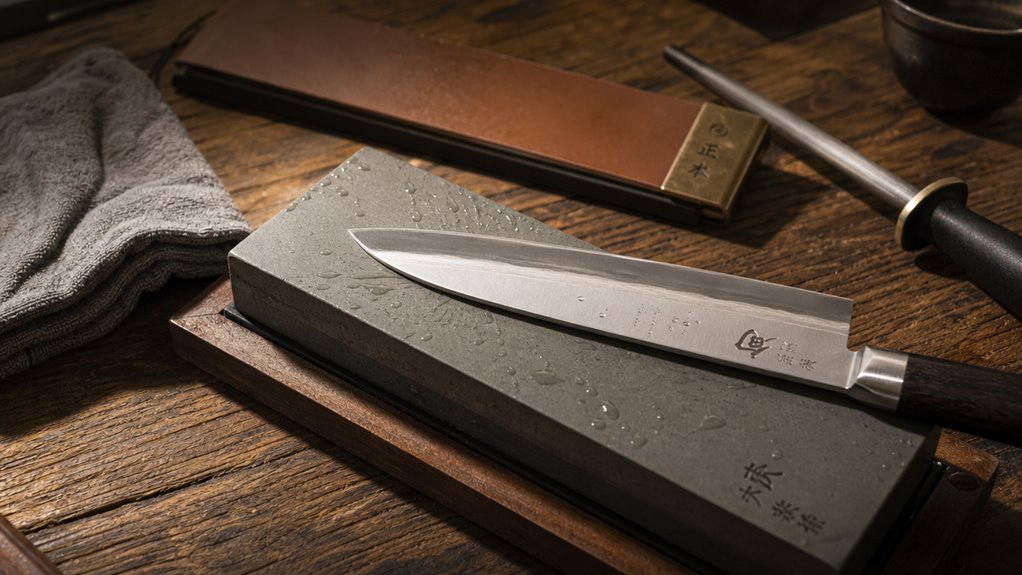
Professional knife sharpeners rely on whetstones as their primary tool because the stones allow precise control over bevel angle and limit metal removal to only what’s necessary — a meaningful advantage when working with a 15-degree Japanese edge that fixed-angle pull-through sharpeners can easily damage.
Honing rods serve a different function, straightening the edge during routine maintenance without removing steel, which keeps a blade performing between full sharpening sessions.
Electric sharpeners automate the process but typically remove more material than hand sharpening, making them a tradeoff between speed and longevity.
Pull-through sharpeners are generally suited to budget knives, where the convenience outweighs the lack of angle adjustability.
Understanding how each method interacts with edge geometry and steel type shapes every choice that follows. Adding a guided angle system can help maintain consistent bevels across multiple sharpenings.
Whetstones, Pull-Throughs, Honing Rods, and Electric Sharpeners
A whetstone gives you full angle control, letting you set the 15‑20° per side that pros swear by, and you can dial the grit from coarse 220‑400 for edge formation up to 1,000+ for polishing. You’ll feel the stone’s resistance and adjust pressure, forming a burr before you fine‑grit for a clean edge. Thick edge geometry can hinder sharpening on very hard steels, making a thinner edge geometry preferable for easier maintenance.
A pull‑through sharpener speeds a quick fix, but its preset angle forces a single geometry, which can over‑remove metal on a 15° Japanese blade.
Honing rods realign the edge between stone sessions without taking steel, though heavy strokes can bruise the bevel.
Electric sharpeners automate coarse then fine stages, cutting time, yet they lock you into a fixed angle and may strip more steel than a skilled hand. Use each tool where its strength matches the blade’s value and your skill level.
Why Honing Realigns an Edge Without Removing Steel
When you run a honing rod over a blade, you’re not shaving off metal; you’re nudging the rolled‑over apex back into its original shape, much like straightening a bent wire.
Honing contacts only the very tip, so it pushes deformed micro‑serrations into line instead of cutting new bevels.
The pressure stays light—just the knife’s weight—so the steel volume stays almost unchanged. That distinction matters: sharpening removes material, honing merely realigns it.
A proper honing rod works at the right angle and low force, correcting rolled edges before they harden into permanent wear. It works best on softer European steels; harder Japanese steels need a finer ceramic rod to avoid chipping.
When the edge is still sharp but feels tired, a few strokes will restore its bite without any metal loss. Regular honing extends the time between full sharpening sessions by weeks or months.
How Whetstones Build the Sharpest, Longest-Lasting Edge
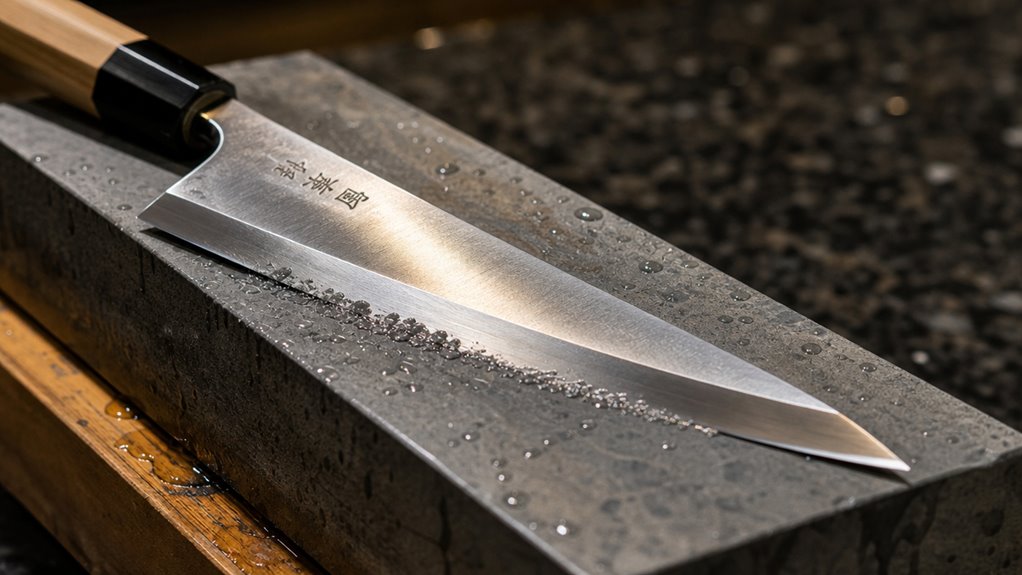
Whetstones build a sharp, long-lasting edge by letting the user control both the sharpening angle and the pressure applied on every pass, which determines how much metal is removed and how refined the final bevel becomes.
A typical progression moves from a coarser grit, around 400, to reshape the bevel and clear any nicks, through a mid-range grit near 1000 to form a consistent burr, and finally to a finer grit around 6000 to polish the edge.
The angle held during sharpening matters significantly: Japanese blades are typically worked at around 10 to 15 degrees, while German knives are often sharpened closer to 15 to 20 degrees.
Because that angle stays fully adjustable throughout the process, whetstone sharpening suits a wider range of blade geometries than fixed-angle tools allow.
The details behind each stage of this process reward a closer look.
Japanese Whetstones are considered the best method for sharpening and maintaining edge geometry.
Grit Progression: 400, 1000, and 6000 and What Each Does
Start with the 400‑grit stone if the blade’s edge is chipped, heavily dulled, or you need to reshape the bevel. It removes metal quickly, giving you a new, rough edge that looks toothy and cuts, but it leaves deep scratches.
Next, move to a 1000‑grit whetstone. This middle grit thins the 400 scratches, aligns the apex, and creates a functional working edge without over‑removing steel.
Finally, finish on a 6000‑grit whetstone. The fine grit smooths the 1000 pattern, reduces burrs, and leaves a polished edge that still has microscopic tooth for bite. Each stage replaces a coarser scratch pattern with a shallower one, strengthening the edge and extending its life.
For everyday sharpening, a medium stone like #1000 is sufficient to maintain the edge without excessive material loss.
Why No Gadget Matches the Angle Control a Stone Gives
Because a whetstone lets you adjust the bevel angle on the fly, you can match the exact geometry the blade was designed for instead of forcing it into a preset slot. You’ll notice the difference immediately when you learn how to use a whetstone: each stroke lets you micro‑tune the knife sharpening angle, keeping the edge thin where the factory set it and widening it where you need durability.
The stone’s flat surface lets you shift pressure and angle together, creating a slight convex micro‑bevel that strengthens the edge without sacrificing sharpness. With a Sharpie marker on the bevel, you see the contact zone, and the scratch pattern tells you if the angle stays consistent from heel to tip. This feedback loop, visual, tactile, and auditory, means you never lock the blade into a one-size-fits-all slot, something fixed‑angle gadgets can’t replicate.
When a Pull-Through Knife Sharpener Helps and When It Harms
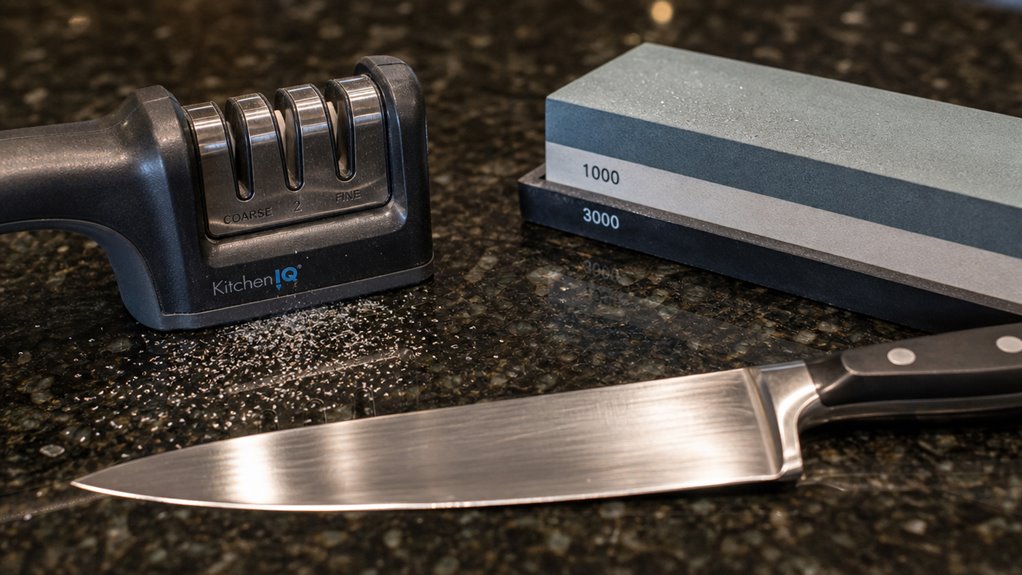
Pull-through knife sharpeners offer a fast, low-skill way to restore a dull edge, but whether they help or harm depends on the knife’s steel hardness, blade geometry, and how often the tool is used.
Carbide slots remove metal aggressively, which makes them practical for soft-steel or budget knives that have lost noticeable sharpness, while the same abrasive action can degrade a high-quality edge over repeated use. Japanese knives present a specific mismatch, since their tighter blade angle typically sits outside the fixed geometry most pull-through designs accommodate.
Ceramic slots behave more like a honing rod than a sharpener, making them safer for light maintenance but insufficient for restoring a seriously dulled edge the way a whetstone can.
The sections that follow examine each variable in detail.
Carbide Versus Ceramic Slots and How Much Steel They Strip
When you pull a blade through a carbide slot, the abrasive teeth actually scrape and tear steel from both sides of the edge, so you’re removing a noticeable amount of material in one swift motion.
The aggressive action can strip far too much metal, reshaping the profile and leaving a micro‑serrated edge that feels sharp at first but dulls quickly.
In contrast, a ceramic slot works like a fine‑grit polishing stage; it removes only a thin layer of steel while smoothing the bevel and refining the apex.
Because the ceramic abrasive is gentler, you keep most of the blade’s original geometry.
Use carbide for emergency repairs on very dull, cheap knives, but stick to ceramic for routine maintenance to preserve edge life.
Why Fixed-Angle Slots Fight Japanese Edge Geometry
If you slide a Japanese kitchen knife through a pull‑through sharpener set at a fixed 20° per side, the tool forces a steeper micro‑bevel than the blade was originally ground to. Japanese edges sit at 10–15° per side, so a 20° slot adds unnecessary thickness and erodes the fine, laser‑like cut you expect. The fixed angle also wipes out any asymmetric bevels, turning a specialty single‑bevel into a generic V‑edge. So pull-through sharpeners can ruin thin, high‑performance blades, while the same device can rescue a dull, cheap workhorse in a pinch.
When you compare whetstone vs pull through sharpener, the stone lets you keep true geometry, while the slot trades precision for speed and convenience. Use the stone for regular maintenance; reserve the pull‑through for emergencies or low‑cost knives.
When a Pull-Through Saves a Victorinox and When a Whetstone Wins
Pull‑through sharpeners can rescue a Victorinox that’s turned into a blunt, useless slab, especially when you need a quick fix and the steel is soft enough to tolerate the aggressive carbide V‑slot without cracking.
If you have a Victorinox Fibrox that’s been used hard in a busy kitchen or a rental property, the fixed‑angle slot gives you a usable edge in seconds, fine for soft vegetables or a quick tomato slice.
The downside is that each pull removes a noticeable amount of metal, and uneven pressure can create weak spots that chip later.
A whetstone, by contrast, lets you control the bevel, keep metal loss minimal, and work the whole edge from heel to tip.
It takes longer, 20 to 30 minutes for a full progression, but the result stays sharp longer and avoids the step‑in front of the bolster that pull‑throughs often leave.
Use the pull‑through only for cheap, low‑cost knives; reserve the stone for any blade you intend to keep.
Electric Knife Sharpeners, Speed, and What You Give Up
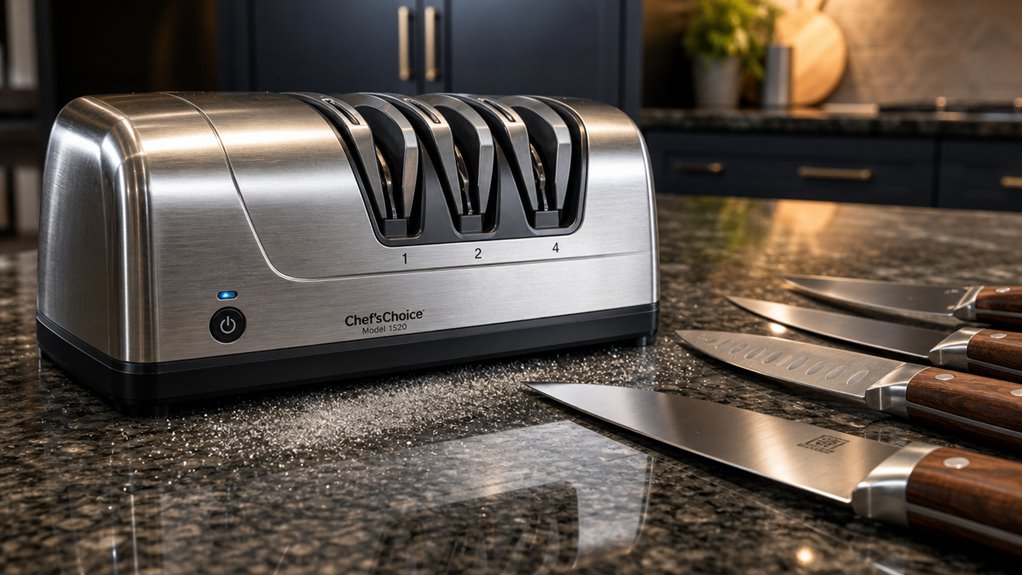
Electric knife sharpeners trade blade longevity for convenience, and understanding that trade-off starts with how speed and abrasion interact during the sharpening process. A motor-driven sharpener like the Chef’sChoice 130 uses diamond abrasive wheels that spin quickly, removing metal at a rate manual methods typically can’t match.
The fixed-angle guide built into that design standardizes the bevel, which simplifies use but eliminates the control needed to preserve high-carbon edges over repeated sessions. Aggressive metal removal during the initial sharpening stage can shorten a blade’s usable lifespan, meaning faster results at the wheel often lead to more frequent replacements over time.
The factors that shape this outcome — abrasive material, bevel geometry, and motor speed — carry more nuance than the sharpener’s ease of use suggests.
The Chef’sChoice 130, Diamond Wheels, and Aggressive Removal
Grind away the dullness with the Chef’sChoice 130, but remember you’re trading precise angle control for speed. The unit uses a three‑stage system; Stage 1 features a diamond wheel that removes metal aggressively, reshaping a damaged edge in a handful of passes. Because the wheel is 100 % diamond‑coated and conically shaped, it concentrates force and heats the steel quickly, so you’ll see rapid stock removal but lose the fine‑tune angle you’d get on a whetstone.
Stage 2 adds a miniature steel belt that creates a micro‑serrated edge for extra bite, while Stage 3 finishes with a flexible stropping disk to polish away burrs. The main drawback is the fixed angle guide—once you set it, you can’t adjust bevels for Japanese‑style knives or custom profiles. This makes the Chef’sChoice 130 a fast, convenient option for everyday kitchen knives, but it sacrifices the control that professional manual sharpening provides.
Why Speed Costs Blade Life Over the Years
When you drop a blade into a high‑speed electric sharpener, the motor‑driven wheel or belt shaves off steel in seconds, and you get a sharp edge almost instantly. The convenience comes at a cost: excessive abrasive removal at high speed thins the edge, and heat buildup and metallurgical damage can soften the temper.
Over time you’ll notice a softer feel and more frequent re‑sharpening.
- Aggressive grit removes more metal per pass.
- Fixed angles ignore your blade’s original geometry.
- Friction creates localized heat that alters hardness.
- Uneven contact leaves thin spots that crack under stress.
These trade‑offs mean you sacrifice long‑term durability for a quick, flashy edge.
Building a Sharpening Routine That Keeps Knives Keen
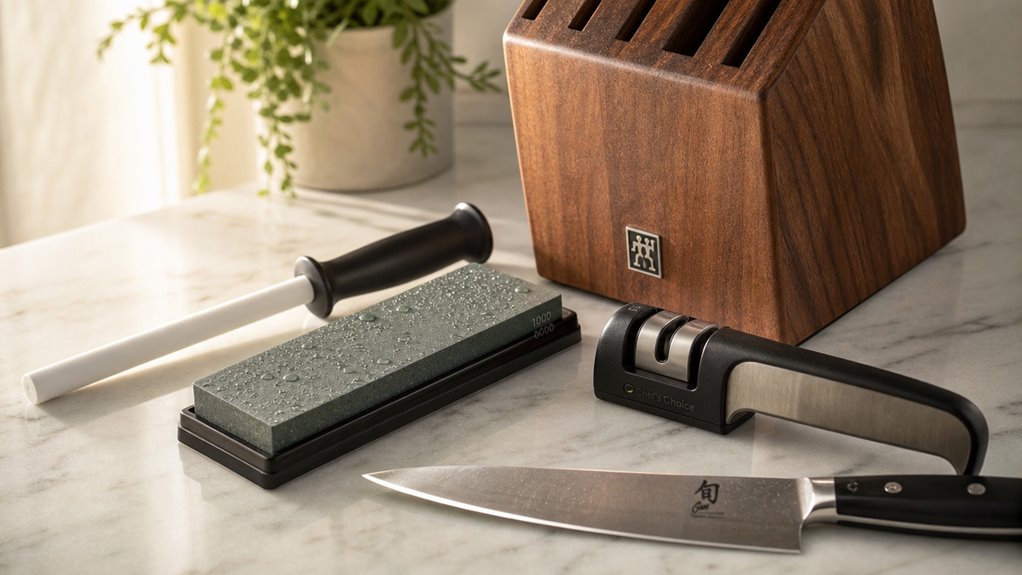
A sharp knife depends on pairing regular honing with periodic sharpening on a whetstone, and knowing when each tool is appropriate.
Honing with a rod realigns the edge bevel after every few uses, correcting the microscopic folds that form during normal cutting without removing meaningful amounts of metal.
When a blade no longer bites cleanly through food, honing alone can’t recover the edge. A whetstone session is needed to grind away worn metal and reestablish the bevel geometry.
Finishing with a stropping pass removes the burr left by sharpening and polishes the edge so it holds longer between maintenance sessions.
The details of each stage shape how long a knife stays keen and how much effort the routine actually demands.
Honing Often, Sharpening Rarely, and Stropping to Finish
Usually you’ll find yourself honing a knife after a couple of cooking sessions, just before the cut starts to feel sluggish. A quick 10‑20 stroke pass realigns the edge without shaving metal, keeping the bevel intact.
After a full stone sharpening—once every few months for home use—run the blade across a leather strop to polish the apex and erase burrs. This three‑step cadence stretches the time between heavy metal removal while preserving sharpness.
- Hone every 2–3 sessions, light pressure, 15–20° angle.
- Sharpen on a whetstone only when the edge truly dulls, using coarse‑to‑fine grits.
- Stropping after each sharpening, then as a quick touch‑up between sessions.
- Clean and dry the blade before any routine to avoid contaminant scratches.
Why a Honing Rod Can’t Replace Real Sharpening No Matter How Often You Hone
Because a honing rod only straightens a blade that already has a proper bevel, it can’t rebuild an edge that’s worn flat or chipped.
You’ll notice the difference when the blade feels dull after a few uses, even though you’ve honed it every day. Honing vs. sharpening isn’t a semantics debate; it’s about mechanism. A honing rod merely realigns microscopic burrs, while sharpening removes metal to reshape the primary and secondary bevels.
If you skip how to sharpen a knife with a whetstone, the edge geometry degrades, and no amount of frequent honing will restore the thin apex. Think of the rod as a toothbrush for daily care, not the dentist that fixes a broken tooth.
Regular stone work removes the fatigue that honing can’t fix, keeping your knives truly keen.
Frequently Asked Questions
How Often Should I Replace a Whetstone Before It Loses Effectiveness?
You should replace your whetstone only when flattening can’t restore a flat, even surface. That point usually arrives after it’s become uneven, glazed, cracked, or too thin despite regular truing.
Can a Pull‑Through Sharpener Be Safely Used on a Japanese‑Style Blade?
Sharp, swift, and safe? No. Standard pull-throughs crush Japanese blades. Their fixed angle and aggressive grit chip hard steel, so stick to whetstones or a dedicated Japanese‑specific model for reliable, gentle sharpening.
What Grit Is Ideal for Polishing a Knife After a Coarse Stone?
Aim for around 6000 grit to polish after the coarser stones; it removes the burr, refines the edge, and gives a sharp, practical finish without excessive metal loss, consistent with the 400 / 1000 / 6000 progression this article recommends.
Do Electric Sharpeners Affect the Blade’s Temper or Hardness?
Electric sharpeners can over‑heat the thin edge, temporarily reducing temper and hardness if you don’t pause to let the steel cool between passes.
Should I Hone a Knife After Every Sharpening Session?
No, you don’t need to hone after every sharpening. Lightly hone only when you see burrs or a slightly uneven edge; otherwise, a well‑done stone sharpen already leaves a clean, ready‑to‑cut edge.
Conclusion
You’ll end up treating your knives like a garden: a whetstone is the spade that lets you shape each blade’s edge with care, while a pull‑through is a quick rake that only works on cheap, hardy plants. Honing rods keep the rows straight, and electric sharpeners give you speed at the cost of some precision. Pick the tool that matches the knife’s value and your willingness to invest time, and the edge will stay sharp enough for everyday cooking.
| KitchenIQ Edge Grip 2-Stage Knife Sharpener (Black) | 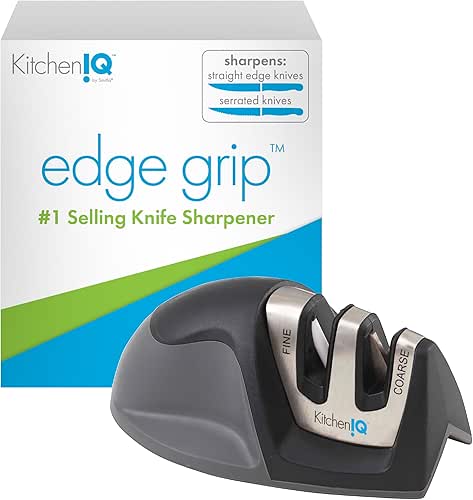 | Compact Edge | Sharpening Stages: 2-stage (carbide + ceramic) | Material of Abrasives: Carbide blade and ceramic rods | Grip/Handle Type: Soft-grip rubber handle | VIEW LATEST PRICE | Read Our Analysis |
| AccuSharp 2-Stage Compact Knife Sharpener |  | Portable Power | Sharpening Stages: 2-stage (tungsten carbide + ceramic) | Material of Abrasives: Tungsten carbide and ceramic rods | Grip/Handle Type: ABS body, no dedicated grip | VIEW LATEST PRICE | Read Our Analysis |
| Gatco Double Duty Manual Knife Sharpener – Compact Pocket | 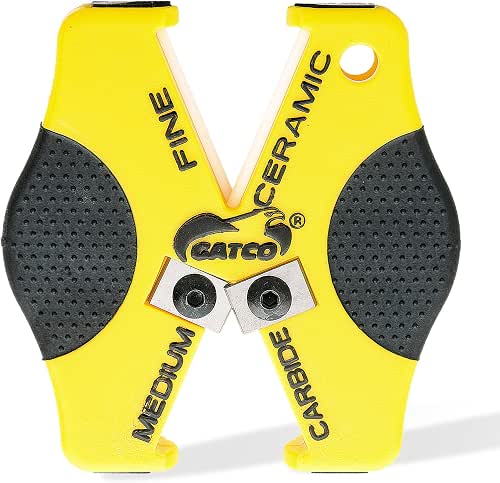 | Pocket Ready | Sharpening Stages: 2-stage (tungsten carbide + ceramic) | Material of Abrasives: Tungsten carbide and ceramic rods | Grip/Handle Type: ABS frame with side pads | VIEW LATEST PRICE | Read Our Analysis |
Links to Amazon are affiliate links. Buying through one costs you nothing extra and helps fund the research.

Michael Haralson worked in professional kitchens from 1979 to 1992: San Diego restaurants, six years with a catering company beside an Austrian chef, and two summers as a cook on the Finland to Sweden cruise route. He then built a fifteen-year career at Nokia. It began in product marketing and product management, where technical specifications and supplier evaluation were part of the work, and grew from a few countries to a region to global roles, then into sales and corporate strategy. That took him to Beijing for three years, where he spent many weekends in a different province trying the local food and took cooking classes. He has eaten in more than 40 countries and has been shown the kitchens of restaurants in Southern Europe. At home in Finland he cooks Cantonese, Sichuan and Mediterranean food, and still uses the cast iron skillet he bought in 1992. He is the author of Buy It Once, Book One of The Researched Kitchen, and writes here about the balance between kitchen tools that cost too much and those that fail too soon.