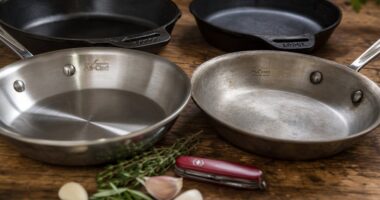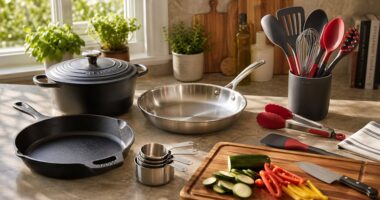
A buy-it-for-life kitchen kit requires a small selection of durable, multi-use tools that replace the need for repeated low-quality purchases. Choosing the right materials and construction standards from the start reduces long-term spending on replacements.
- Cast-iron skillet handles searing, baking, and oven work across decades of regular use.
- Carbon-steel chef’s knife holds a sharp edge far longer than low-carbon alternatives, reducing sharpening frequency.
- Heavy-gauge stainless sheet pan resists warping at high heat, maintaining flat contact with oven racks over time.
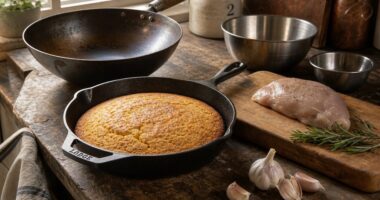
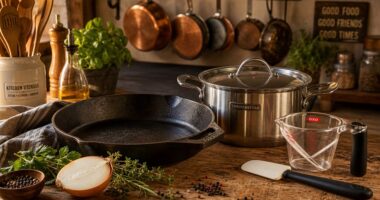
A seasoned 10-inch cast-iron skillet functions as one of the most versatile pans in a kitchen. Its thick walls retain heat evenly, which supports both stovetop searing and high-temperature oven tasks without degradation.
An 8-inch carbon-steel chef’s knife covers the majority of cutting and prep work a home cook encounters. Carbon steel accepts and holds an edge more readily than softer blade materials, making long-term maintenance straightforward.
A heavy-gauge stainless sheet pan, a reliable silicone spatula, and a sturdy cutting board round out a foundational kit. These tools cover most cooking tasks without redundancy, which keeps storage requirements low and reduces the incentive to buy cheap replacements.
Cast iron is the clearest illustration of the principle: pieces made decades ago are still in everyday use, because the material has no coating to wear through and the cooking surface can be rebuilt indefinitely. How long any individual pan lasts depends on how it is kept rather than on a figure anyone can quote.
Cheap or expensive is the wrong question. Cost per use is the honest one. Check out our new Calculator.
Cost-Per-Use Calculator →Key Points
- Identify core cooking tasks and match each to a single durable multitasker (e.g., cast‑iron skillet for sautéing, searing, baking).
- Prioritize high‑quality, long‑lasting materials (cast iron, high‑carbon steel, heavy‑gauge aluminum) over cheap, short‑lived alternatives.
- Purchase a small, versatile set (knife, skillet, Dutch oven, sheet pan) and spread buys over time to test usefulness before expanding.
- Use proper maintenance, seasoning cast iron, honing knives, and oiling wooden boards, to extend lifespan and avoid premature replacements.
- Avoid single‑use gadgets that duplicate the functions of your core tools; stick to a “buy‑once” mindset and a clear inventory.
| OXO Good Grips Small Silicone Flexible Turner Black |  | Flexible Turner | Primary Function: Turning and transferring | Material (Key Component): Silicone head, stainless steel | Grip Type: Soft non-slip handle | VIEW LATEST PRICE | Read Our Analysis |
| OXO Good Grips 11″ Stainless Steel Kitchen Whisk |  | Whipping Pro | Primary Function: Whisking | Material (Key Component): Stainless steel wires | Grip Type: Soft non-slip grip | VIEW LATEST PRICE | Read Our Analysis |
| OXO Good Grips Swivel Vegetable Peeler – Black |  | Effortless Peeler | Primary Function: Peeling | Material (Key Component): Stainless steel blades | Grip Type: Soft oversized handle | VIEW LATEST PRICE | Read Our Analysis |
Links to Amazon are affiliate links. Buying through one costs you nothing extra and helps fund the research.
What a Starter Kitchen Kit Looks Like Done Right
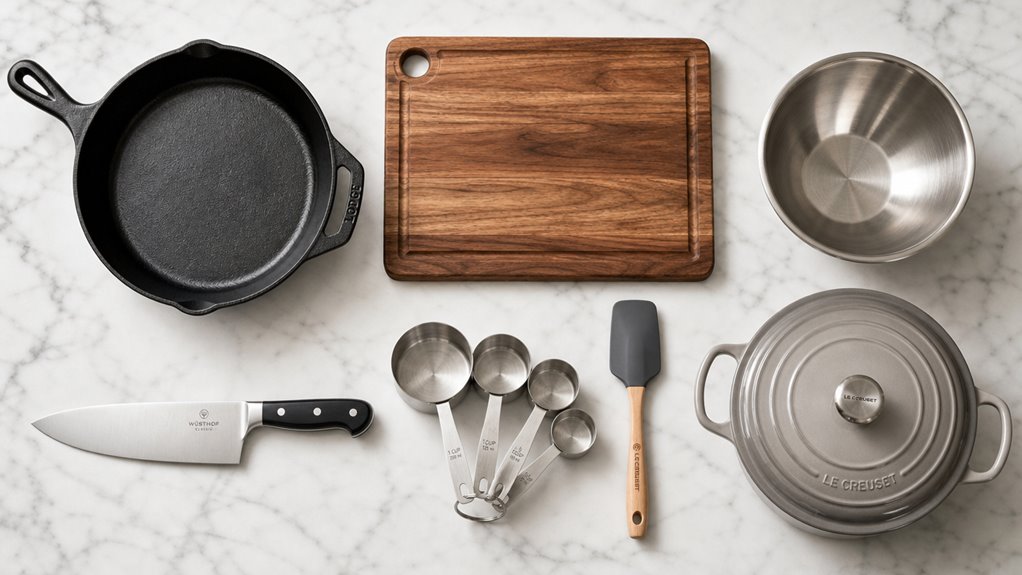
A starter kitchen kit done right centers on a small number of durable, multitasking tools rather than a large set of low-quality pieces that wear out quickly.
A cast-iron skillet, a sturdy chef’s knife, and a versatile baking tray cover most cooking tasks and hold up through heavy use.
Each item typically costs under $30, which keeps the total investment low and avoids the replacement cycle that cheap sets create over time.
Choosing durable materials from the start requires learning a few extra techniques to get full use out of each piece, but that effort reduces ongoing costs and unnecessary shopping trips.
The details behind selecting, using, and maintaining these tools go further than the basics suggest.
A see-through lid on a saucepan lets you monitor simmering soups without lifting the lid.
A Few Durable Pieces Instead of a Big Cheap Set
Because a big cheap set locks you into thin, non‑stick coatings that wear out in a year or two, the smarter move is to pick a handful of truly durable pieces that can do the work of many.
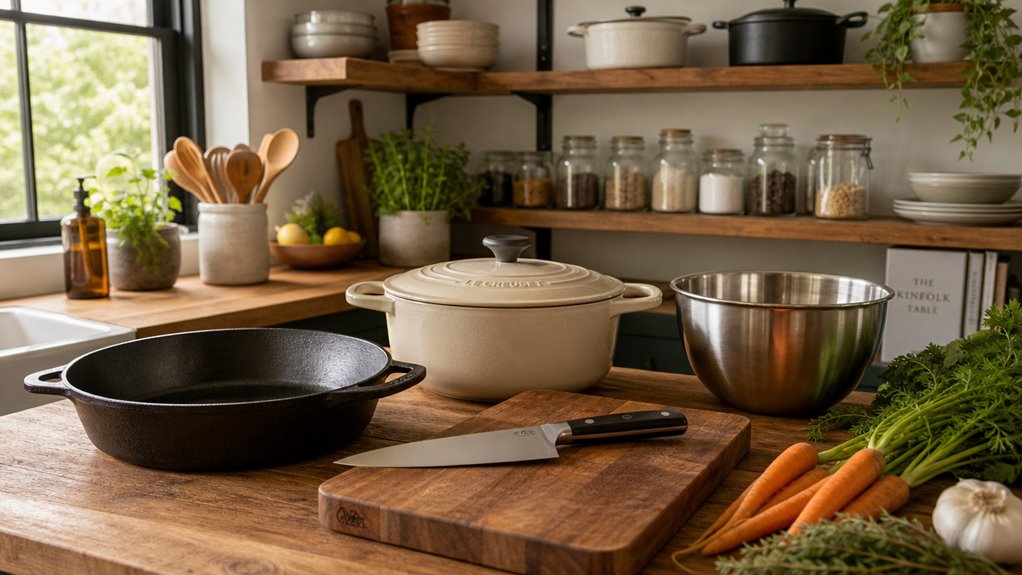
You can buy it for life by choosing a 10‑inch stainless skillet, a 2‑qt carbon‑steel saucepan, and a 5‑qt cast‑iron Dutch oven. These three cover sauté, simmer and braise, and their oven‑safe handles let you bake without extra dishes.
Add a solid 8‑inch chef’s knife, a small paring knife and a sturdy cutting board.
A versatile spatula, a pair of tongs, a box grater and a fine‑mesh sieve round out a kitchen starter kit that stays useful for years, not months.
Why One Durable Buy Costs Less Than Replacing a Cheap One Twice
When you compare a $20 non‑stick pan that needs a replacement after 18 months with a $45 stainless‑steel skillet that will last a decade, the math is simple: one upfront purchase beats two cheap swaps.
A durable skillet resists warping, holds heat, and tolerates metal utensils, so you never chase a new coating. A cheap pan’s non‑stick layer flakes, forcing you to buy a replacement or a different pan after a year, which adds up quickly.
Many community members find that local thrift stores like Goodwill often have quality kitchen sets at a fraction of the retail price.
Type in what a kitchen tool cost you, how often you use it, and how long you expect it to last. The math answers whether the price was worth it.
The tool you are weighing
Enter a price to run the numbers.
Lifespans above 50 years are capped at 50 for this calculation.
The cheaper version
Enter a price to run the numbers.
Lifespans above 50 years are capped at 50 for this calculation.
Your result appears here after you press Calculate.
| OXO Good Grips Manual Can and Bottle Opener |  | Senior-Friendly | Primary Function: Can and bottle opening | Material (Key Component): Stainless steel cutting wheel | Grip Type: Oversized cushioned handle | VIEW LATEST PRICE | Read Our Analysis |
| OXO Good Grips 6.2qt Salad Spinner with One-Touch Pump |  | Salad Savior | Primary Function: Spinning and draining | Material (Key Component): Plastic body, stainless steel basket | Grip Type: Non-skid base, easy-press pump | VIEW LATEST PRICE | Read Our Analysis |
| OXO Good Grips Corn Prep Peeler |  | Corn-Kernel Expert | Primary Function: Corn kernel removal | Material (Key Component): Japanese stainless steel blade | Grip Type: Non-slip ergonomic handle | VIEW LATEST PRICE | Read Our Analysis |
Links to Amazon are affiliate links. Buying through one costs you nothing extra and helps fund the research.
Why Beginners End Up Buying Twice
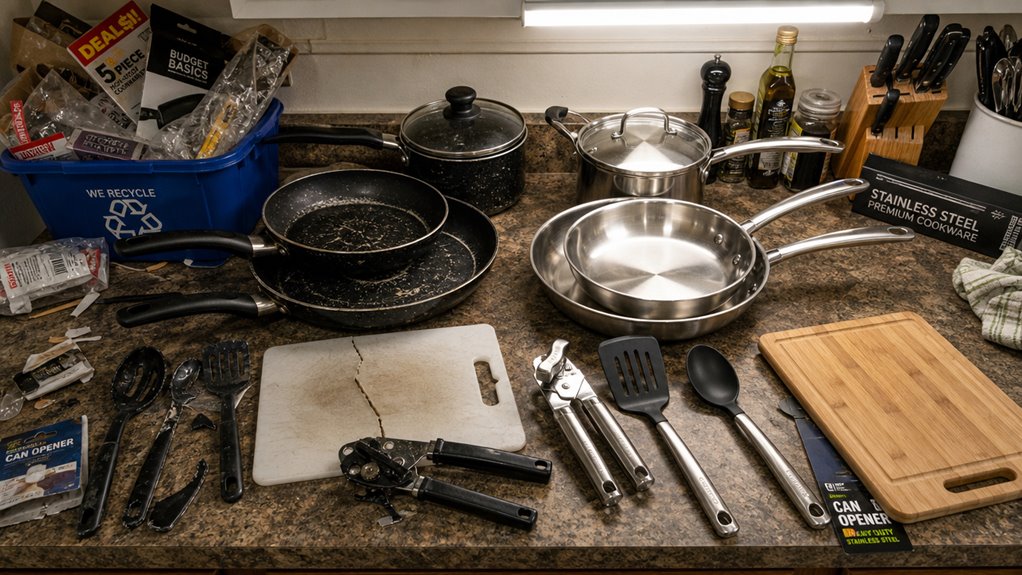
Beginners often buy twice because budget cookware sets tend to use thin-gauge materials and lightweight construction that wear down faster than daily cooking demands, which turns an initially low purchase price into a higher total cost over time. Flimsy lids and poorly balanced handles are early warning signs that a piece wasn’t built for consistent use, and once those shortcomings appear, replacement becomes unavoidable. Choosing a smaller number of durable, versatile pieces upfront, even at a mid-range price, typically costs less overall than cycling through budget replacements. The gap between a starter set and cookware that holds up isn’t only about price tier but also about how materials and construction interact with regular heat and handling. Understanding what drives that difference makes it easier to avoid the cycle entirely. Selecting a high‑quality cutting board such as a teak edge‑grain board can prevent damage to knives and reduce the need for frequent replacements.
The Cheap-First, Replace-Later Pattern
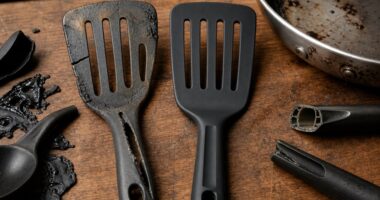
If you start with the cheapest set you can find, the low price feels like a win, until the pans warp, the non‑stick coating flakes, and the knives dull after a few months. That cheap‑first, replace‑later pattern feeds on loss aversion and present bias: you chase the upfront discount, ignoring that thin‑gauge aluminum and low‑carbon stamped steel will fail in a year or two.
Choice overload pushes you to generic bundles, and anchoring on sale tags makes the cheap option look smarter than it is. The real cost adds up: replacement fees, wasted food, and time lost on uneven cooking.
Switching to a buy‑once kitchen essentials mindset, selecting a few durable multitaskers like a cast‑iron skillet or a Victorinox knife, eliminates the cheap vs durable kitchen tools dilemma and saves money over the long run.
How to Break It Before the First Purchase
Most beginners end up buying twice because they jump straight into the gadget aisle without first mapping out what they actually cook day‑to‑day. You’ll see the pattern: a cheap, flashy set first, then a replacement of sturdier pieces later. To break it, start with a realistic meal plan, list the core tasks, chopping, sautéing, and simmering, and match each to a single, durable tool. Skip the single‑use gadgets that duplicate a chef’s knife or a cast‑iron skillet. Keep a small inventory visible, and label each spot so you never wonder if a tool is missing. This habit shows you how to avoid buying twice and builds the first kitchen kit that lasts.
| Category | What to Keep |
|---|---|
| Core tool | Cast‑iron skillet (seasoned, 12‑inch) |
| Multi‑tasker | Chef’s knife (8-inch, stainless steel) |
| Versatile gadget | OXO silicone spatula (heat‑resistant) |
How a Starter Kitchen Kit Avoids Buying Twice
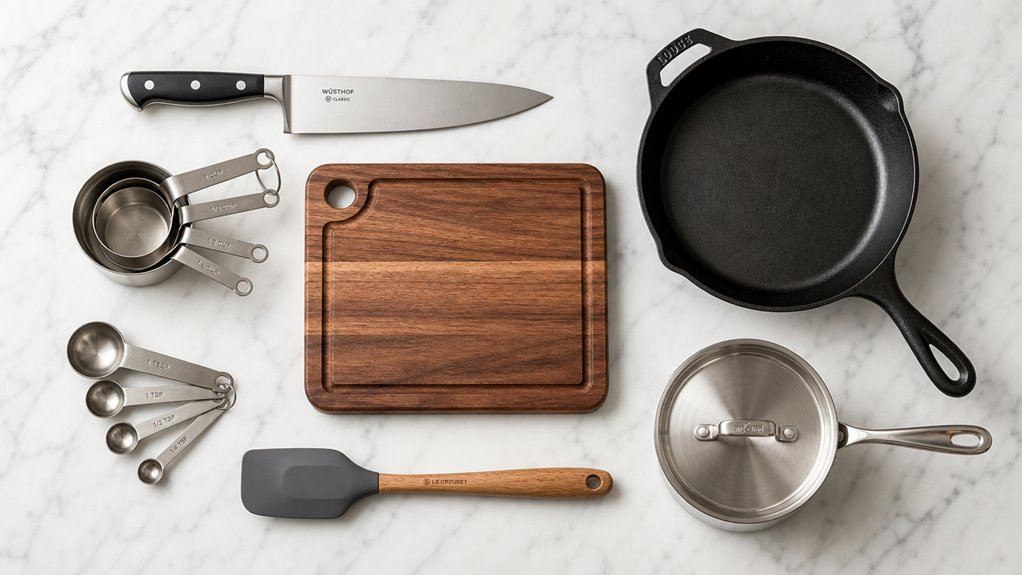
A starter kitchen kit avoids buying twice when it centers on durable, multitasking tools, such as a cast-iron skillet, a solid chef’s knife, and a versatile spatula, that handle the majority of cooking tasks without leaving gaps that cheap, single-use gadgets later fill.
Most of the redundant purchases in a first kitchen come from starter sets that bundle break-prone tools at a low upfront cost, only to require replacement within a year or two.
Keeping each piece in the budget-friendly to mid-range tier, typically under around thirty dollars per item, makes durability accessible without overspending at the outset.
When the core kit is built around longevity and flexibility, any specialty add-on becomes a deliberate choice rather than a correction.
The sections that follow examine how each of these decisions plays out in practice.
Choosing Buy-It-For-Life Pieces From the Start
Start with the pieces that see the most wear, cookware, knives, and heat‑safe tools, because they dictate how often you’ll end up buying again.
Choose durable kitchen tools for beginners that promise lifetime value, like a fully clad stainless‑steel skillet with an aluminum core and a 8‑inch full‑tang chef’s knife. The skillet spreads heat evenly, resists warping, and can be re‑seasoned when the surface wears. The knife holds its edge for decades and can be sharpened at a local shop; its only drawback is a higher upfront price. Pair them with a heat‑resistant silicone spatula and a dense end‑grain cutting board. Those four items cover most cooking tasks, eliminate the need for cheap replacements, and keep your budget under the $30 ceiling per piece.
Why a Small BIFL Kit Beats a Big Cheap Starter Set Long Term
Durability matters more than the number of items on your shelf. A small starter kitchen kit of durable tools outlasts a big cheap set because each piece handles multiple tasks and needs fewer replacements. You’ll spend less over a decade, keep a cleaner counter, and avoid decision fatigue when every pan has a clear purpose.
- Cast‑iron skillet – sears, bakes, and can be re‑seasoned; heavy but requires regular seasoning.
- Carbon‑steel chef’s knife – holds a sharp edge for years; needs occasional honing.
- Heavy‑gauge stainless sheet pan – spreads heat evenly, resists warping; limited to flat‑bottom cooking.
Investing in these three multitaskers saves money, space, and hassle compared to buying a bulky, low‑quality set that you’ll replace soon.
The Pieces Worth Buying Right the First Time
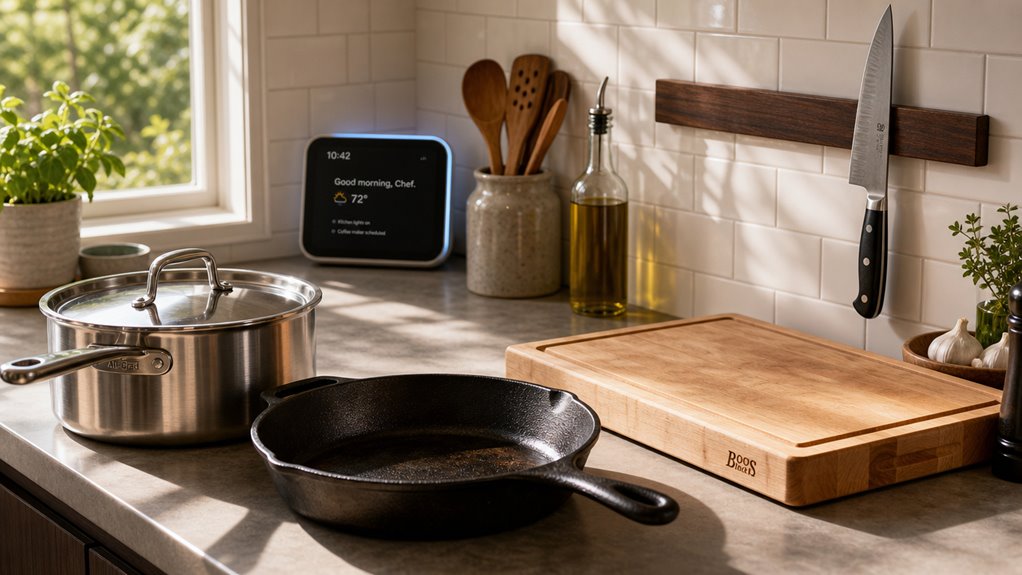
Pieces worth buying right the first time are kitchen tools built from materials that maintain their function through years of heavy use, such as high-carbon steel for blades that hold an edge, and cast iron for cookware that distributes heat evenly and can be restored when the surface degrades.
Cheap alternatives often bend, rust, or lose their edge after limited use, making the initial savings less meaningful over time.
A high-carbon steel knife requires regular honing to stay sharp and can chip if used to pry against bone, so the material rewards careful technique.
Cast iron is heavy and needs periodic re-seasoning to preserve its non-stick surface, but those maintenance steps extend its functional life well beyond budget alternatives.
What follows covers the specific factors that determine whether a piece earns its place in a kitchen long-term.
Knife, Skillet, and the Tools That Last Decades
Grab a solid chef’s knife and a cast‑iron skillet early, and you’ll skip the whole “buy cheap, replace later” cycle.
A full‑tang chef’s knife gives you balance, edge retention, and a handle that won’t warp, while a seasoned cast iron skillet distributes heat evenly and lasts decades if you maintain its seasoning.
Together they cover most chopping, sautéing, and searing tasks, so you avoid buying a drawer full of single‑purpose tools that wear out quickly.
- Chef’s knife – 8-inch, stainless steel. A forged full-tang blade is heavier and stiffer; a well-made stamped blade is lighter and is the reason a good knife can sit under $30. Both hold an edge if you look after them, so pick on feel in the hand rather than on the word “forged”.
- Cast iron skillet – 10‑inch, pre‑seasoned; needs regular oiling to prevent rust, yet can be re‑seasoned indefinitely.
- Utility knife – 5‑inch, synthetic handle; limited to small prep, but complements the larger knife without adding bulk.
Where a Cheap Version Fails and a Durable One Endures
When you start swapping a cheap non‑stick sheet pan for a heavy‑gauge aluminum half‑sheet, the difference shows up the first time you crank the oven past 450 °F. The flimsy pan warps, hot spots appear, and the coating flakes. The heavy‑gauge pan stays flat, distributes heat evenly, and the rim holds up to roasting or broiling. You’ll notice the same pattern with boards and bowls: thin laminated bamboo splits along its glue lines and cheap plastic stains and scores, while dense hardwood or stainless endures and can be resurfaced. Any board of any material needs replacing once it develops deep knife scoring or splits that cannot be cleaned out. Those durable pieces fit a bifl beginner kitchen because they’re repairable and avoid the replace‑later trap.
| Item | Cheap version | Durable version |
|---|---|---|
| Sheet pan | 12‑gauge non‑stick, warps at 450 °F | 18‑gauge aluminum, stays flat |
| Cutting board | Thin bamboo, splits at the glue lines | Maple, resists split, easy to oil |
| Mixing bowl | Thin plastic, stains, deforms | Stainless steel, non‑porous, dishwasher safe |
| Knife | Low‑carbon steel, dulls quickly | High‑carbon steel, can be re‑sharpened |
How to Build a Buy-Once Kit on a Budget
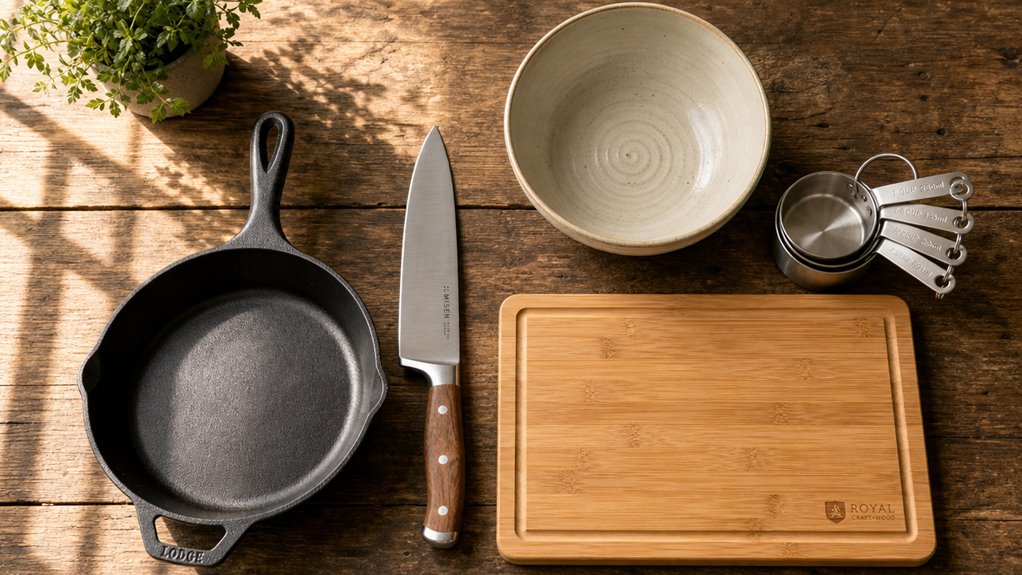
Building a buy-once kit on a budget means selecting a small number of durable, multitasking tools, such as a cast-iron skillet, a reliable chef’s knife, and a silicone spatula, that collectively stay within an affordable price range without sacrificing longevity.
Spreading purchases across several months keeps any single transaction manageable while still moving toward a complete set.
Prioritizing versatility matters here because tools that handle multiple cooking tasks replace clusters of cheaper, single-use gadgets, which reduces both clutter and long-term spending.
Cast iron, for example, transitions from stovetop to oven, while a quality chef’s knife handles tasks that would otherwise require several specialty blades.
The details ahead cover how to evaluate each category and make purchases that hold up over time.
Spacing Durable Purchases Over Time
Often the most effective way to avoid the replace‑later trap is to buy a few core pieces and let them prove themselves before you add anything else. Space your durable purchases so each item earns its keep. Start with the best starter kitchen kit’s essentials. High‑frequency tools cover most tasks. Then wait a month or two, use them, and see if they truly fit your routine. This pacing breaks the replacement cycle, keeps your budget steady, and prevents duplicate gadgets from crowding drawers.
- Cast‑iron skillet – versatile, retains heat; heavy, needs seasoning.
- Chef’s knife (high‑carbon steel) – handles chopping, slicing; requires regular sharpening.
- Multi‑purpose silicone spatula – safe on non‑stick, flexible; limited for high‑heat searing.
Matching a Buy-It-For-Life Starter Kit to the Under-$30 Ceiling
Below the $30 ceiling, the trick isn’t to chase every “must‑have” gadget but to pick a handful of multitaskers that survive daily wear.
Start with a Lodge cast iron skillet; its pre‑seasoned surface lets you sear, bake, and roast, and a single‑piece design means no weak joints. Expect a heavier pan that needs regular seasoning, but it outlasts cheap non‑stick alternatives.
Add a Victorinox Fibrox chef’s knife. It is a stamped stainless blade with a textured polymer handle rather than a forged full-tang knife, and that construction is exactly why it lands under $30 and stays light in the hand. It takes and holds a working edge well. The only real downside is that it needs sharpening periodically, like any knife.
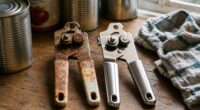
Complement these with a microplane grater for zesting and a manual can opener for reliable opening. Together they cover prep, cooking, and finishing without breaking the budget.
Frequently Asked Questions
How Many Pieces Should a BIFL Starter Kit Contain?
You should aim for eight to twelve pieces, enough to cover core tasks with multitaskers, yet small enough to stay durable, repairable, and under your budget without falling into the cheap‑set trap.
Can I Replace a Broken Handle Without Buying a New Tool?
You’ll find that swapping a busted handle is often cheaper than buying a new tool; just match the head’s eye, shape a fresh wooden grip, wedge it in, and you’re good.
Do All Durable Multitaskers Fit Within a $30 Budget?
You’ll find many durable multitaskers under $30, but high‑stress items like cast‑iron pans or premium knives usually exceed that limit, so you’ll mix budget‑friendly tools with a few pricier, long‑lasting pieces.
What Material Is Best for a Long‑Lasting Skillet?
Cast iron wins for a long‑lasting skillet: it endures decades, builds natural nonstick with seasoning, retains heat superbly, and resists wear. Carbon steel’s lighter but still durable; stainless steel offers low‑maintenance but less natural nonstick.
How Often Should I Re‑Season My Cast‑Iron Cookware?
Re‑season a cast‑iron skillet once or twice a year, or whenever eggs stick, the surface dulls, or rust appears; heavy use or acids may demand more frequent touch‑ups.
Conclusion
You’ve got a kitchen that can handle most meals without hunting for replacements, and you’ve saved a solid chunk of cash. A cast‑iron skillet will keep seasoning for decades, and a Victorinox knife stays sharp with a simple honing rod. The only real downside is the skillet’s weight, which can be a workout for some. Still, this kit lets you cook confidently, without the endless “buy‑again” cycle.
| OXO Good Grips Dish Scrub Brush with Non-Slip Handle Nylon Bristles | 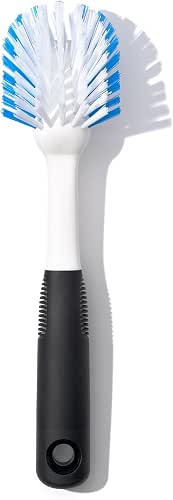 | Scrub Master | Primary Function: Scrubbing and scraping | Material (Key Component): Nylon bristles | Grip Type: Soft non-slip handle | VIEW LATEST PRICE | Read Our Analysis |
| OXO Good Grips Deep Clean Brush Set |  | Deep-Clean Duo | Primary Function: Deep cleaning | Material (Key Component): Nylon bristles | Grip Type: Soft non-slip grips | VIEW LATEST PRICE | Read Our Analysis |
| OXO Good Grips Expandable Long Tool Organizer |  | Drawer Organizer | Primary Function: Drawer organization | Material (Key Component): Plastic with non-slip feet | Grip Type: Soft, non-slip handle | VIEW LATEST PRICE | Read Our Analysis |
Links to Amazon are affiliate links. Buying through one costs you nothing extra and helps fund the research.

Michael Haralson worked in professional kitchens from 1979 to 1992: San Diego restaurants, six years with a catering company beside an Austrian chef, and two summers as a cook on the Finland to Sweden cruise route. He then built a fifteen-year career at Nokia. It began in product marketing and product management, where technical specifications and supplier evaluation were part of the work, and grew from a few countries to a region to global roles, then into sales and corporate strategy. That took him to Beijing for three years, where he spent many weekends in a different province trying the local food and took cooking classes. He has eaten in more than 40 countries and has been shown the kitchens of restaurants in Southern Europe. At home in Finland he cooks Cantonese, Sichuan and Mediterranean food, and still uses the cast iron skillet he bought in 1992. He is the author of Buy It Once, Book One of The Researched Kitchen, and writes here about the balance between kitchen tools that cost too much and those that fail too soon.