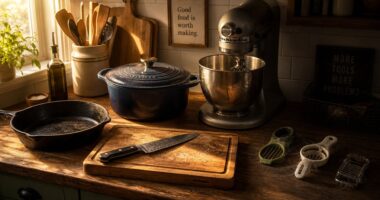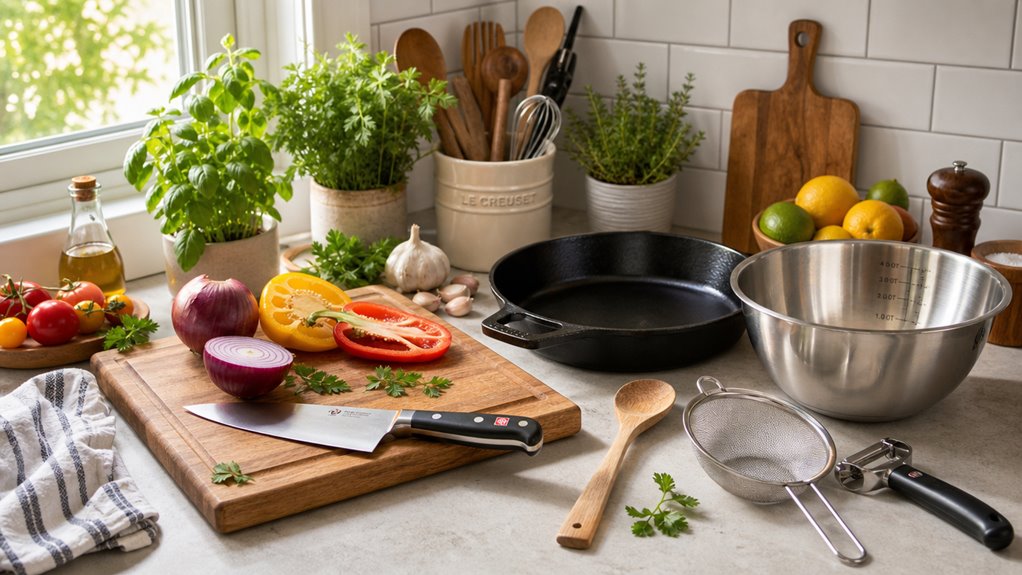
Kitchen essentials refers to the core set of multitasking tools a home cook requires to prepare most everyday meals. A focused collection of roughly a dozen items covers the majority of cooking tasks without filling drawers with single-purpose gadgets.
- Chef’s knife handles chopping, slicing, and mincing across nearly every recipe that involves fresh ingredients.
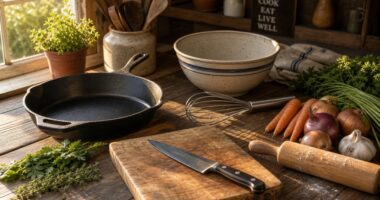
- Cast-iron skillet retains and distributes heat evenly, making it suitable for searing, frying, and oven finishing.
- Fine-mesh strainer separates solids from liquids with precision, replacing several more specialized draining and sifting tools.
A practical kitchen toolkit typically includes a cutting board, a medium lidded saucepan, and a small pot alongside the skillet and knife. Each piece handles multiple cooking methods, which reduces the total number of items a cook needs to store and maintain.
Supporting tools such as a silicone spatula, locking tongs, a slotted spoon, and a ladle cover most stirring, flipping, and serving tasks. A box grater and a digital scale round out the set by handling prep work that would otherwise require additional equipment.
Storage is a practical consideration worth weighing. The cast-iron skillet performs reliably across cooking surfaces, though its weight can create challenges in cabinets with limited space. Most items in a core toolkit fall within a budget to mid-range price tier, typically under $30 per piece.
The “roughly a dozen” figure used throughout this article is a working rule of thumb drawn from what the tools themselves can cover, not a survey finding. Your own number depends on what you cook. The useful exercise is the one below: count the jobs, not the objects.
Cheap or expensive is the wrong question. Cost per use is the honest one. Check out our new Calculator.
Cost-Per-Use Calculator →Key Points
- Focus on multitask tools that cover core cooking tasks, aiming for about a dozen versatile items.
- Prioritize a sharp chef’s knife, sturdy cutting board, and a cast‑iron skillet or sauté pan as foundational pieces.
- Add a medium lidded saucepan, a small pot, and a mixing bowl to handle boiling, simmering, and prep.
- Include essential utensils: silicone spatula, slotted spoon, locking tongs, ladle, and a fine-mesh strainer. Together they cover most prep and cooking actions.
- Keep each core item under $30 and replace single‑purpose gadgets with these multitaskers to minimize clutter while maintaining full functionality.
| 5-in-1 Stainless Steel Cooking Spoon Tool |  | Stainless-Steel Versatile | Function Count: 5-in-1 | Primary Material: 304 stainless steel | Ergonomic Handle: Yes (non-slip ergonomic handle) | VIEW LATEST PRICE | Read Our Analysis |
| Joseph Joseph Uni-tool 5-in-1 Silicone Kitchen Utensil – Grey |  | Space-Saving Multi-Tool | Function Count: 5-in-1 | Primary Material: Nylon and silicone | Ergonomic Handle: Yes (silicone grip) | VIEW LATEST PRICE | Read Our Analysis |
| Jar Opener for Arthritis Hands – 5-in-1 Multi-Function | 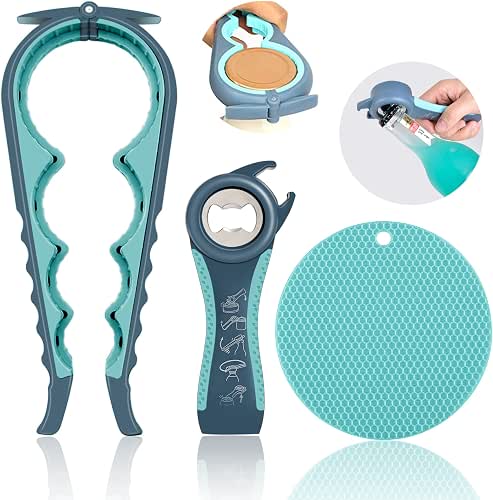 | Arthritis-Friendly Opener | Function Count: 5-in-1 (plus 4-in-1 jar opener) | Primary Material: Plastic (ergonomic handles) and silicone pad | Ergonomic Handle: Yes (long, non-slip handles) | VIEW LATEST PRICE | Read Our Analysis |
Links to Amazon are affiliate links. Buying through one costs you nothing extra and helps fund the research.
What a Minimalist Kitchen Actually Requires
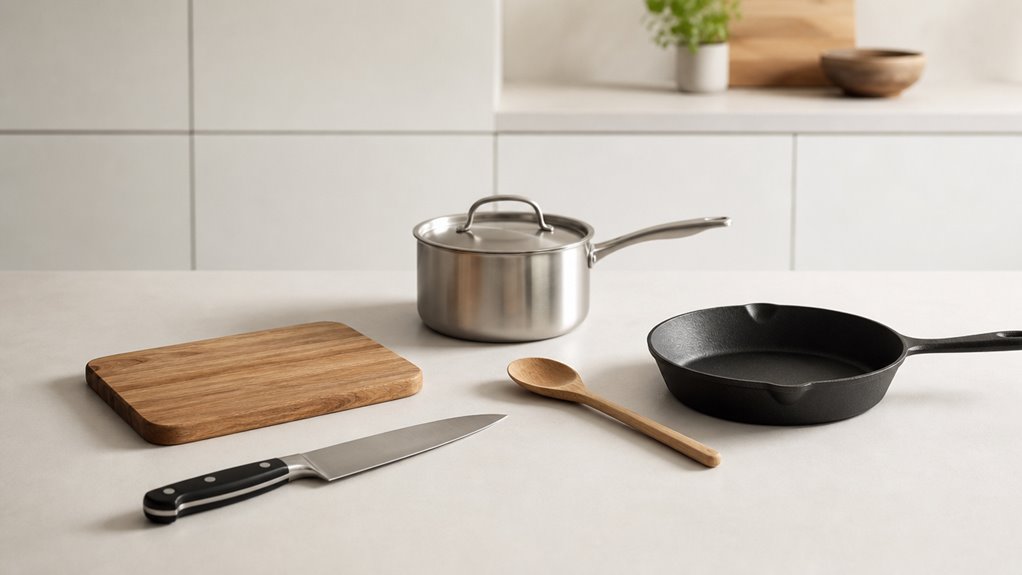
A minimalist kitchen works because it centers on tasks rather than tools. A small set of multifunctional items covers the core cooking actions of cutting, frying, and boiling without redundancy: a chef’s knife, a versatile pan, and a few prep tools.
Most kitchen inventories run long because they account for every gadget available rather than the meals a household actually prepares on a regular basis. Designing around task coverage instead of equipment volume keeps the total count low while closing practical gaps.
The relationship between cooking technique and tool selection is what determines whether a stripped-down setup holds up across everyday use. The details behind making that balance work reward a closer look. Adding a quality chef’s knife ensures precise cuts and durability, reducing the need for multiple specialized knives.
Why the Right Number Is Smaller Than the Internet Suggests
Because most home cooks repeat a handful of recipes, the tools they actually need are far fewer than the fifty-item lists that circulate online. In a minimalist kitchen you focus on task coverage, not piece count. One sharp chef’s knife handles chopping, slicing, and mincing, while a single sauté pan covers stir‑fry, searing, and shallow boiling.
A medium pot and a Dutch oven let you simmer soups, boil pasta, and braise meats. A few sturdy utensils replace a drawer full of single-purpose tools: a spatula, a ladle, and a whisk. By counting the jobs you do each day, you see the “right number” shrinks to a dozen multitaskers. This lean setup reduces visual clutter, frees prep space, and cuts cleanup time, letting you cook efficiently without the excess that most internet lists inflate. One‑in, one‑out rule helps maintain that minimalism over time.
The Multitasker-First Logic Behind a Lean Kit
The right‑size rule swaps a long list of single‑purpose gadgets for a handful of multitaskers that actually cover the jobs you do most. The pieces worth keeping are the ones that do more than one job and get reached for weekly. A chef’s knife handles chopping, slicing, and mincing; a cast‑iron skillet moves from stovetop to oven; a silicone spatula folds, flips, and scrapes; a medium pot boils, simmers, and stews; and a mixing bowl doubles as prep and storage. Each multitasker replaces three or four single‑purpose items, cutting clutter while preserving function. Quality over quantity ensures that each piece is built to last and used daily.
| Multitasker | Core Jobs |
|---|---|
| Chef’s knife | Chop, slice, mince |
| Cast‑iron skillet | Fry, sauté, bake |
| Silicone spatula | Stir, flip, scrape |
| Medium pot | Boil, simmer, stew |
| Mixing bowl | Prep, serve, store |
The Core Tools That Cover Almost Every Meal
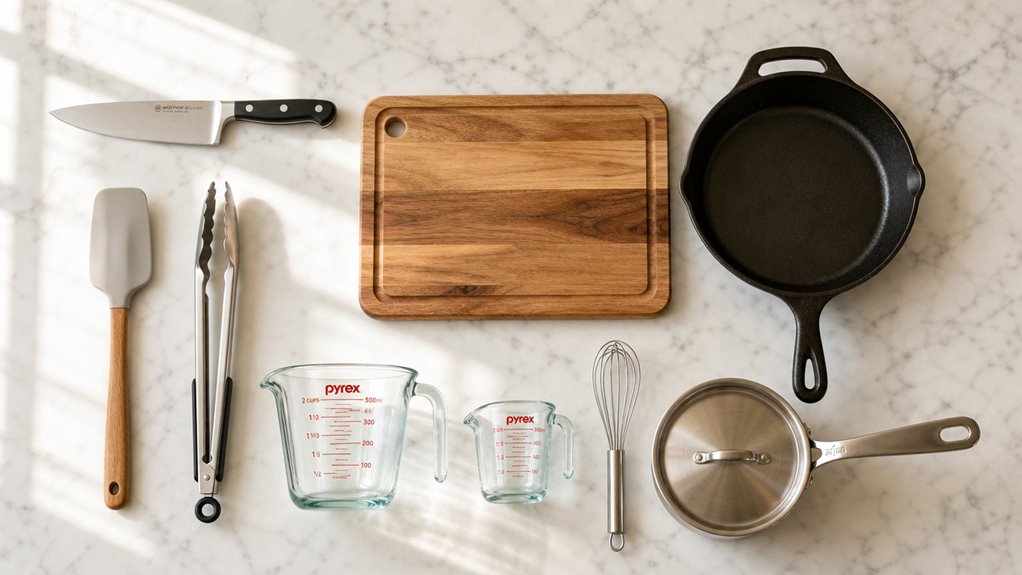
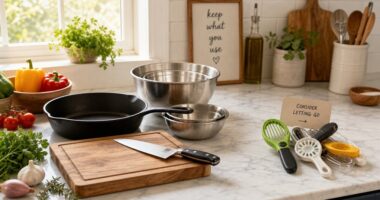
A sharp chef’s knife, a sturdy cutting board, and a 10-inch skillet cover the core demands of everyday cooking without requiring a large, unwieldy set. That trio handles chopping vegetables, searing proteins, and moving pans from stovetop to oven.
Keeping the kit small reduces both storage pressure and maintenance effort, since fewer tools means fewer surfaces to clean, sharpen, and store properly.
The searing and sautéing that a skillet handles well depend on consistent heat retention, which is why material and construction matter as much as size when choosing that one central pan.
A paring knife or a saucepan fills occasional gaps, but the three‑piece core manages the majority of meal preparation across most cooking styles.
The decisions behind building this kind of focused kit reward closer attention. Start small and observe what tools are loved or easier to use before expanding the collection.
Knife, Board, One Pan, and the Daily Handful
You can trim the clutter by focusing on tools that actually get the job done, not the ones that just look good on a shelf.
A good chef’s knife handles most chopping, slicing, and mincing, so you skip a whole block of specialty blades.
Pair it with a sturdy cutting board that stays put and protects the edge; wood or high‑quality plastic works best, though it can be heavy to store.
One 10‑inch skillet covers sauté, pan‑roast, and shallow fry, while a 3‑quart saucepan with lid takes care of boiling, braising, and soups.
Add a heat-resistant spatula, tongs, a solid spoon, and a set of measuring cups; these four additions let you finish virtually any daily recipe without extra gadgets.
Why a Small Core Kit Cooks More Than a Twenty-Piece Gadget Set
A lean core kit actually does more cooking than a twenty‑piece gadget set because each piece is chosen for the tasks it can cover, not for the number of times it appears on a checklist.
You’ll find a chef’s knife, a medium lidded saucepan, a half‑sheet pan, and a cast‑iron skillet handle most chopping, searing, boiling, and roasting. Add a sturdy silicone spatula, a slotted spoon, and locking tongs, and you replace dozens of single‑purpose tools.
A fine‑mesh strainer and a box grater give you shredding and rinsing without extra gadgets. The digital scale and instant‑read thermometer close the loop on accuracy and safety.
Together these items provide broad task coverage, keeping your counter clear and your meals reliable.
How Many Tools a Minimalist Kitchen Really Needs
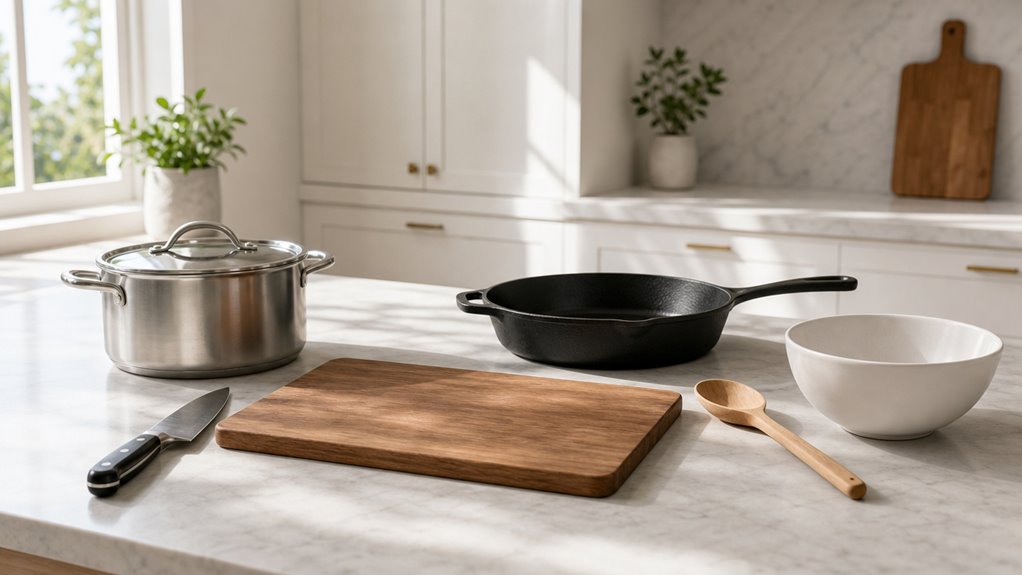
A minimalist kitchen typically needs around a dozen tools when the list is built around task coverage rather than piece count.
Counting by the tasks a tool handles, such as chopping, slicing, and mincing, reveals which items pull real weight and which duplicate work already covered.
A well-balanced chef’s knife with a blade that holds an edge replaces a full block of cheaper knives, because one blade handles the full range of cutting tasks.
Multitaskers earn a permanent spot on the counter while single-use pieces stay in the drawer until a clear gap appears.
The sections that follow break down exactly how that coverage logic applies across every tool category.
Counting by Task Coverage, Not by Piece Count
Because you’re measuring a kitchen by what it can actually do, the count of tools drops dramatically once you focus on tasks instead of individual pieces.
Counting by task coverage, you see that a single 8‑inch chef’s knife handles chopping, slicing, and even fine dicing, so you don’t need a whole block of knives. A versatile sauté pan doubles as a skillet and a roasting tray, covering frying, sautéing, and oven work. One medium pot takes care of boiling, simmering, and making sauces.
A cutting board, a box grater, a can opener, and a set of measuring cups complete the prep stage. Those five pieces give you a full range of cooking methods without excess.
Why One Good Chef’s Knife Replaces a Whole Block of Cheap Ones
Cut through the clutter with a single well-made chef’s knife, and a full block of cheap blades starts to look like storage rather than capability.
The reason is not that one brand outperforms another. It is that a block set spreads a fixed budget across eight or ten knives, so each one gets less steel, less heat treatment and less finishing than a single knife at the same total price. Buy one blade instead and the whole budget goes into the tool you actually reach for.
What to look for is a stainless blade you can sharpen at home, a comfortable non-slip handle that stays secure when wet, and a thin, even edge that slices onions and herbs without crushing them. Any knife meeting that description will replace a block. Victorinox’s Fibrox line is the example most often recommended in this price bracket, and it is a stamped blade with a textured polymer handle rather than a forged one, which is exactly how it lands under $30.
The trade with a knife of this type is the absence of a full bolster and the lighter feel of a stamped blade, both of which some cooks prefer and some do not.
The Add-Ons That Are Optional, Not Essential
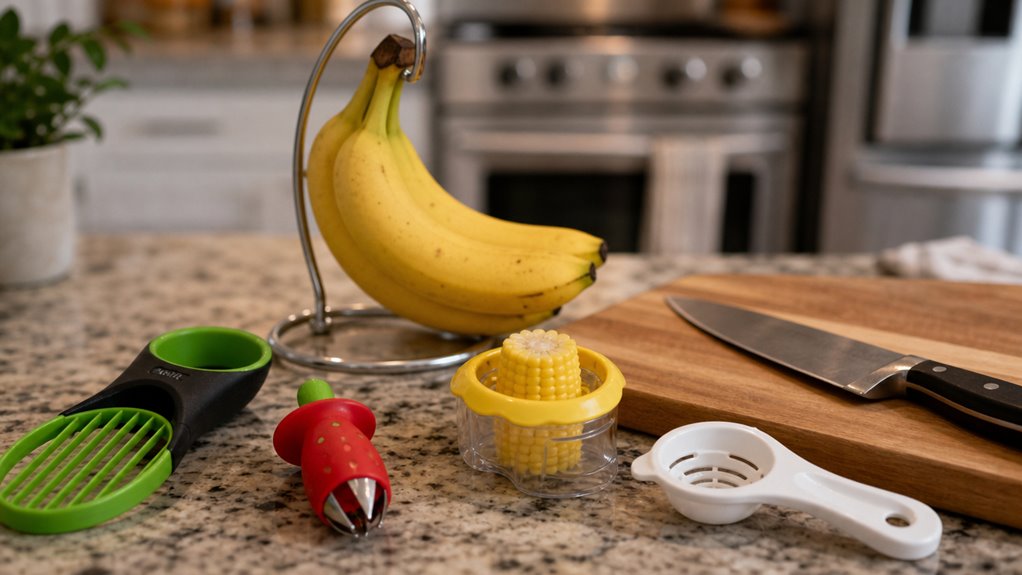
Optional add-ons are cookware pieces that serve narrow functions a standard kitchen setup already handles. A wok or a tagine becomes useful only when a cook regularly prepares the cuisines those vessels are designed for, since a sturdy skillet covers most stir-frying and braising without requiring a dedicated pan.
A second, larger pot earns its place when batch-cooking soups or roasting a whole turkey, but a mid-size Dutch oven handles daily boiling and simmering for most households.
Beyond a small number of specialty pieces, additional cookware tends to sit unused while the tools already in rotation go on doing the same work. Matching each vessel to an actual, recurring cooking task, rather than an occasional or aspirational one, determines whether a piece adds genuine utility or simply takes up storage space.
The sections ahead examine which factors help distinguish a worthwhile addition from an unnecessary one.
Specialty Pieces You Add Only If You Cook That Way
If you only bake a few weekends a month, a stand mixer will sit idle most of the time; it shines when you’re kneading dough for sourdough, whipping batter for a cake, or mixing a large batch of cookies without breaking a sweat.
For occasional bakers, specialty baking gear like piping bags, metal tips, and an offset spatula can be useful for frosting or meringue work, but they take up space and rarely see daily use.
When you need to churn hummus, pesto, or pastry dough, a food processor or high‑powered blender qualifies as a specialty prep appliance, yet a mandoline or spiralizer may feel redundant unless you slice potatoes or zucchini for every meal.
A burr grinder and gooseneck kettle serve coffee lovers who value grind precision and pour control, but an espresso machine and milk frother only make sense if you drink espresso daily.
Choose these add‑ons only when the cooking style you follow demands them; otherwise, they sit idle like the rest of the fifty‑item list.
Where a Second Pan or Pot Finally Earns Its Place
Specialty bakeware earns its keep only occasionally. A second pan or pot is a different case, because it changes how an ordinary weeknight runs.
You’ll notice the time saved when you can simmer a sauce while pasta cooks in an extra saucepan. A second frying pan lets you sear chicken and sauté veggies side‑by‑side, keeping textures crisp.
The real benefit shows up in batch cooking, where two pans cut the workflow in half. You also avoid flavor cross‑contact, which matters for allergies or dietary tweaks.
In a small kitchen, the added capacity feels like a mini‑expansion without the bulk.
- 2‑qt extra saucepan for sauces
- 8‑inch second frying pan for proteins
- 5‑qt stockpot for soups and pasta
- 1‑qt mini‑saucepan for reheating single servings
How to Right-Size Your Kitchen Without Going Without
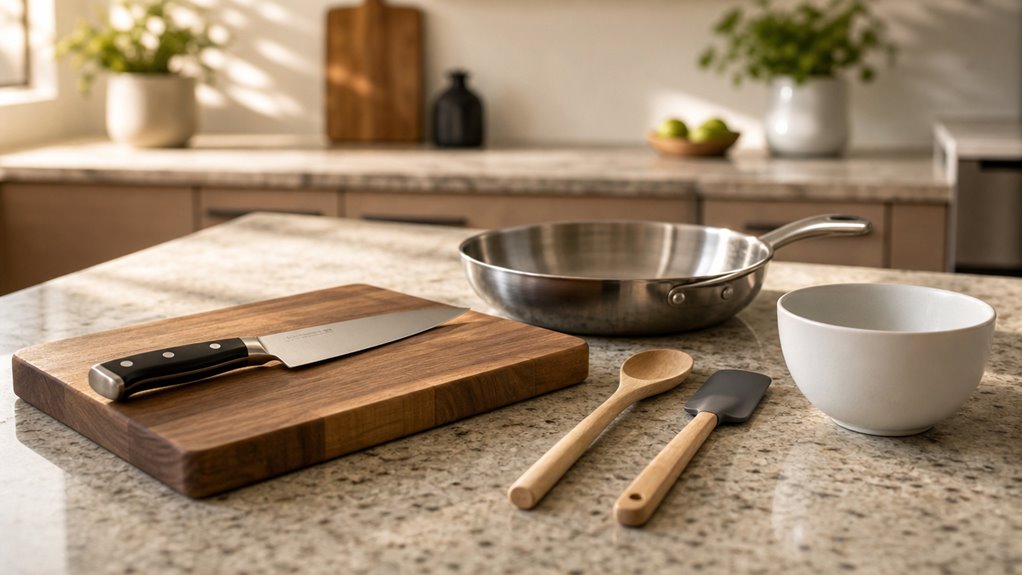
Right-sizing a kitchen means matching the tools you own to the meals you actually cook, so a small set of multitaskers handles chopping, sautéing, boiling, and basic baking without filling drawers with single-purpose gadgets.
Keeping each item within a budget-friendly price tier, generally under $30, makes this approach realistic for most households rather than aspirational.
The goal isn’t to cook with less but to avoid the clutter that builds when equipment multiplies faster than the recipes that use it.
A lean core kit reduces decision fatigue at the counter and makes storage simpler without sacrificing everyday cooking range.
The sections below go deeper into how to build that kit and where each piece earns its place.
Matching Tool Count to How You Actually Cook
When you map the tools you actually use to how often you cook, the numbers shrink dramatically compared to the typical fifty‑item checklist. If you whip up meals a few times a week, you’ll find that about a dozen multitaskers cover cutting, sautéing, boiling, and serving, with a handful of extras for frequent cooks.
Daily scratch cooks may edge toward thirty, adding a sturdy Dutch oven or a high‑speed blender, but even then the “tool count” stays far below the inflated lists you see online. Your kitchen’s size also matters; a studio works best held to the dozen-item core, while a larger space can hold a few extra pots without crowding counters.
- Chef’s knife and cutting board
- 8‑inch skillet and medium saucepan with shared lid
- Colander that doubles as a steamer insert
- Measuring cup set that nests inside a bowl rack
Matching a Lean Essentials Kit to the Under-$30 Ceiling
Trim your kitchen down to the essentials by focusing on tools that handle multiple tasks for under $30 each. A lean essentials list starts with an 8-inch chef’s knife that slices, dices, and minces; replace a block with this single blade and you’ll cut down on storage.
Pair it with a 10-inch cast-iron skillet that fries, sears, and bakes in one pan. Add a sturdy cutting board that doubles as a serving tray, a versatile silicone spatula that scrapes, flips, and scoops, and a microplane zester for zesting, grating, and shaving.
These five items cover cutting, heating, stirring, and finishing tasks, letting you build a minimalist kitchen without exceeding the $30 ceiling per tool.
Frequently Asked Questions
How Do I Choose a Knife That Lasts a Lifetime?
Pick a stainless blade you can maintain yourself, a comfortable full or partial tang, and a handle that stays secure when wet. Harder steels above about 56 HRC hold an edge longer but are harder to sharpen at home; softer steels in the mid-50s sharpen easily and need honing more often. Neither is wrong, and a stamped blade at the softer end is what makes a genuinely lifetime-capable knife possible under $30. Hand-wash it, use wood or plastic boards, and hone regularly.
Can a Single Pan Replace Both Sauté and Sauce Cookware?
Yes. One sturdy 3-ply sauté pan can cover both tasks: its wide surface sears while its tall walls hold a simmering sauce, saving space and clutter.
What Board Material Works Best for Both Chopping and Serving?
You’ll find hardwood end‑grain boards work best for chopping and serving. They’re knife‑friendly, naturally antimicrobial, and look elegant on the table, while holding up to heavy cuts without damaging blades.
Do I Need a Separate Utensil for Stirring and Serving?
You’ll rarely need two spoons. One silicone multitasker handles both stirring and serving, saving space and time, unless you’re battling cross-contamination or high-heat cooking where a heat-proof tool matters.
How Often Should I Replace Core Kitchen Tools?
You should replace knives when they’re chipped or can’t hold an edge, pans every 3‑5 years if the nonstick’s worn, and sponges every 1‑2 weeks; boards and utensils follow wear‑and‑tear cues.
Conclusion
You’ve seen how a solid chef’s knife, a versatile pan, a sturdy board, a reliable grater, and a few good utensils handle most meals. Adding a specialty item only makes sense when a real gap appears. A lean setup saves space, cuts waste, and puts the money you would have spent on the twelfth gadget into the pieces you use daily. Keep the core, try the extras, and your kitchen will stay functional without the clutter.
| 4-in-1 Can and Bottle Opener Set (2 Pack) |  | Dual-Pack Convenience | Function Count: 4-in-1 (2-pack) | Primary Material: Stainless steel and plastic handle | Ergonomic Handle: Yes (special ergonomic handle) | VIEW LATEST PRICE | Read Our Analysis |
| 2-in-1 Multifunctional Vegetable Peeler with Wooden Handle |  | Julienne-Peel Combo | Function Count: 3-in-1 | Primary Material: Stainless steel and wood | Ergonomic Handle: Yes (wooden ergonomic handle) | VIEW LATEST PRICE | Read Our Analysis |
| Stainless Steel 2-in-1 Vegetable Julienne Peeler | 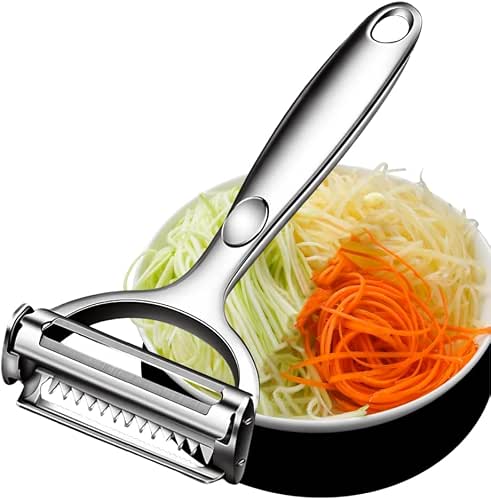 | Ambidextrous Julienne | Function Count: 2-in-1 | Primary Material: Stainless steel | Ergonomic Handle: Yes (non-slip comfortable handle) | VIEW LATEST PRICE | Read Our Analysis |
Links to Amazon are affiliate links. Buying through one costs you nothing extra and helps fund the research.

Michael Haralson worked in professional kitchens from 1979 to 1992: San Diego restaurants, six years with a catering company beside an Austrian chef, and two summers as a cook on the Finland to Sweden cruise route. He then built a fifteen-year career at Nokia. It began in product marketing and product management, where technical specifications and supplier evaluation were part of the work, and grew from a few countries to a region to global roles, then into sales and corporate strategy. That took him to Beijing for three years, where he spent many weekends in a different province trying the local food and took cooking classes. He has eaten in more than 40 countries and has been shown the kitchens of restaurants in Southern Europe. At home in Finland he cooks Cantonese, Sichuan and Mediterranean food, and still uses the cast iron skillet he bought in 1992. He is the author of Buy It Once, Book One of The Researched Kitchen, and writes here about the balance between kitchen tools that cost too much and those that fail too soon.