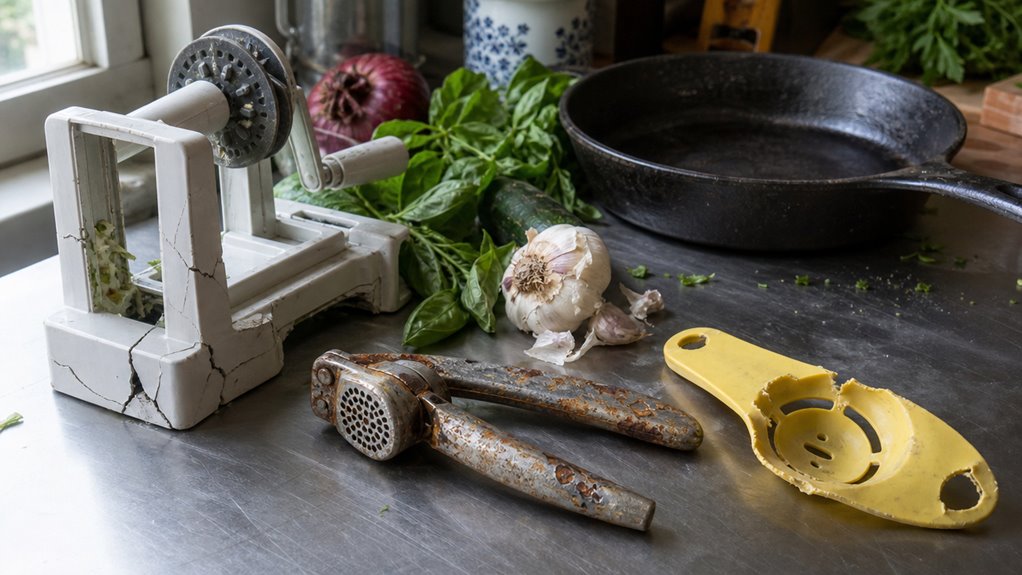

A viral kitchen gadget is a single-function tool designed around one novelty mechanism that generates short-term attention but rarely sustains daily use. Most rely on flashy execution over functional durability, which explains why so many disappear into drawers within months of purchase.
- Single-use mechanisms create a hard ceiling on utility, limiting the tool to one task and reducing its value the moment novelty fades.
- Thin glossy plastic warps or cracks after repeated washing, making it one of the most reliable indicators of short product lifespan.
- Hidden joints and food traps increase cleanup time, often adding more work than the gadget removes from the cooking process.
Viral gadgets frequently fail because they attempt to replace a core kitchen tool without offering a meaningful functional advantage. A standard knife or box grater handles the same tasks more reliably, requires no specialized mechanism, and tolerates heavy use across years rather than months.
Material labels signal durability before a purchase is made. Thin polystyrene and low-grade ABS plastic both degrade quickly under heat and water exposure. Gadgets made from these materials often carry no measurable advantage over basic alternatives already found in most kitchens.
The cleanup burden is a practical failure point that novelty obscures. Tools with multiple interlocking parts, narrow channels, or recessed joints trap food residue and resist standard washing. A gadget that adds cleanup steps undermines its own premise as a time-saving device.
The six-month drop-off is an observed pattern rather than a research finding. Novelty-driven kitchen tools tend to stop being reached for within a season or two of purchase, because a single function does not integrate into regular cooking habits.
Cheap or expensive is the wrong question. Cost per use is the honest one. Check out our new Calculator.
Cost-Per-Use Calculator →Key Points
- Viral gadgets prioritize visual wow‑factor over durability, using thin plastics and single‑trick designs that wear out quickly.
- Novelty-driven hype spikes sales for viral kitchen gadgets, but the core kitchen problem they address is rarely recurring, so most are abandoned within months rather than years.
- Lightweight, glossy shells and flimsy moving parts crack, warp, or lose coatings after repeated washing or heat exposure.
- Complex hidden joints and awkward shapes trap food, making cleaning tedious and accelerating user frustration and disposal.
- Durable, multitask alternatives (metal blades, all‑metal cookware) provide broader functionality and longer lifespan, exposing the short‑term cost‑inefficiency of trendy gadgets.
| OXO Good Grips Vegetable Chopper – Easy-Press Blade Container |  | Budget-Friendly Pick | Primary Function: Vegetable and herb chopping | Material (Blade/Key Component): Stainless steel blade | Hand-Operated Mechanism: Pump-handle rotation | VIEW LATEST PRICE | Read Our Analysis |
| Kwik-kut Manual Food Chopper Stainless Steel Blade USA Made |  | Compact Power | Primary Function: Manual chopping and shaping | Material (Blade/Key Component): Stainless steel blade and ring | Hand-Operated Mechanism: Up-and-down manual motion | VIEW LATEST PRICE | Read Our Analysis |
| Digead Stainless Steel Hand Push Egg Whisk (12in) | 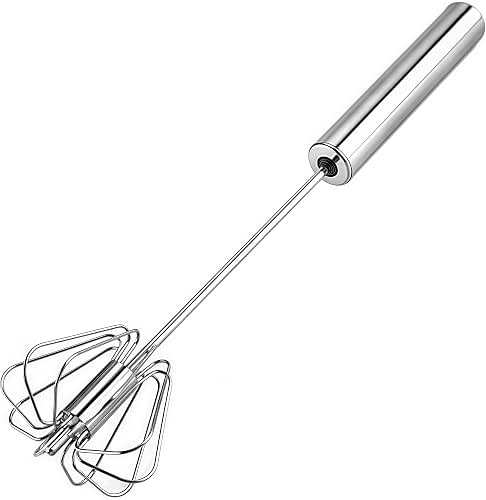 | Fast Whisk | Primary Function: Egg whisking and mixing | Material (Blade/Key Component): Stainless steel whisk | Hand-Operated Mechanism: Hand-push rotary action | VIEW LATEST PRICE | Read Our Analysis |
Links to Amazon are affiliate links. Buying through one costs you nothing extra and helps fund the research.
Why Viral Kitchen Gadgets Burn Out So Fast
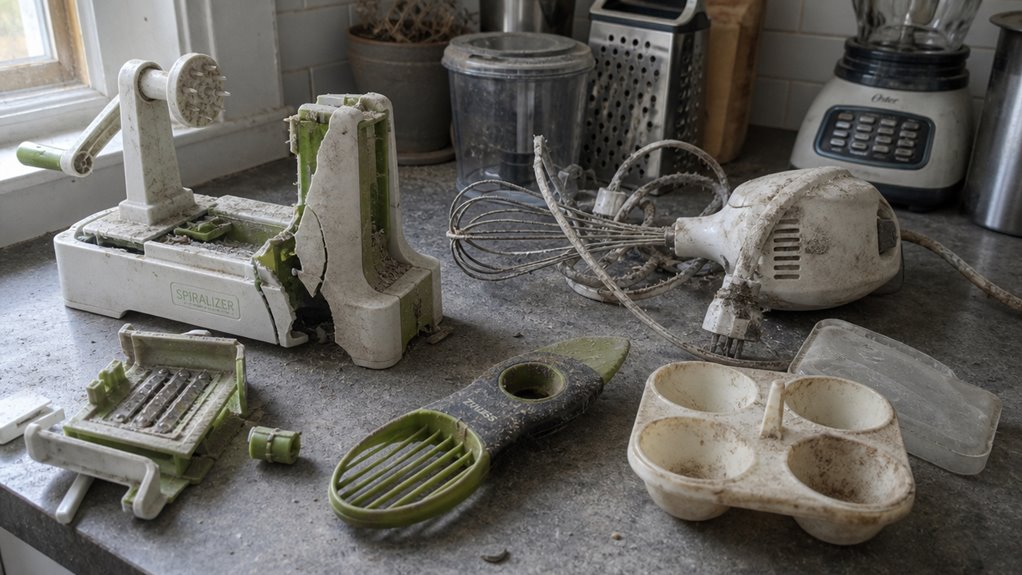
Viral kitchen gadgets burn out fast because they’re designed around visual impact rather than functional durability. Plastic hinges, narrow single-use shapes, and minimal build quality prioritize a compelling on-screen moment over the repetitive stress of daily food preparation.
When a tool is engineered for a scrolling feed, its design choices reflect that goal: lightweight materials reduce manufacturing costs but crack under regular washing, and a single-trick mechanism that looks impressive in a short video rarely integrates into a broader cooking workflow.
The cleaning process compounds the problem, since awkward shapes trap food and make maintenance more effort than the time savings justify.
Novelty fades quickly when a gadget solves only one narrow task, and most end up abandoned in a junk drawer within months of purchase.
Understanding the specific design and material decisions behind this pattern explains why the problem is so consistent. The hard plastic surfaces on many gadgets tend to crack after a few washes.
Designed for the Feed, Not for Daily Cooking
When a gadget is built for the feed instead of the stovetop, its design favors a quick visual trick over real kitchen stamina. A feed‑first design usually means a glossy plastic shell, a single‑use gadget that shows off in a 15‑second clip, and a narrow function that never fits a regular workflow. You’ll notice the hinge snapping after a few dozen uses, or the blade dulling because the material is cheap. The product may shave seconds off one step, but it adds a bulky attachment you have to store and clean.
In contrast, a sturdy multitasker with a metal blade and no moving parts stays useful day after day, while the gimmick fades once the video loop ends.
The Short Road From Must-Have to Junk Drawer
Because the hype‑engineered design favors a quick visual trick over real kitchen stamina, these gadgets sprint from “must‑have” to junk drawer inside a few months.
You’ll notice the novelty appeal fades after a couple of uses because the promised time‑saving never outweighs the extra cleaning and assembly.
The single‑purpose blade on a fruit‑cutter, for example, snaps at the hinge when you press too hard, and the plastic housing warps after a month of dishwasher cycles.
Bulky shapes and loose parts crowd your drawer, so you stash them away.
Meanwhile, a sturdy multipurpose spatula or a cast‑iron skillet stays useful daily, never demanding a second glance.
| Zulay Stainless Steel Garlic Press Rocker Set (Black) |  | Garlic Pro | Primary Function: Garlic pressing | Material (Blade/Key Component): 304 stainless steel | Hand-Operated Mechanism: Rocker back-and-forth motion | VIEW LATEST PRICE | Read Our Analysis |
| Farberware Nylon Meat and Potato Masher Aqua Sky |  | Multi-Tasker | Primary Function: Meat and potato mashing | Material (Blade/Key Component): Stainless steel blades | Hand-Operated Mechanism: Hand-held 5-blade mash | VIEW LATEST PRICE | Read Our Analysis |
| KitchenAid Classic Multifunction Can and Bottle Opener |  | Dual-Function | Primary Function: Can and bottle opening | Material (Blade/Key Component): Stainless steel cutting wheel | Hand-Operated Mechanism: Manual turn knob | VIEW LATEST PRICE | Read Our Analysis |
Links to Amazon are affiliate links. Buying through one costs you nothing extra and helps fund the research.
What the Viral Hype Cycle Hides
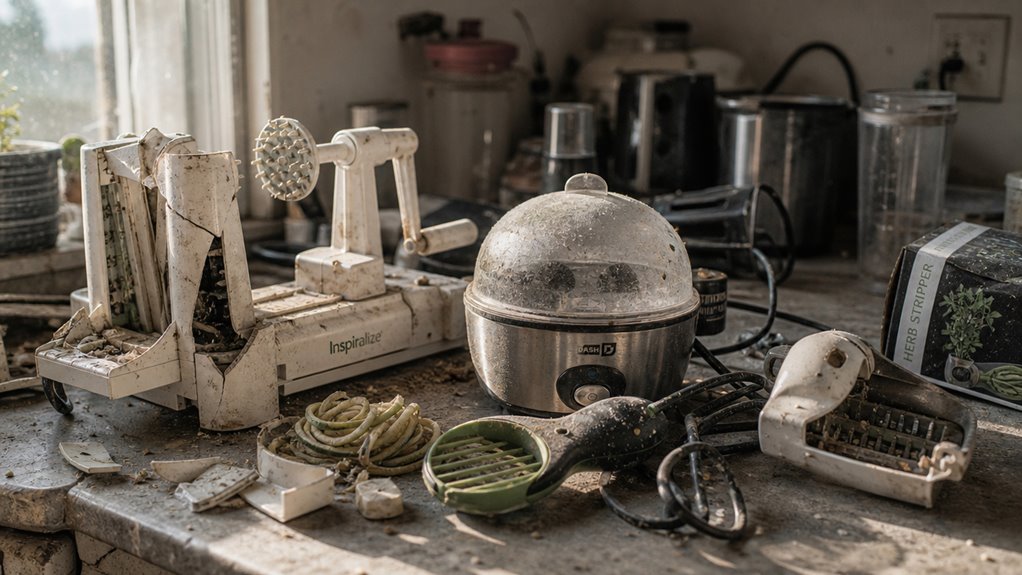
The viral hype cycle obscures a pattern that repeats across consumer gadgets: a single clever trick generates outsized attention, while the underlying material quality and practical range of the product remain narrow.
Gadgets built around one narrow use case rarely survive long enough to justify the initial enthusiasm, because the hype fades faster than the problem the product was meant to solve.
A cast-iron skillet illustrates the contrast clearly. Its seasoned surface, absence of moving parts, and ability to handle dozens of cooking tasks reflect a design built for durability rather than novelty.
When material quality and functional range align, a tool outlasts the trend cycle rather than disappearing alongside it.
Understanding why that gap exists requires a closer look at what drives purchasing decisions in the first place. A viral mandoline guard, for instance, shows how safety concerns can quickly undermine a product’s longevity.
Novelty, One Clever Trick, and a Single Use Case
Why do you keep seeing the same bright‑colored gadget that promises to slice, dice, or peel in a single slick motion, only to end up collecting dust?
The trick is that novelty drives the hype. A short video shows one clever trick, such as a twisting blade or a pop‑up cutter, so you think you’ll save minutes.
In reality the mechanism is built for a single use case, like avocado halves, and it adds a fragile plastic hinge that snaps after a few washes.
You end up with a single‑purpose tool that sits idle while a sturdy knife does the same job without the moving parts.
Count the parts, check the material, and ask whether you already own a reliable multitasker.
Why a Cast Iron Skillet Outlives Every Viral Gadget of the Season
When you compare a cast‑iron skillet to the latest kitchen gadget, the difference isn’t just age; it’s how the material behaves over time.
A cast iron skillet is a single solid block that seasons, repairs, and never warps, while viral gadgets often rely on thin plastics that crack or lose their coating after a few dozen uses. You’ll find that the skillet’s heat retention lets you sear, bake, and grill without swapping tools, and the seasoning can be stripped and rebuilt, which a silicone‑coated gadget cannot do.
In contrast, most trendy tools have a narrow temperature window, a fragile hinge, or a coating that peels, forcing you into a replacement cycle that rarely exceeds a year. This durability gap explains why the skillet outlives every seasonal hype.
The Pattern Behind Failing Kitchen Gadgets
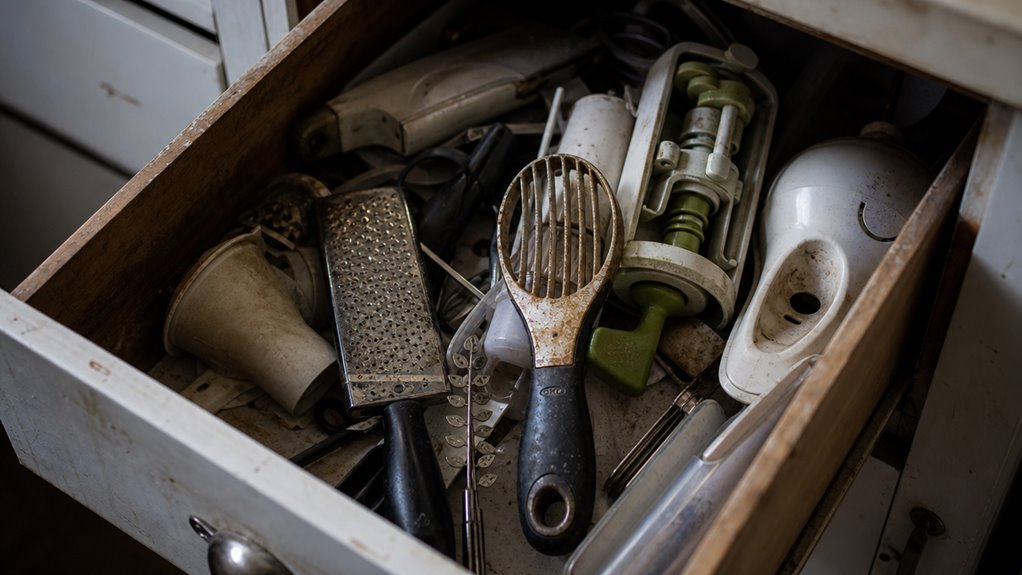
Failing kitchen gadgets share a consistent pattern rooted in novelty-driven design that favors visual appeal over structural integrity.
Flimsy plastic hinges snap after minimal use, and small internal gears in slicers jam when pressed against anything larger than the intended size.
Cheap surface coatings begin peeling once the gadget meets regular washing, cutting its functional life short.
These failures trace back to a design priority that makes a product perform well on video rather than hold up in daily kitchen use.
Understanding what separates disposable construction from durable alternatives shapes every practical decision that follows.
The suction base on countertop slicers of this kind often fails to stay attached, which makes the tool unsafe for regular use.
Flimsy Materials, Clog-Prone Parts, and Coatings That Peel
If you’ve ever taken a viral slicer out of the drawer and watched the plastic hinge snap the first time you tried to cut a carrot, you already know the pattern: cheap, low‑grade plastics and thin metal sheets are chosen to keep the price low, but they can’t survive everyday heat or pressure.
Those flimsy materials warp in the sink, crack when you twist a knob, and let crumbs slip into hidden joints. The clog‑prone design of many slicers and spiralizers traps fibrous pulp in narrow channels, so a single week of use leaves a stubborn blockage that forces you to pry apart the housing. Add a thin non‑stick coating, and you’ll see it peel after a few washes, exposing raw metal that rusts and flares off‑flavors. The result is a gadget that looks clever on video but falls apart before it proves useful.
Why Novelty Appeal Predicts Failure Where Build Quality Predicts Longevity
Because a gadget’s wow factor usually comes from a single visual trick, its appeal fades as soon as the novelty wears off, and you end up with a tool that looks cool on video but can’t survive the everyday grind.
You’ll notice novelty‑driven purchase spikes surge, then evaporate when the demo moment ends. Those spikes hide a deeper flaw: the product’s build quality. A flimsy hinge or cheap plastic shell will snap after a few washes, even if the first clip was impressive.
In contrast, a sturdy, well‑engineered tool endures repeated handling, heat, and storage, turning it into a kitchen staple. Look for solid materials, secure joints, and minimal moving parts. Those predict longevity; novelty alone predicts failure.
How to Spot a Gadget That Will Not Last
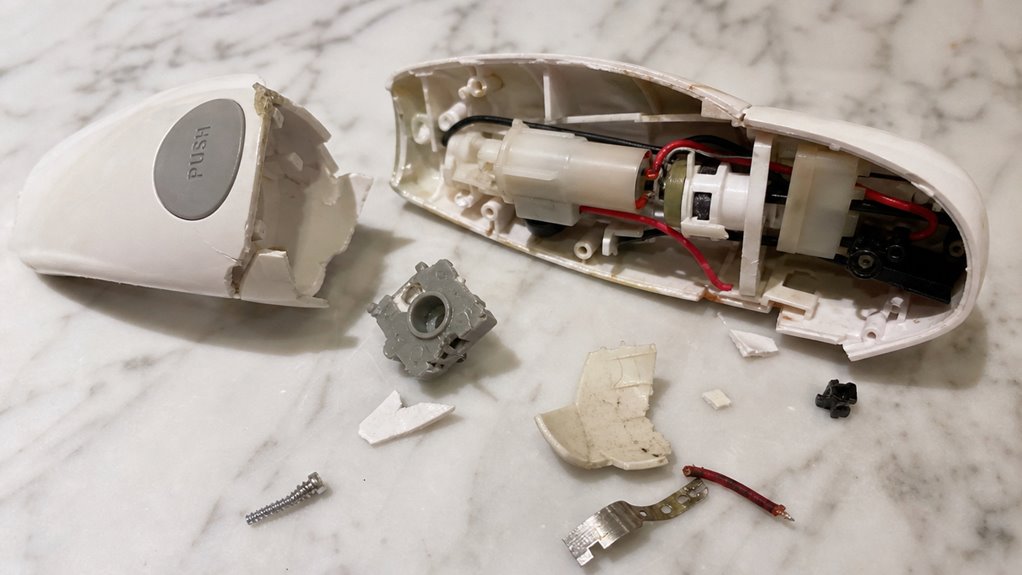
A short-lived gadget typically reveals itself through its materials, moving parts, and actual utility in the kitchen. Thin plastic housings and press-fit hinges are reliable warning signs, since these construction choices indicate that durability wasn’t a design priority.
A gadget that performs only one trick, something a knife or a pair of tongs already handles, is unlikely to earn regular use, and low-frequency tools almost always migrate to the junk drawer. Crevice-heavy designs that trap food or require a special wash cycle compound the problem, because difficult cleaning discourages maintenance and accelerates abandonment.
Understanding how these factors interact reveals which gadgets are worth the counter space.
Reading Materials, Moving Parts, and Cleanup Before You Buy
A printed manual in the box, rather than a QR code pointing at a web page, is a small signal about build intent. Makers who expect a product to last document its safety limits, cleaning steps, and warranty terms on paper that outlives the URL.
Look for clear food‑safe material labels and heat‑rating numbers; they tell you the plastic won’t melt on the stovetop.
Next, count the moving parts. Fewer hinges, gears, or blades mean less chance of a snap or clog. If the gadget has a detachable blade, see whether the manual lists a replacement part number.
Finally, note dishwasher guidance: does it say top‑rack safe, or require hand‑washing? Precise cleaning instructions protect seals and coatings, extending life.
The Questions That Separate a Trend From a Tool
If you weigh a gadget against your everyday cooking routine, the first thing to check is whether it solves a problem you actually face on a regular basis. Ask yourself if the item meets the repeat‑use threshold: does it handle a task you perform several times a week, or is it a one‑off novelty? Consider the trend cycle. Will the gadget still be useful after the hype fades?
Test its category fit: does it replace a core tool with a real advantage, or does it duplicate a pan, knife, or processor? Look at the counter space it demands; if it lives in a drawer, it likely fails the counter‑space test.
Finally, evaluate workflow fit: does it cut steps or add cleanup? If the answer is “adds,” you’re probably looking at a short‑lived trend, not a durable tool.
What to Buy Instead of the Next Viral Gadget
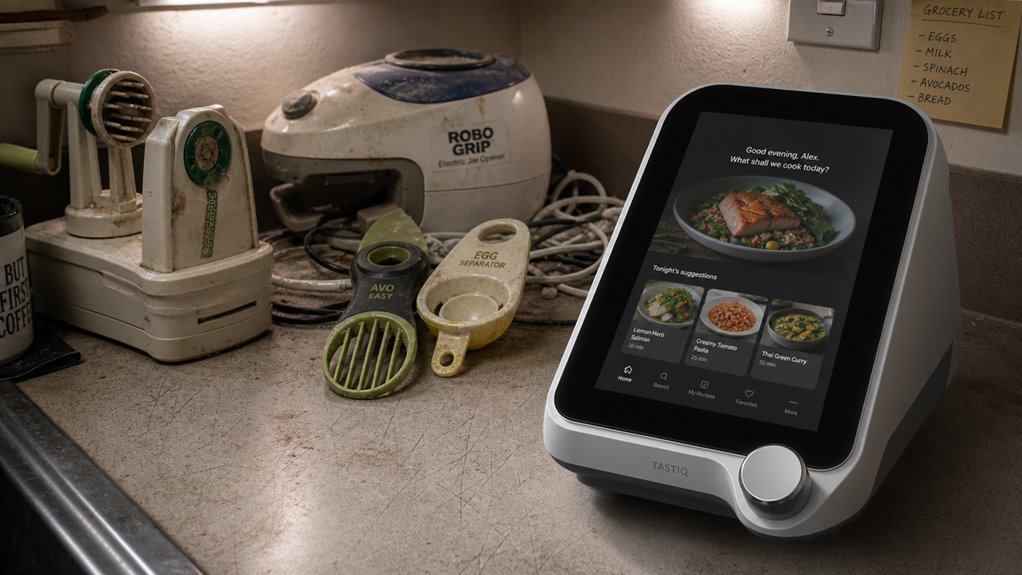
Choosing durable kitchen tools over trend-driven gadgets means prioritizing items that handle daily cooking tasks without requiring frequent replacement or upgrades.
A chef’s knife, a cast-iron skillet, and a digital scale each serve broad cooking functions that single-use plastic gadgets can’t match across time.
All-metal construction resists wear, simplifies cleaning, and eliminates the material degradation common in gadgets designed around a single use case.
These tools typically fall within a budget price tier, meaning the long-term value relative to cost tends to outweigh the modest additional storage space they require.
The considerations behind choosing tools that last go deeper than these three examples suggest.
Durable Multitaskers That Never Trend but Always Deliver
Skip over the hype and focus on tools that actually survive daily use. Set a durable tool against a trend gadget and the multitasker wins every time.
A heavy‑duty chef’s knife with high‑carbon stainless steel and a full‑tang handle stays sharp for years and replaces a slicer, chopper, and boning tool. Its only drawback is the need for occasional sharpening.
A 10‑inch cast‑iron skillet endures decades, seasons into a natural nonstick surface, and moves from stovetop to oven to campfire, but it’s heavy to lift.
Half‑sheet pans made of heavy‑gauge aluminum resist warping and handle baking, roasting, and freezing, yet they take up a lot of storage space.
Stainless‑steel mixing bowls nest, resist stains, and survive temperature swings, though they can be noisy when whisking.
Silicone spatulas survive high heat and won’t melt, but they lack the rigidity of metal turners. These multitaskers solve recurring needs without the fragile moving parts that doom viral gadgets.
Matching Lasting Value to the Under-$30 Ceiling
The multitasker you already trust, such as a sturdy stainless‑steel whisk or a high‑heat silicone spatula, fits neatly under the $30 ceiling and will outlast any flash‑in‑the‑pan gadget you might be eyeing.
You can add a 5‑piece utensil set in the budget tier, spreading value across spoons, turners, and tongs that survive daily use for years.
Pick 18/8 stainless steel or food‑grade silicone; they resist rust, warping, and coating flaking, unlike many plastic‑only viral kitchen gadgets.
A borosilicate glass measuring cup handles temperature shocks without cracking.
These basics get used twice a week, slashing cost‑per‑use compared with a novelty gadget that sits idle after one party.
Trendy kitchen gadgets rarely last. The durable multitaskers do.
Frequently Asked Questions
Do Viral Gadgets Ever Get a Warranty?
Yes, most viral gadgets come with a limited warranty, often a few months to a year, covering material defects, but they rarely protect against the wear, misuse, or design flaws that make them break fast.
Can I Repurpose a Broken Gadget for Another Use?
You can repurpose a broken gadget, but first strip out any hazardous parts, clean it thoroughly, then reuse sturdy components such as containers, magnets, or motors for storage, DIY tools, or simple electronics projects.
Do These Gadgets Affect Food Safety or Hygiene?
Yes, they can compromise food safety: flimsy hinges trap bacteria, cheap plastics leach chemicals, and non‑dishwasher‑safe parts stay dirty. Count moving parts, check material grades, and demand proper cleaning instructions.
Are There Any Eco‑Friendly Viral Kitchen Tools?
Eco‑friendly viral tools do exist: bamboo spatulas, stainless‑steel mesh filters, silicone stretch lids. Durability, material purity, and real need decide whether they outlast the hype.
How Much Should I Expect to Spend on a Durable Multitasker?
Each core multitasker, whether a chef’s knife, a frying pan, a saucepan, a cutting board, or another basic, sits within the under-$30 budget tier, so you can build a full multitasking set one affordable piece at a time rather than as a single large outlay.
Conclusion
You’ve seen the avocado slicer snap after a week, and the magnetic spice rack lose its pull in a month. Those failures stem from cheap hinges, single‑piece magnets, and flimsy plastic that can’t take repeated stress. A solid alternative, like a stainless‑steel mandoline with a locking blade, costs more but lasts years because its parts are robust and the design is simple. Stick to tools that use durable materials and minimal moving parts, and you’ll avoid another short‑lived gadget.
| HULISEN Serrated Hand Food Chopper - 3″ Stainless Steel |  | Heavy-Duty Chopper | Primary Function: Food chopping | Material (Blade/Key Component): Stainless steel serrated blades | Hand-Operated Mechanism: Twisting/chopping motion | VIEW LATEST PRICE | Read Our Analysis |
| Professional 4-in-1 Knife Sharpener with Tungsten and Ceramic Slots |  | Sharpener Pro | Primary Function: Blade sharpening | Material (Blade/Key Component): Tungsten, diamond, ceramic slots (metallic) | Hand-Operated Mechanism: Pull-through sharpening | VIEW LATEST PRICE | Read Our Analysis |
| HIC Kitchen Onion Chopper with Stainless Steel Blades |  | Best Overall | Primary Function: Onion and vegetable chopping | Material (Blade/Key Component): Stainless steel blades | Hand-Operated Mechanism: Spring-action plunger | VIEW LATEST PRICE | Read Our Analysis |
Links to Amazon are affiliate links. Buying through one costs you nothing extra and helps fund the research.

Michael Haralson worked in professional kitchens from 1979 to 1992: San Diego restaurants, six years with a catering company beside an Austrian chef, and two summers as a cook on the Finland to Sweden cruise route. He then built a fifteen-year career at Nokia. It began in product marketing and product management, where technical specifications and supplier evaluation were part of the work, and grew from a few countries to a region to global roles, then into sales and corporate strategy. That took him to Beijing for three years, where he spent many weekends in a different province trying the local food and took cooking classes. He has eaten in more than 40 countries and has been shown the kitchens of restaurants in Southern Europe. At home in Finland he cooks Cantonese, Sichuan and Mediterranean food, and still uses the cast iron skillet he bought in 1992. He is the author of Buy It Once, Book One of The Researched Kitchen, and writes here about the balance between kitchen tools that cost too much and those that fail too soon.