Cooking pasta without burning it requires the right pot, matched burner size, and controlled heat. Thin pans heat unevenly and create hot spots that scorch water before it reaches a steady boil.
- Heavy-bottomed pot distributes heat evenly across its base, preventing the uneven temperature spikes that burn pasta or scorch a simmer.
- Burner-to-pan size matching keeps heat concentrated under the cooking surface, so water reaches temperature at a consistent rate.
- Water-drop test signals when a pan has reached the correct temperature, since a droplet that skates across the surface means the pan is ready for oil.
A heavy-bottomed pot works because its mass absorbs and spreads thermal energy. This keeps the cooking surface stable even when the burner runs at medium heat. Cooks who use thin, lightweight pans often compensate by raising the burner, which introduces the hot spots that cause scorching.
Pot size relative to water volume also affects how heat distributes during cooking. A pot too large for the water volume forces the burner to work harder and creates uneven boiling zones. Matching the pot to the amount of water keeps the boil steady and reduces the risk of burning.
Stirring frequency and timing work alongside equipment choices to prevent pasta from sticking or scorching. A sturdy, appropriately sized pot reduces the need for constant adjustment, giving the cook more control over the process.
Water needs to reach around 212 degrees Fahrenheit at sea level to achieve a full rolling boil, and uneven pan surfaces can create localized temperature differences that interfere with reaching that threshold consistently.
Cheap or expensive is the wrong question. Cost per use is the honest one. Check out our new Calculator.
Cost-Per-Use Calculator →Key Points
- Use a heavy‑bottomed, appropriately sized pot; the thick base spreads heat evenly and prevents hot spots that scorch pasta.
- Preheat the pot on medium, then perform the water‑drop test. If droplets bead and skate, the surface is ready; if they evaporate instantly, lower the heat.
- Add a splash of water or oil before the pasta, then stir immediately and regularly to keep temperature uniform and avoid sticking.
- Keep the burner at medium or low; high heat creates rapid temperature spikes that burn the bottom before the water reaches a gentle boil.
- Set a timer for the recommended cooking time and check a minute early; remove the pot from heat as soon as pasta is al dente to stop overcooking.
| Victoria 6.5″ Pre-Seasoned Cast Iron Skillet |  | Best Overall | Material: Cast iron | Pre‑Seasoned Surface: Pre‑seasoned with kosher flaxseed oil | Oven‑Safe: Oven‑safe up to 750 °F | VIEW LATEST PRICE | Read Our Analysis |
| 6‑Inch Cast Iron Skillet – Pre‑Seasoned Oven‑Safe Grill‑Ready |  | Budget-Friendly Pick | Material: Cast iron | Pre‑Seasoned Surface: Pre‑seasoned with vegetable oil | Oven‑Safe: Oven‑safe (primary spec) | VIEW LATEST PRICE | Read Our Analysis |
| Lodge 6.5″ Cast Iron Skillet – PFAS‑Free Non‑Toxic |  | Professional Grade | Material: Cast iron | Pre‑Seasoned Surface: Pre‑seasoned with natural vegetable oil | Oven‑Safe: Oven‑safe | VIEW LATEST PRICE | Read Our Analysis |
Links to Amazon are affiliate links. Buying through one costs you nothing extra and helps fund the research.
Why the Right Beginner Cookware Stops the Burning
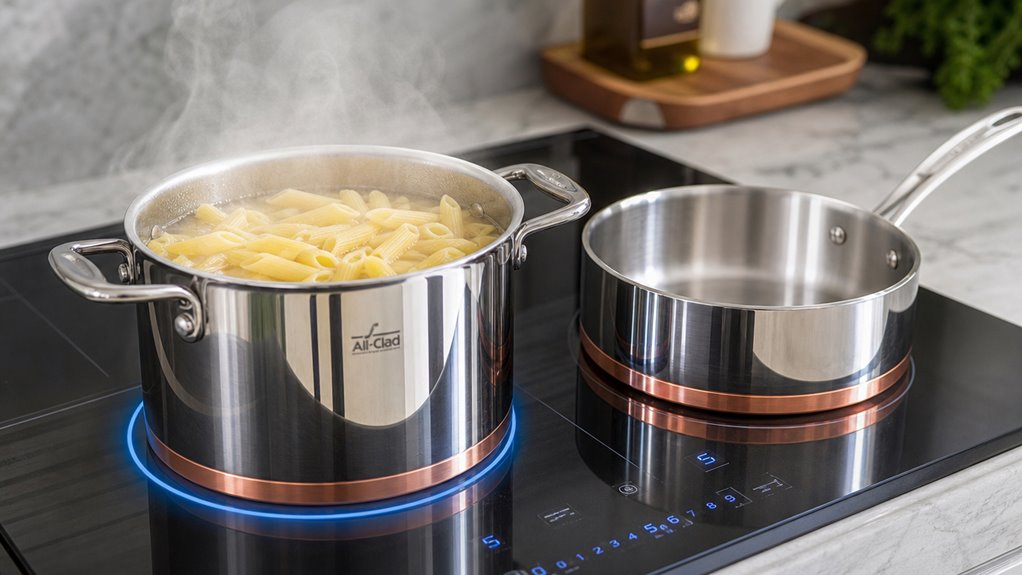
Heavy-bottomed cookware prevents burning by distributing heat across a wider surface area, eliminating the hot spots that cause sauce and liquid to scorch before the rest of the pan has even reached cooking temperature.
Thin pots concentrate heat in uneven pockets, so a simmer can flash to a burn with little warning. The extra mass in a heavy pan absorbs temperature spikes and keeps the cooking surface stable, giving the cook more control over how heat is applied.
Keeping the burner at medium heat reinforces this stability, since heavy cookware retains warmth well enough that high heat is rarely necessary.
Understanding how pan construction and heat management work together shapes every decision that follows. Using a sturdy handle ensures safe, stable maneuvering of heavy pans during cooking.
How a Thin Pot Scorches Where a Heavy One Cooks Evenly
When a thin‑gauge pot sits on a gas flame, the heat concentrates in a tight ring and spikes in a few spots, so the sauce or pasta water sticks and burns before the rest of the liquid even warms up.
The thin pot’s base transmits flame energy almost straight upward, creating localized hotspots that scorch starches and sugars.
A heavy‑bottomed pot, by contrast, spreads that same energy laterally through a thicker metal layer, keeping the temperature uniform across the bottom.
This even heat prevents the liquid from thickening in one corner while the center stays cool.
You’ll notice fewer burn warnings and a smoother simmer when the pot’s mass buffers the burner’s fluctuations.
Adding a diffuser under a thin pot can help, but the simplest fix is swapping to a heavy‑bottomed pot.
Why a Heavy-Bottomed Pot Stops the Scorching That a Thin One Causes
If you trade a flimsy, one‑inch‑thin pot for a heavy‑bottomed one, the difference shows up the moment the flame hits the base. A thick base spreads heat laterally, so the temperature stays even instead of forming hot spots that scorch sauce.
The added thermal mass buffers burner cycling, keeping the boil steady when you dump pasta in. Heavy‑bottomed cookware also stores more heat, giving you heat retention that lets the liquid stay at a gentle simmer after the burner turns off.
That residual warmth means you can run the burner on medium, not high, and still avoid sudden spikes. The result is fewer burnt patches, easier stirring, and a sauce that doesn’t cling to the bottom. Heavy bottom pots also improve overall cooking performance by ensuring consistent temperature distribution.
| Utopia Kitchen Pre-Seasoned Cast Iron Skillet with Lid (10″) |  | Most Versatile | Material: Cast iron | Pre‑Seasoned Surface: Pre‑seasoned (additional seasoning recommended) | Oven‑Safe: Oven‑safe | VIEW LATEST PRICE | Read Our Analysis |
| 8 Inch Round Medium Pre-Seasoned Cast Iron Skillet |  | Best Durability | Material: Cast iron | Pre‑Seasoned Surface: Pre‑seasoned (proprietary oil blend) | Oven‑Safe: Oven‑safe | VIEW LATEST PRICE | Read Our Analysis |
| 10‑Inch Cast Iron Skillet with Pour Spouts Natural Nonstick |  | Best For Beginners | Material: Cast iron | Pre‑Seasoned Surface: Unseasoned (requires initial seasoning) | Oven‑Safe: Oven‑safe (any temperature) | VIEW LATEST PRICE | Read Our Analysis |
Links to Amazon are affiliate links. Buying through one costs you nothing extra and helps fund the research.
The Heat-Control Mistakes Behind Burnt Food
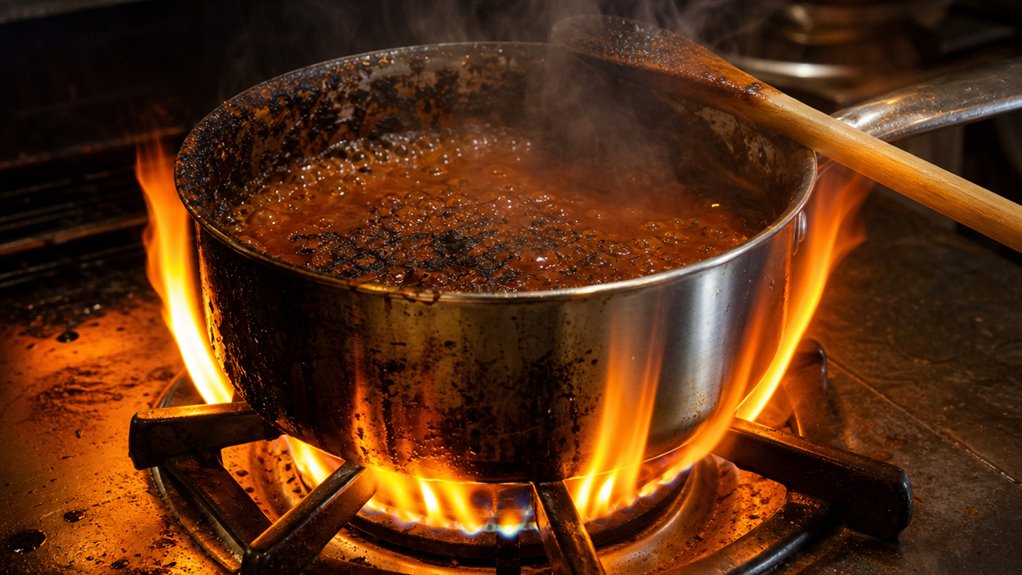
Burnt food most often results from heat-control mistakes that push cooking temperatures beyond what the ingredients can handle without scorching. High burner settings create uneven hot spots in the pan, meaning a sauce can burn at the base before the surrounding liquid even reaches a simmer.
Starches need sustained, moderate heat to hydrate properly, so rushing that process by cranking the flame causes sticking and scorching rather than even cooking. Keeping the burner at medium heat and stirring occasionally distributes thermal energy more evenly across the pot, giving both water and sauce time to respond without damage.
The details behind managing flame intensity, simmer consistency, and sticking prevention go further than most cooks expect. Using an instant‑read thermometer can help you monitor the sauce’s temperature and avoid exceeding the optimal range.
Why More Heat Is Not Faster Cooking
Even if you crank the burner up, the food won’t necessarily cook faster because heat is an energy transfer, not a speed dial.
The pan can only pass a certain amount of energy to the food before moisture evaporates, and excess heat just dries the surface. You end up with a scorched crust while the interior lags, especially with pasta that needs even temperature rise. Good heat control means staying at medium, letting the pot’s heavy bottom spread energy, and covering when you want to trap steam.
- High flame accelerates moisture loss, drying sauce before it thickens.
- Thin pans create hot spots that scorch before the bulk cooks.
- Large burners waste energy outside the pan’s footprint.
- Covered pots retain heat and moisture, cooking faster without burning.
- Dense or thick pieces need lower heat to let the core catch up.
- Higher moisture content speeds heat travel, so adding a splash of water can prevent early scorching.
Why Blasting High Heat Burns the Food That Medium Heat Would Cook
When you crank the burner to high, the pan’s surface can jump past 400 °F, and that heat spikes the sauce or pasta before the interior even feels a warm breeze. The metal stores that energy, so even after you lower the dial the pan stays scorching for minutes. Thin pots amplify hot spots, turning a quick stir into a charred mess.
Medium heat, on the other hand, lets the surface settle near the oil’s smoke point, giving you a visual cue before the food burns. It also lets moisture evaporate evenly, so the interior warms while the exterior browns gently. Mastering heat control cooking means choosing a heavy‑bottomed pot, starting on medium, and adjusting only when you see the oil shimmer, not smoke. This steady approach prevents the sudden, irreversible scorch that high heat guarantees.
How Beginner Cookware Choices Prevent Common Mistakes
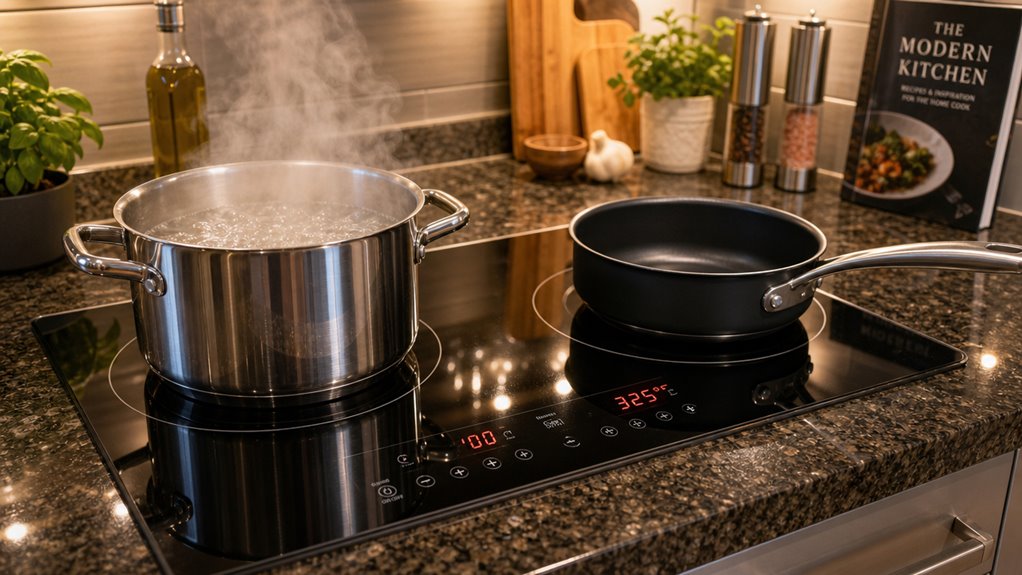
Choosing cookware with a heavy-bottomed construction prevents the uneven heat distribution that causes hot spots, which scorch sauces and ruin dishes before the cooking process has properly begun.
Pan material and base thickness determine how consistently heat travels across the cooking surface, and those physical properties directly shape whether a beginner maintains control or loses it.
Matching pan size to the quantity of food being cooked is equally important, since an oversized or undersized vessel changes how quickly temperatures shift.
A simple water-drop test before adding ingredients helps gauge whether the surface has reached a workable temperature rather than an extreme one that burns food on contact.
The choices a beginner makes at the cookware stage set the conditions for everything that follows.
Matching the Pan and Pot to the Dish
Start by looking at the shape and size of the pan or pot you reach for. If the vessel is too large for the amount of pasta or sauce, you’ll waste heat and prolong the boil; too small, and you’ll get boil‑overs and gummy starch.
Matching the pan/pot size vs. food volume is a core habit for beginner cookware. Choose a tall stockpot for a full‑pot of water, a 10‑inch skillet for a single‑pan sauté, and a 3‑quart sauté pan for shallow frying. The right shape, straight‑sided for sauces or flared‑sided for tosses, keeps moisture from trapping and prevents steaming instead of browning.
- Oversized pot = slower boil, excess energy use
- Undersized pot = boil‑over, uneven cooking
- 10‑12‑inch skillet = space to toss without crowding
- 3‑quart sauté pan = wide base for even heat distribution
- Tall stockpot = full submersion, less splatter
Reading When a Surface Is Too Hot Before the Food Goes In
Choosing the right pan size is only half the battle; the next step is making sure the surface isn’t scorching before you dump in pasta or sauce.
First, preheat the pan on medium heat for a minute, then splash a few drops of water. If the droplets bead and skate, the pan is ready; if they break into tiny beads that evaporate instantly, you have hot spots and the surface is too hot. Remove the pan briefly, let it cool, and test again.
A heavy‑bottomed pot spreads heat evenly, reducing hot spots that cause uneven scorching.
Keep oil handy, but only add it after the water test shows a steady, moderate temperature. This habit lets you avoid burning sauce before it even touches the pot.
The Beginner Mistakes That Ruin a Meal
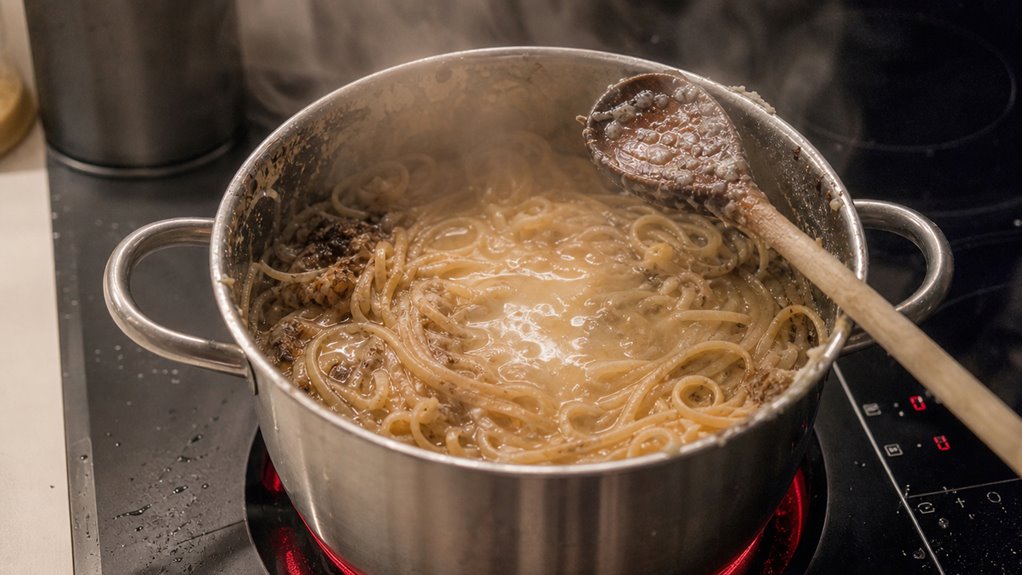
Beginner cooking mistakes most often come down to three habits: crowding the pan, leaving the stove unattended, and skipping regular stirring, and each one allows heat to concentrate unevenly, which scorches food before it has a chance to cook through.
A thin-bottomed pan loaded with too many ingredients traps steam and causes the temperature to drop, leaving sauce prone to clinging and burning rather than simmering steadily.
Keeping the pan roomy gives moisture room to escape, while staying close to the stove allows for the small adjustments that prevent hot spots from developing.
Regular stirring redistributes heat across the ingredients and reduces the risk of sticking, particularly in sauces and dishes that need consistent, even warmth to finish properly.
Understanding how these habits interact with cookware and heat control makes the difference between a meal that works and one that does not.
Crowding the Pan, Walking Away, and Skipping the Stir
Crowding the pan traps moisture, so instead of a nice sear you end up with steamed, pale pieces that never hit the Maillard reaction. When you pile food into a small skillet, the temperature drops, steam fills the space, and you lose browning.
That same loss of heat makes it easy to walk away and let sugars scorch. Skipping the stir adds hot spots, so part of the batch burns while the rest stays raw. The result is uneven texture, flat flavor, and possible safety gaps.
- Keep the surface no more than half covered
- Leave about an inch between pieces
- Use a larger pan or work in batches
- Stay at the stove, watch the pan
- Stir early and often to prevent sticking
Where a Scorched Pot and a Stuck Pan Come From
Because a thin, cheap pot concentrates heat in a few spots, the sauce can scorch before the rest of the dish even reaches temperature. You’re probably using the wrong pot or pan size, which creates hot spots and forces the liquid to evaporate too fast.
An undersized pot for pasta raises starch concentration, so the water foams, spills, and burns the bottom. A shallow pan for a simmering sauce does the same, pulling moisture away and leaving a crust that sticks.
Oversized pans lose moisture quickly, so the interior stays undercooked while the edges scorch. Switch to a heavy‑bottomed, appropriately sized vessel, keep the heat at medium, and stir often. Those simple habits are the core of how to stop burning pasta.
How to Cook With Confidence From the Start
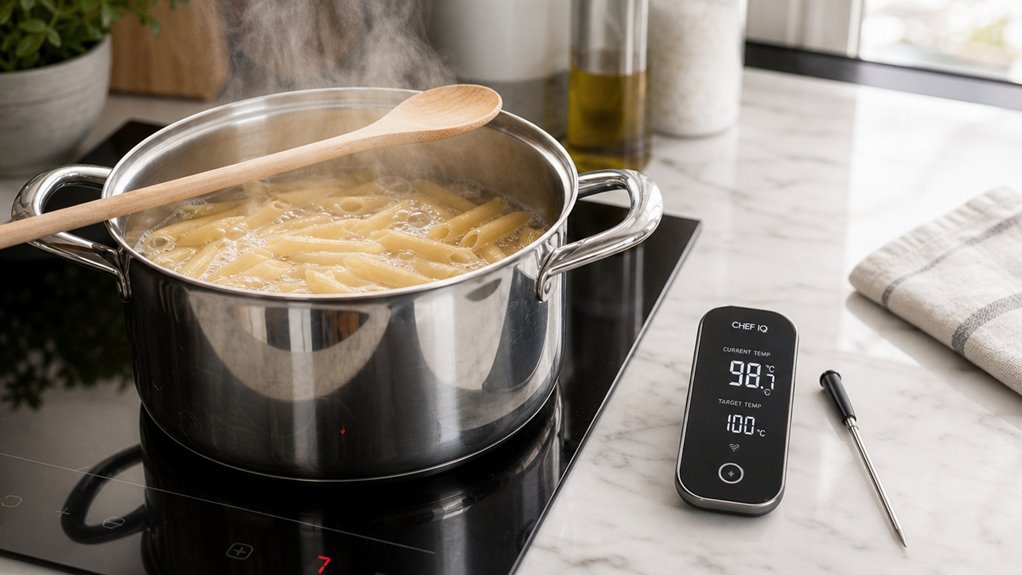
Cooking with confidence from the start means replacing guesswork with a small set of repeatable habits: preheating a heavy-bottomed pot, holding the burner at medium heat, and stirring a sauce at regular intervals to keep it from scorching.
These habits matter because heat distribution determines whether food cooks evenly or develops hot spots that burn one section while leaving another underdone.
A well-balanced pan with a thick base supports that consistency, and budget-friendly options in the under-$30 range often include this design feature, though the added material can make them heavier to maneuver.
When technique and cookware work together, outcomes like evenly cooked pasta and a stable sauce become reliable rather than accidental.
The details behind each of these habits are worth understanding in full.
Simple Habits That Replace Guesswork
Instead of guessing when to stir, check, or turn off the heat, treat each step like a mental checklist. You’ll stop burning pasta and sauce once you trust a few simple habits that turn timing into a tool, not a guess. Use timers for everything and follow the first check rule so you’re never caught off‑guard.
- Set a timer for boiling water, then another for the pasta’s first check, usually 2–3 minutes early.
- Label each timer (“pasta,” “sauce,” “oven”) to avoid mix‑ups when multiple dishes run together.
- Follow a heat‑and‑timing checklist: correct pan size, burner level, fat added, timer started.
- Use visual and sound cues: a gentle sizzle means proper temperature, quiet simmer signals it’s time to stir.
- Before you leave the kitchen, run a shutdown checklist: burners off, handles inward, pans safe, leftovers stored.
Matching Reliable Beginner Cookware to the Under-$30 Ceiling
Grab a heavy‑bottomed pot and set the burner to medium, then you’ll have a forgiving foundation for pasta, sauce, and anything else that tends to scorch. Pair it with a non‑stick pan for quick sauté and egg work, and you’ll dodge the most common beginner cooking mistakes. Choose a 2‑quart saucepan with a tri‑ply aluminum core; it spreads heat evenly and the clear lid lets you watch simmering without lifting. A 5‑quart stockpot with tall, narrow walls reduces splatter and gives room for pasta. Keep the set simple: a nonstick skillet, a saucepan, and a stockpot cover 90 % of starter tasks without breaking $30.
| Item | Key Feature | Typical Limitation |
|---|---|---|
| Nonstick skillet (8‑10″) | 3.5‑4 mm aluminum, riveted handle | Not induction‑ready |
| 2‑qt saucepan | Encapsulated aluminum base, glass lid | Small capacity |
| 5‑qt stockpot | Stainless steel with aluminum core, loop handles | Heavy when full |
Frequently Asked Questions
What Pot Size Is Ideal for Cooking a Single Serving of Pasta?
You’ll want a 2‑quart (≈1.9 L) pot for a single serving of pasta. It gives enough water and headroom, spreads heat evenly, and prevents boil‑overs or scorching while you stir and watch.
Can I Use a Non‑Stick Skillet for Boiling Sauce Without Burning?
Yes, you can use a non‑stick skillet for boiling sauce, but keep the heat low‑to‑medium, add liquid before heating, stir frequently, and never leave it unattended to avoid scorching.
How Long Should I Let a Pot Preheat Before Adding Ingredients?
Preheat your pot for 2‑4 minutes on medium, watching oil shimmer or a water droplet dance. Adjust if it sizzles too fast, then add ingredients.
Is It Safe to Increase Heat to High Once the Water Is Boiling?
Yes, you can crank it to high after the water’s boiling, but you don’t need to. Medium heat keeps a steady boil, saves energy, and prevents splatter, overflow, and scorching.
Do I Need a Lid to Prevent Pasta From Sticking and Scorching?
No, you don’t need a lid to stop sticking or scorching. Just keep a rolling boil, use plenty of water, and stir vigorously right after you drop the pasta in.
Conclusion
You’ve seen how a sturdy, heavy‑bottomed pot spreads heat evenly, letting you keep the flame at medium without constantly watching. That simple swap, plus a habit of stirring and not overcrowding, stops the sauce from turning black and keeps pasta al dente. It’s not magic; it’s a reliable tool that removes the guesswork. With the right cookware and a bit of heat control, you’ll cook confidently, avoiding the “burnt‑to‑a‑crisp” trap that trips up many beginners.
| Pre-Seasoned Cast Iron Skillet 5 Inch Mini Deep Pan with Handle Black |  | Compact Choice | Material: Cast iron | Pre‑Seasoned Surface: Pre‑seasoned natural non‑stick | Oven‑Safe: Oven‑safe | VIEW LATEST PRICE | Read Our Analysis |
| Lodge Seasoned Cast Iron Griddle 10.5″ Round | 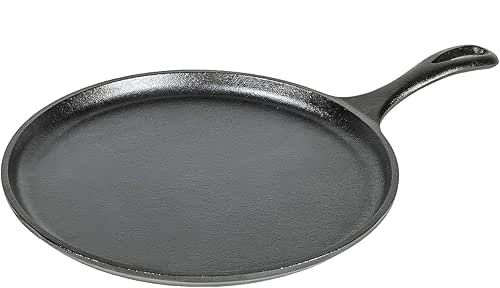 | Heavy-Duty Performer | Material: Cast iron | Pre‑Seasoned Surface: Pre‑seasoned (iron and oil only) | Oven‑Safe: Oven‑safe | VIEW LATEST PRICE | Read Our Analysis |
| Pre-Seasoned Cast Iron Skillet Black 6 Inch Mini Frying Pan with Handle |  | Outdoor Ready | Material: Cast iron | Pre‑Seasoned Surface: Pre‑seasoned natural non‑stick | Oven‑Safe: Oven‑safe (max 250 °C) | VIEW LATEST PRICE | Read Our Analysis |
Links to Amazon are affiliate links. Buying through one costs you nothing extra and helps fund the research.

Michael Haralson worked in professional kitchens from 1979 to 1992: San Diego restaurants, six years with a catering company beside an Austrian chef, and two summers as a cook on the Finland to Sweden cruise route. He then built a fifteen-year career at Nokia. It began in product marketing and product management, where technical specifications and supplier evaluation were part of the work, and grew from a few countries to a region to global roles, then into sales and corporate strategy. That took him to Beijing for three years, where he spent many weekends in a different province trying the local food and took cooking classes. He has eaten in more than 40 countries and has been shown the kitchens of restaurants in Southern Europe. At home in Finland he cooks Cantonese, Sichuan and Mediterranean food, and still uses the cast iron skillet he bought in 1992. He is the author of Buy It Once, Book One of The Researched Kitchen, and writes here about the balance between kitchen tools that cost too much and those that fail too soon.