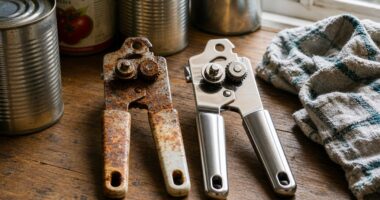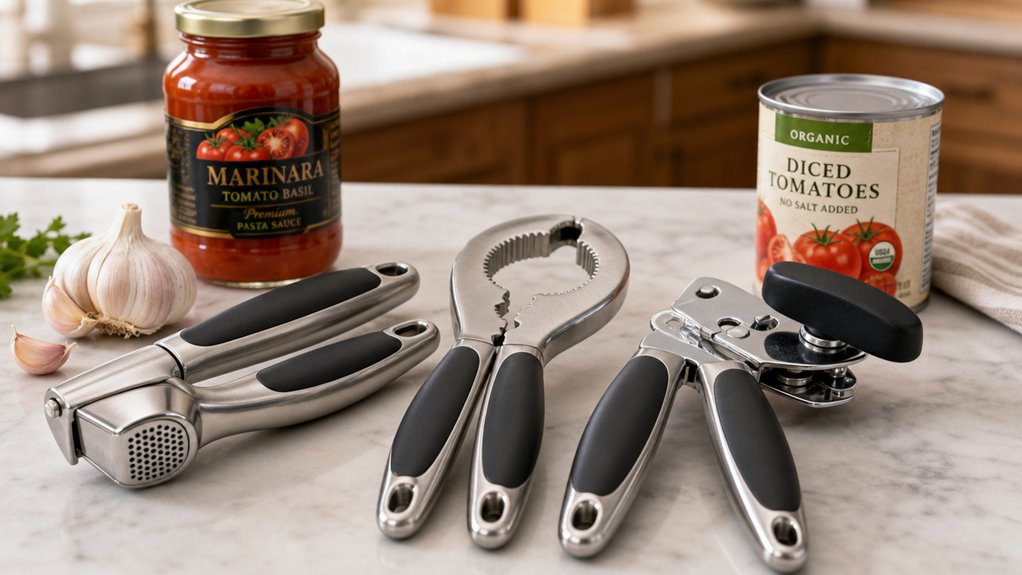
Choosing kitchen tools for limited hand strength depends on matching each tool’s mechanical design to the joints and muscles that remain strongest. Garlic presses, jar openers, and can openers each use different force-transfer principles, so the right pick reduces joint strain without sacrificing function.
- Silicone-coated grip distributes squeeze force across the palm rather than concentrating pressure on finger joints.
- Countertop-clamp jar opener uses a lever mechanism so the user presses down instead of rotating the wrist.
- Ratcheting handle converts small, repeated hand motions into full rotational torque, lowering the force needed per stroke.
A garlic press with a wide silicone-coated grip and a built-in ratchet spreads load across the palm during each squeeze. This design reduces pinch stress on finger joints, which tend to fatigue faster than larger muscle groups in the forearm.
A countertop-clamp jar opener replaces twisting with downward pressure. The lever arm multiplies the applied force, so the wrist stays in a neutral position throughout the motion.
A can opener with a long, ratcheting handle and a sharp, low-friction blade transfers torque through a controlled mechanism rather than raw grip strength. The design shifts load to the forearm and shoulder, though thick or irregular lids can occasionally cause the ratchet to jam.
All three tool categories remain available at budget to mid-range price points, making them accessible options for daily kitchen use.
Cheap or expensive is the wrong question. Cost per use is the honest one. Check out our new Calculator.
Cost-Per-Use Calculator →Lever-based openers cut the grip force a sealed lid demands by roughly half compared with twisting it by hand. That is the whole argument for buying on leverage rather than on grip comfort alone.
Key Points
- Choose garlic presses with wide, cushioned silicone handles and ratchet mechanisms to spread squeeze force into small, low‑effort pushes.
- Opt for jar openers that clamp onto the lid and use a long lever or motorized arm, eliminating twisting and reducing wrist strain.
- Select can openers featuring extended handles, gear‑reduced cranks, or electric motors to convert minimal hand motion into sufficient cutting torque.
- Prioritize tools with non‑slip, soft‑foam or silicone surfaces to increase friction, allowing palm‑strength grip instead of finger pinch.
- Ensure stability features such as suction cups or rubber bases to keep the tool steady, minimizing extra hand pressure during operation.
| OXO Good Grips Jar Opener – Non-Slip Base Arthritis-Friendly | 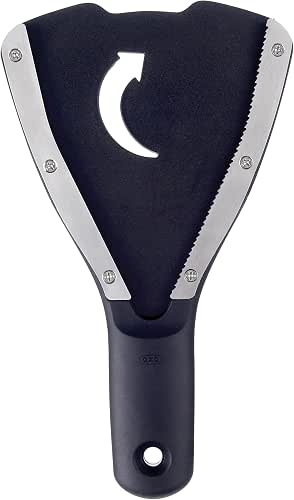 | Arthritis-Friendly | Primary Function: Jar opening | Material (Key Component): Stainless steel teeth | Grip Type: Contoured non-slip handle | VIEW LATEST PRICE | Read Our Analysis |
| OXO Good Grips Manual Can and Bottle Opener |  | Senior-Friendly | Primary Function: Can and bottle opening | Material (Key Component): Stainless steel cutting wheel | Grip Type: Oversized cushioned handle | VIEW LATEST PRICE | Read Our Analysis |
| OXO Good Grips Swivel Vegetable Peeler – Black |  | Effortless Peeler | Primary Function: Peeling | Material (Key Component): Stainless steel blades | Grip Type: Soft oversized handle | VIEW LATEST PRICE | Read Our Analysis |
Links to Amazon are affiliate links. Buying through one costs you nothing extra and helps fund the research.
What Makes Good Arthritis Kitchen Tools for a Weaker Grip
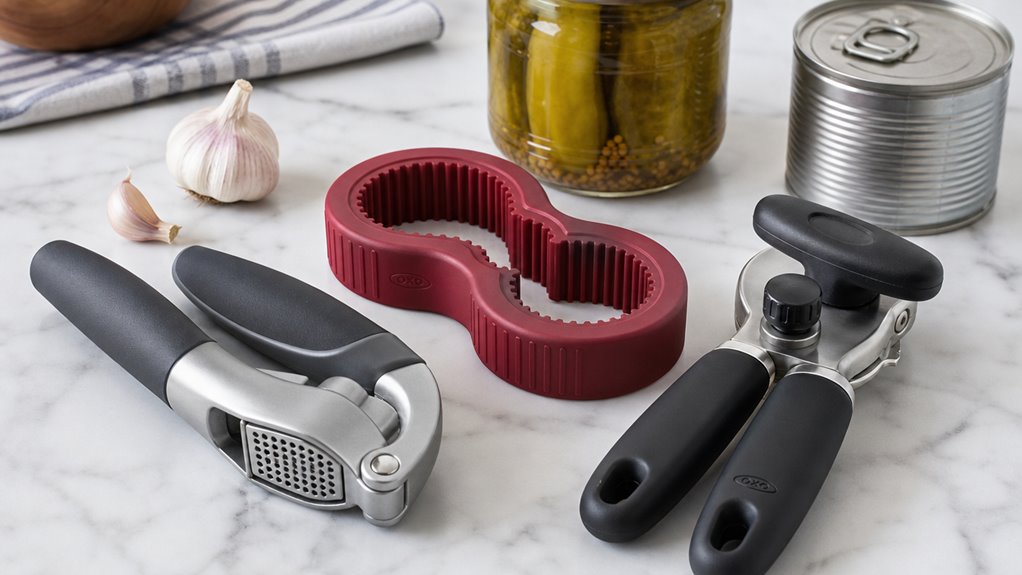
Good arthritis kitchen tools reduce hand strain by combining ergonomic handle design with low-force mechanical advantage, so weaker or inflamed joints can still complete everyday cooking tasks without prolonged discomfort.
A wide, cushioned handle spreads pressure across the full palm rather than concentrating stress on individual finger joints, which reduces the squeeze force each grip requires.
Low-force mechanisms, such as lever-style jar openers and rocking knives, convert a small hand motion into a larger working force, meaning the user contributes less effort to achieve the same result.
Thin, hard handles work against this principle by focusing load onto narrow joint surfaces, accelerating fatigue and strain during repeated use.
Understanding the design features behind these tools helps explain which choices hold up across a full range of kitchen tasks.
The silicone grip on a jar-opener pad raises friction against the lid, so it turns with less squeeze force than a bare hand needs. That is a different mechanism from the countertop-clamp opener, which removes the twist rather than easing it.
Wide Cushioned Handles and Low-Force Mechanisms
Because the hand has to do less twisting and squeezing, wide cushioned handles become the backbone of any arthritis‑friendly kitchen set.
A wide handle spreads pressure across your palm, so you don’t have to clamp your fingers tightly. The soft foam or silicone tubing adds friction, keeping the tool stable while you work.
Low‑force mechanisms take the strain further: a lever‑assist garlic press uses a long arm to multiply your grip, and a mounted jar opener pivots the lid with a single push, not a twist.
Even a manual can opener with a gear‑reduced crank cuts the torque you must apply. These designs let you finish prep without painful wrist or finger fatigue. Arthritis-friendly kitchen guidance also points to powered chopping as a way around knife work, though a food processor sits well above the $30 ceiling this site works within.
Why a Cushioned Wide Grip Works Where a Thin Handle Strains
Choosing a wide, cushioned grip over a thin handle isn’t just about comfort; it actually changes the mechanics of how your hand works. A larger diameter lets you use a power grip, spreading load across the palm and reducing joint stress. The soft material of a cushioned handle softens hard edges, lowering peak pressure on arthritic spots while still providing enough friction to keep the tool stable. This combination means you need less grip strength to twist or press, and the effort feels smoother.
- Larger diameter → less finger flexion, lower joint load.
- Soft silicone coating → even pressure, less pain.
- High‑friction surface → lower required torque, easier twist.
The result is a tool that works with your hand, not against it. Using a suction cup cheese grater can also keep the device stable, reducing the need for extra hand pressure.
| OXO Good Grips Vegetable Chopper with Easy-Grip Handle |  | Prep-Efficient | Primary Function: Chopping | Material (Key Component): Stainless steel blade | Grip Type: Easy-grip handle | VIEW LATEST PRICE | Read Our Analysis |
| OXO Good Grips Multi-Purpose Scraper and Chopper |  | Multi-Purpose Pro | Primary Function: Scraping and chopping | Material (Key Component): Stainless steel blade | Grip Type: Large ergonomic non-slip handle | VIEW LATEST PRICE | Read Our Analysis |
| OXO Good Grips 11″ Stainless Steel Kitchen Whisk |  | Whipping Pro | Primary Function: Whisking | Material (Key Component): Stainless steel wires | Grip Type: Soft non-slip grip | VIEW LATEST PRICE | Read Our Analysis |
Links to Amazon are affiliate links. Buying through one costs you nothing extra and helps fund the research.
The Garlic Press, Jar Opener, and Can Opener Picks That Help
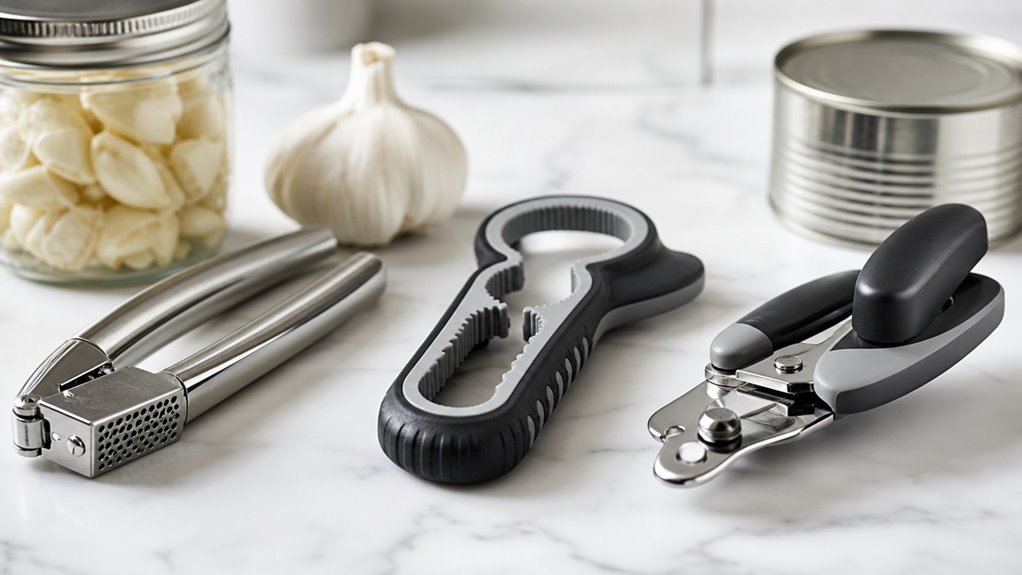
Lever-style garlic presses, gear-assisted jar openers, and low-force electric can openers each reduce the physical demand of common kitchen tasks by using mechanical advantage rather than raw grip strength. A wide, cushioned grip on a garlic press spreads pressure across the hand, so the force needed to press a clove is a fraction of what a traditional squeezer requires. Jar openers address a different challenge, breaking a vacuum seal. A rubber-lined clamp holds the lid while a long handle supplies the turning force, so the arm does the work and the wrist stays neutral. Electric can openers shift the effort away from gripping and twisting entirely, though the battery mechanism adds weight that affects how the tool is handled. The details behind each design reveal which features matter most for different hand strength levels and use cases.
Leverage, Grip, and Effort Across the Three Tools
Pressing a garlic clove feels like a quick squeeze, but the real challenge is the force that builds up in a tiny chamber. A wide, cushioned grip is what keeps that high-force chamber from loading your finger joints. The lever arm on the jar opener spreads torque, while its non‑slip surface keeps the lid from slipping. The can opener picks use a mechanical advantage that turns a guided cut into a low‑effort motion, but the blade can jam on thick lids. 1. Garlic press – compression advantage, short squeeze, limited to soft foods. 2. Jar opener – rotational advantage, wide grip, struggles with ultra‑tight lids. 3. Can opener – guided cutting, low hand load, needs steady alignment. You get real advantage, less grip strain, and predictable effort across all three. The large‑capacity hopper of the OXO Good Grips Stainless Steel press holds up to four cloves, reducing the number of squeezes needed.
Matching Each Tool to the Motion That Is Hardest
After looking at how leverage, grip, and effort play out in each tool, it helps to line them up with the motion that hurts you most. When crushing is your biggest pain point, a garlic press with a wide, cushioned handle and a ratchet mechanism spreads the squeeze into small pushes, so you avoid a single hard crush. If a twist motion taxes your wrist, a jar opener that clamps to the countertop and lets you turn the jar with both arms removes the fine‑motor twist. For cans, a low‑force lever or electric opener takes the pinch and twist out of the equation, letting you press a button instead of wrestle with a lid.
| Motion | Tool | Why it helps |
|---|---|---|
| Crushing | Garlic press | Wide grip, ratchet or rocker leverage reduces squeeze force |
| Twisting | Jar opener | Under‑cabinet or V‑shaped grip lets you use body leverage |
| Pinching | Can opener | Low‑force lever or electric removes pinch torque |
| Repetitive squeezing | Garlic press | Incremental ratchet spreads effort over many small motions |
| Wrist rotation | Jar opener | Adjustable lid gripper lowers required twist motion |
Each of these tools is built around real leverage rather than a flimsy shortcut. The trade‑off is that some lever‑type can openers can be bulkier, but they spare your fingers.
Why the Right Arthritis Kitchen Tools Reduce Daily Strain
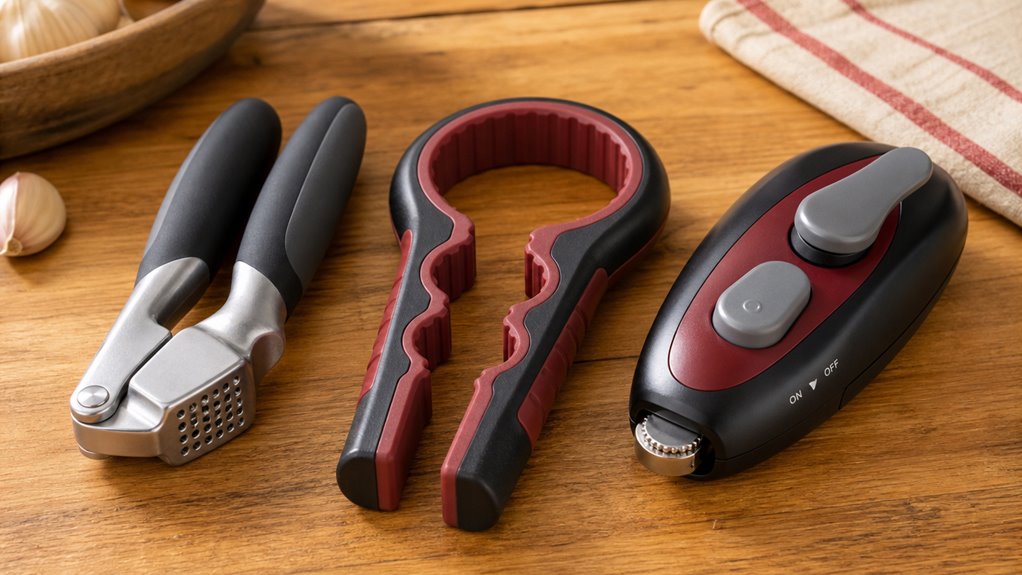
Arthritis kitchen tools reduce daily strain by changing how force is distributed across the hand during common tasks like opening jars or gripping utensils.
A wide, cushioned handle spreads pressure across the palm rather than concentrating it at the fingertips, which makes each motion feel less demanding on inflamed joints. Handle length also plays a role, since a longer grip creates mechanical advantage that converts a modest arm movement into enough torque to replace a tight finger squeeze.
Electric openers remove the grip requirement entirely, transferring the twisting work to a motor and leaving the hand largely passive. Understanding how these design features interact with joint mechanics shapes which tools are likely to deliver meaningful, lasting relief.
Spreading Force, Adding Leverage, and Cutting the Squeeze
Because the hand’s small joints take most of the load in a tight grip, spreading the force across a wider, cushioned handle makes a huge difference.
An ergonomic design that follows the natural curve of your palm shifts pressure from finger joints to stronger forearm muscles.
High‑leverage tools amplify your input, so you twist a jar or crush garlic with far less effort.
You’ll notice three key benefits:
- Wider, silicone‑coated grips – lower pressure, reduce slip.
- Long lever arms and offset pivots – multiply torque, cut squeeze force.
- Sharp, low‑friction cutting edges – finish tasks in one or two presses, limiting repetitive strain.
These features together keep your hand from over‑working, letting you stay in the kitchen without pain.
Why an Electric Opener Spares the Grip That a Manual One Demands
Switching to an electric opener lets the motor do the heavy lifting, so you only need to press a button or guide a light clamp. The electric can opener replaces the twisting motion with a steady rotation that the motor controls, eliminating the peak torque you’d otherwise apply with your fingers.
A jar opener with a motorized clamp does the same for lids, holding the jar steady while a small lever turns the seal. Because the device supplies the force, your small finger joints stay idle, reducing joint loading and the pain that comes from repetitive gripping. You still guide the tool, but the effort drops to a light press, conserving energy for the rest of your day. The only drawback is that you need a power source nearby.
The Features That Separate Helpful Tools From Gimmicks
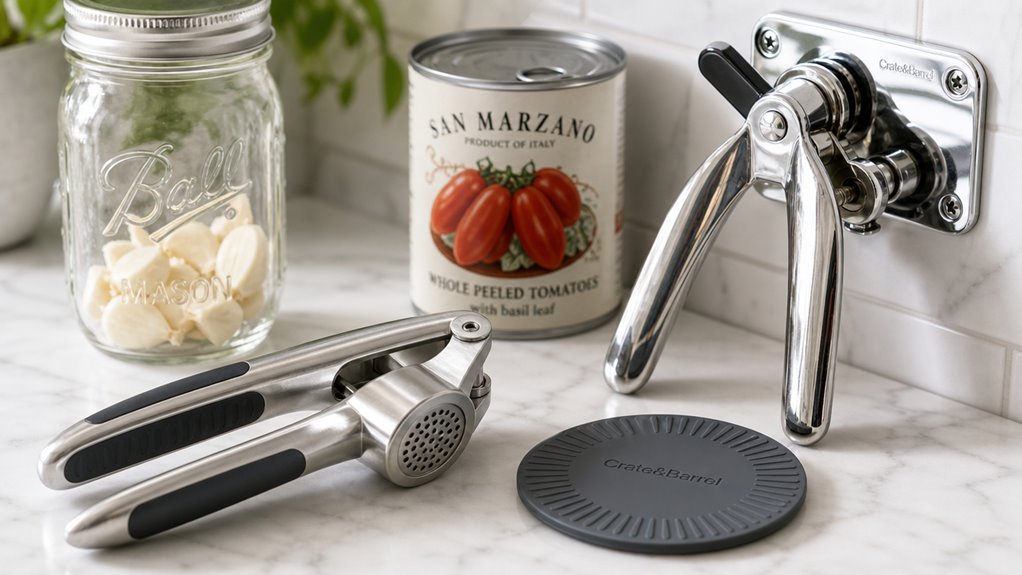
Helpful tools reduce effort through deliberate design, while gimmicks shift the burden back to the user by failing at the structural and ergonomic details that matter most.
A wide, cushioned contact point distributes pressure across the palm, preventing the concentrated pinch that thin, hard handles create during extended use. When grip surface and build quality are treated as afterthoughts, tools slip or break under real conditions, leaving the hands they were meant to support doing compensatory work.
Material choice and handle geometry shape whether a tool performs consistently or deteriorates quickly, and these factors tend to separate durable utility from short-lived novelty. The details behind each of these distinctions reward closer examination.
Sturdy Build, Real Leverage, and Comfortable Contact Points
Grab the tool and feel the difference right away. A sturdy body keeps the press from bending, and the lever mechanics and force multiplication do the heavy lifting for you.
You’ll notice the wide, cushioned grip spreads pressure, so your palm isn’t forced into a narrow edge.
- Heavy‑duty steel construction – resists flex and corrosion, keeping hinges smooth.
- Long, compound levers – multiply your grip, turning a weak squeeze into enough crushing force.
- Rounded, non‑slip handles – stay fixed, reduce peak pressure, and stay comfortable even when wet.
Together those three features let you press garlic, twist jars, or open cans without straining.
The trade‑off is a slightly larger footprint, but the reliability and lower effort outweigh the bulk.
Where a Flimsy Gadget Fails the Hands It Claims to Help
When a gadget promises to save your hands but is built with a thin, hard plastic handle, the lack of friction turns a simple twist into a slipping struggle. You’ll feel the pressure concentrate on a narrow spot, forcing a tighter grip that hurts arthritic joints.
The short lever arm in many cheap garlic presses wastes force, so you must squeeze harder for the same crush. A flimsy jar opener often has a smooth metal clamp; without a non‑slip surface the lid spins, making you repeat the motion until your hand tires.
Even a low‑cost can opener can suffer from loose hinges that flex, draining force transmission efficiency and demanding extra effort. These design flaws make the tool feel like a gimmick rather than a helpful kitchen tool for limited hand strength.
How to Choose Tools That Make Cooking Easier
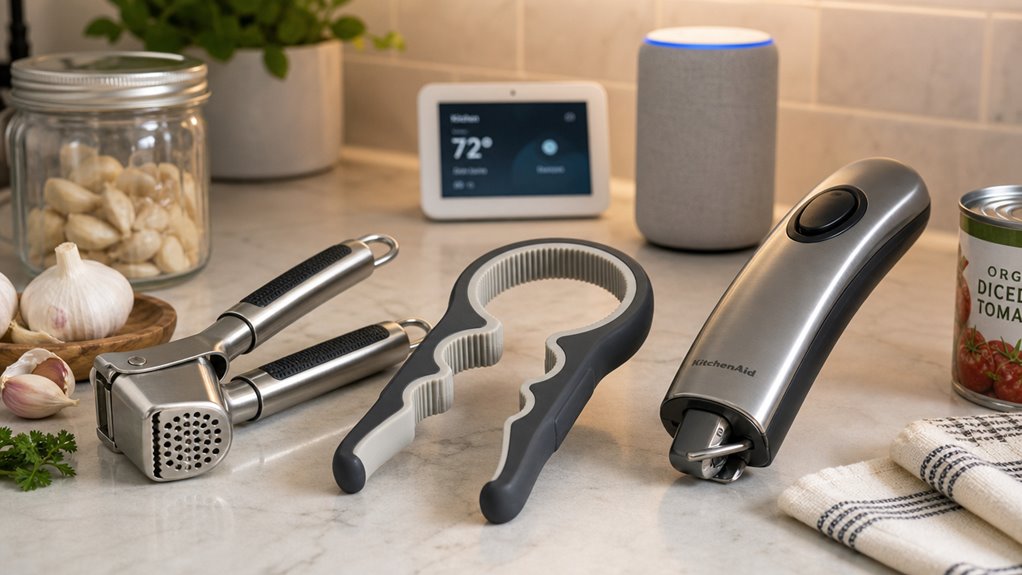
Choosing tools that make cooking easier comes down to grip design, mechanical advantage, and handle geometry. These three features determine how much effort a task actually requires.
A wide, cushioned grip spreads pressure across the palm rather than concentrating it on the fingertips, which reduces fatigue during repetitive tasks like opening jars or cans.
Long handles and gear-assisted mechanisms convert a small motion into enough torque to complete those tasks without excessive force.
Thin, hard handles work against this principle, typically demanding more squeeze force than a well-designed alternative.
The sections ahead cover what to look for across the full range of kitchen tools.
Matching Grip, Leverage, and Effort to Your Needs
Because you’re dealing with limited hand strength, the first thing to check is how the tool’s grip matches the way your hand naturally closes. Look for a wide, cushioned handle that lets you use a power or cylindrical grip instead of a fingertip pinch.
A larger diameter spreads pressure across the palm, and a soft, non‑slip surface reduces the force you need to hold it steady. Mechanical advantage matters too. Long handles and cam‑style mechanisms turn a small squeeze into enough torque to open jars or press garlic without straining your wrist.
- Garlic press – lever‑assisted, wide grip, low squeeze.
- Jar opener – clamp style, whole‑hand grasp, minimal twist.
- Can opener – extended handle, ratcheting gear, one‑hand turn.
Choose tools that let you work with a neutral wrist and avoid thin, hard handles that concentrate stress on a single finger. This approach cuts effort, eases pain, and keeps cooking doable.
Matching Supportive Kitchen Tools to the Under-$30 Ceiling
Gripping and twisting still take most of your effort, so the next step is to see which tools stay under $30 while still giving you the mechanical advantage and cushioned handles you need.
Look for an arthritis friendly can opener with a wide, rubber‑coated crank; the gear‑driven design cuts twisting force in half, but the plastic housing can crack if you drop it.
A jar gripper with oversized silicone pads spreads pressure across your palm, and the adjustable jaw fits everything from spice jars to large sauce bottles; its metal spring may lose tension after a year of heavy use.
Choose mid‑range brands like OXO or KitchenAid, verify a 4‑star rating, and prefer dishwasher‑safe, low‑crevice parts to keep cleaning simple.
These picks balance mechanical advantage, comfort, and durability without breaking the $30 ceiling.
Frequently Asked Questions
Can I Use These Tools With One Hand Only?
Yes, you can operate them with one hand if you pick models that have wide cushioned grips, long lever handles, or electric mechanisms; these designs cut force, give mechanical advantage, and stay stable.
Do the Grips Stay Secure When Hands Are Sweaty?
Soft‑touch silicone, ribbed textures, and wide, cushioned handles keep friction high, so even sweaty palms won’t let the tools slip.
Are the Lever Lengths Adjustable for Different Jar Sizes?
No, most jar openers keep a fixed lever length; they rely on adjustable jaws or bands for size, not changing the handle. The long handle supplies consistent mechanical advantage across all compatible lids.
Will the Electric Opener Work on Both Metal and Glass Lids?
You’ll find that most electric jar openers handle metal screw‑top lids on glass jars, but they won’t cut metal can rims or work on non‑threaded glass lids, so they’re limited to threaded metal lids.
How Do I Clean the Cushioned Handles Without Damaging Them?
Harsh cleaners break down silicone and foam over time, so the grip surface loses friction well before the tool itself wears out. To clean cushioned handles, gently wipe with a damp microfiber cloth and mild soap, then dry with a soft towel.
Conclusion
Each of the three tools answers a different failure of grip. The garlic press spreads the squeeze, the jar opener gives you a lever‑like pivot, and the electric can opener removes the twist entirely. Each one respects the limits of a weaker grip while still getting the job done. Pick the one that matches the motion your hands find hardest, and the rest of the prep stops being the part you dread.
| OXO Good Grips Stainless Steel Spider Scoop and Strain Skimmer,Black |  | Gentle Strainer | Primary Function: Scooping and straining | Material (Key Component): Stainless steel basket | Grip Type: Soft non-slip grip | VIEW LATEST PRICE | Read Our Analysis |
| OXO Good Grips 6.2qt Salad Spinner with One-Touch Pump |  | Salad Savior | Primary Function: Spinning and draining | Material (Key Component): Plastic body, stainless steel basket | Grip Type: Non-skid base, easy-press pump | VIEW LATEST PRICE | Read Our Analysis |
| OXO Good Grips Small Silicone Flexible Turner Black |  | Flexible Turner | Primary Function: Turning and transferring | Material (Key Component): Silicone head, stainless steel | Grip Type: Soft non-slip handle | VIEW LATEST PRICE | Read Our Analysis |
Links to Amazon are affiliate links. Buying through one costs you nothing extra and helps fund the research.

Michael Haralson worked in professional kitchens from 1979 to 1992: San Diego restaurants, six years with a catering company beside an Austrian chef, and two summers as a cook on the Finland to Sweden cruise route. He then built a fifteen-year career at Nokia. It began in product marketing and product management, where technical specifications and supplier evaluation were part of the work, and grew from a few countries to a region to global roles, then into sales and corporate strategy. That took him to Beijing for three years, where he spent many weekends in a different province trying the local food and took cooking classes. He has eaten in more than 40 countries and has been shown the kitchens of restaurants in Southern Europe. At home in Finland he cooks Cantonese, Sichuan and Mediterranean food, and still uses the cast iron skillet he bought in 1992. He is the author of Buy It Once, Book One of The Researched Kitchen, and writes here about the balance between kitchen tools that cost too much and those that fail too soon.