
Deciding which kitchen gadgets to keep requires a three-question filter applied at the point of purchase or decluttering. This filter evaluates redundancy, frequency of use, and build quality before a tool earns drawer space.
- Redundancy determines whether a tool duplicates the function of something already owned, such as a box grater performing the same task as a single-purpose rotary grater.
- Use frequency reveals how often a tool earns its space, with items used fewer than several times a year typically becoming drawer fillers rather than working equipment.
- Build quality signals long-term value through measurable features like sturdy hinges, dishwasher-safe components, and minimal crevices that trap grime.
Redundancy is the first point of failure for most kitchen gadgets. A single-purpose tool that duplicates a multi-use item already in the drawer rarely justifies the space it occupies.
Use frequency provides a concrete measure of value. Counting actual uses over the past 30‑90 days exposes tools that feel useful in theory but sit idle in practice.
Build quality separates tools worth keeping from those that deteriorate quickly. Sturdy hinges, dishwasher-safe parts, and smooth interior surfaces reduce maintenance and extend working life.
A gadget that passes all three checks earns its place. One that fails any single check is a candidate for donation rather than continued storage.
Cheap or expensive is the wrong question. Cost per use is the honest one. Check out our new Calculator.
Cost-Per-Use Calculator →You do not need a study to run this test, and you should not take one on trust either. Count your own: open the drawer, and for each tool ask when you last reached for it. The tools you cannot date are the ones the filter below is for.
Key Points
- Apply the redundancy check: keep only gadgets that perform a function not already covered by existing tools.
- Assess usage frequency by counting uses in the past 30‑90 days; aim for weekly or more regular use.
- Evaluate build quality: prioritize sturdy materials, reliable hinges, and designs that avoid crevices.
- Favor dishwasher‑safe or easily brush‑cleanable gadgets to reduce maintenance effort.
- Choose items with serviceable parts, clear manuals, and replacement part availability for long‑term durability.
| 5-in-1 Stainless Steel Cooking Spoon Tool |  | Stainless-Steel Versatile | Function Count: 5-in-1 | Primary Material: 304 stainless steel | Ergonomic Handle: Yes (non-slip ergonomic handle) | VIEW LATEST PRICE | Read Our Analysis |
| Joseph Joseph Uni-tool 5-in-1 Silicone Kitchen Utensil – Grey |  | Space-Saving Multi-Tool | Function Count: 5-in-1 | Primary Material: Nylon and silicone | Ergonomic Handle: Yes (silicone grip) | VIEW LATEST PRICE | Read Our Analysis |
| 4-in-1 Can and Bottle Opener Set (2 Pack) |  | Dual-Pack Convenience | Function Count: 4-in-1 (2-pack) | Primary Material: Stainless steel and plastic handle | Ergonomic Handle: Yes (special ergonomic handle) | VIEW LATEST PRICE | Read Our Analysis |
Links to Amazon are affiliate links. Buying through one costs you nothing extra and helps fund the research.
The Three Questions That Reveal Kitchen Gadgets to Avoid
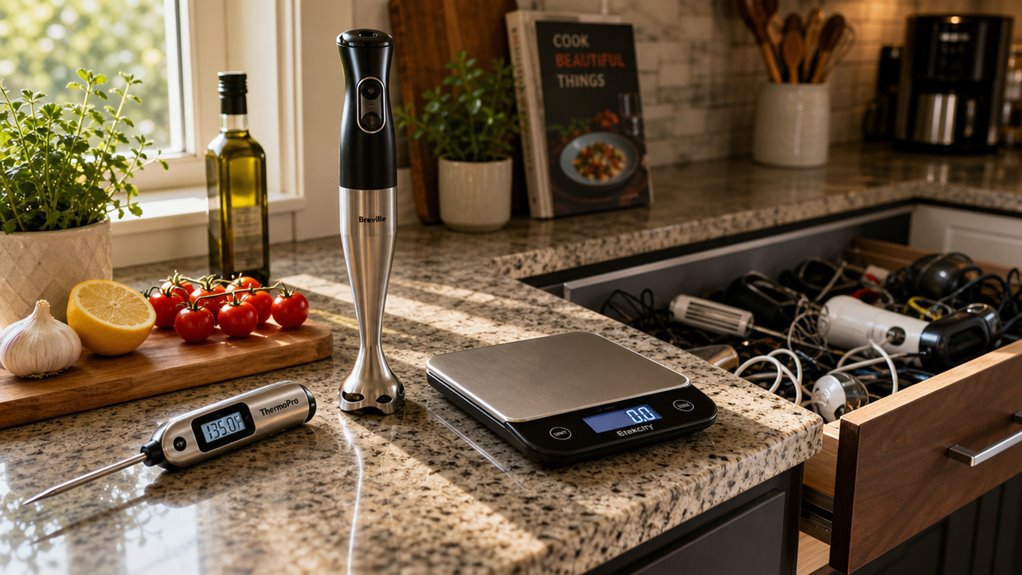
Three diagnostic questions help identify kitchen gadgets worth keeping versus those that create clutter without earning their space.
The first question targets single-use redundancy: whether a gadget performs a narrow task already handled by a knife or grater.
The second weighs realistic frequency of use, since a tool that rarely leaves the drawer rarely justifies the drawer space it occupies.
The third examines construction quality, focusing on hinge integrity and whether crevices and joints allow thorough cleaning without persistent buildup.
Together, these criteria shift purchasing decisions from impulse to a repeatable standard that holds across gadget categories.
The sections ahead explore how each question applies in practice. Metal cutting boards are especially problematic because they dull and damage blades, increasing the need for frequent sharpening.
A Simple Filter for Keep, Demote, or Donate
When you’re standing at the checkout with a shiny gadget in hand, pause and run it through three quick questions.
First, ask if a tool you already own does the same job; a single‑task gadget that duplicates a box grater or a chef’s knife fails this redundancy check.
Second, consider the frequency of use. Count how many times you’ve used it in the past 30‑90 days; anything used less than a few times a year should be demoted.
Third, evaluate build quality: is it solid enough to survive daily handling, or does it have flimsy hinges that snap?
If it passes all three, keep it; if it fails any, demote or donate before it clutters your drawers.
Consider whether the gadget can serve multiple people or purposes, as versatile items tend to stay useful longer.
Why Three Questions Beat a Gut Feeling Every Time
If you pause before you reach for a new gadget and ask whether a tool you already own can do the same job, you’ll instantly see how many “must‑haves” are really just duplicates.
A quick redundancy check filters out avocado slicers, rotary graters, or single‑use novelty items that a sharp knife or box grater already handles.
Next, ask will this be used weekly. Items that only appear for a specific recipe, like egg bite makers or chocolate fountains, spend most of their life in the junk drawer.
Finally, consider durability: cheap plastic hinges snap, while stainless steel or wood lasts.
Pass all three, and you keep a tool; fail any, you demote or donate it. This repeatable filter beats gut feeling every time. Dual‑purpose tools are especially valuable because they replace multiple single‑use gadgets.
Question One: Does a Tool I Already Own Do This?
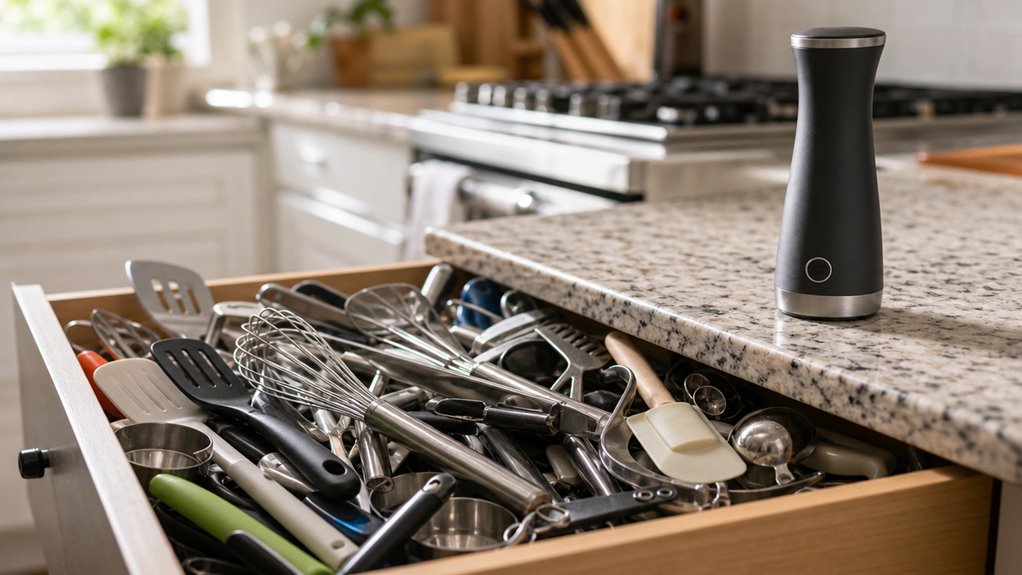
The redundancy check determines whether a tool you already own can perform the same job as the one you’re considering adding to your kitchen. Most gadgets fail this test not because they’re poorly made, but because an existing tool covers the same function without any meaningful loss in results.
A box grater, for instance, handles cheese, vegetables, and citrus zest across multiple grating surfaces, which means a rotary grater, limited to a single narrow task, adds little practical value to a kitchen that already has one.
Overlapping function is the core problem redundancy screening is designed to catch, and recognizing it early prevents clutter from accumulating around tools that rarely earn their drawer space.
The considerations that follow clarify how to apply this check across a range of kitchen tools.
The Redundancy Check That Catches Most Gadgets
You’ll quickly spot a gadget that merely mirrors a tool you already have, because the redundancy check forces you to compare its function against your existing knife, box grater, or food processor.
A redundant tool usually adds nothing beyond what your chef’s knife can already do, so you skip it. The filter is simple: ask yourself, “Do I already own this capability?” If the answer is yes, the gadget fails the first question and gets demoted.
- Handheld avocado slicer – duplicates a chef’s knife’s cut.
- Mini‑herb chopper – same result as a knife and board.
- Single‑purpose citrus zester – box grater already zests.
- Electric egg‑poacher – a saucepan of simmering water poaches eggs just as well.
Apply this check before checkout; it cuts clutter and saves space.
Why a Box Grater Answers the Redundancy Question That a Rotary Grater Fails
A box grater instantly clears the redundancy check because it already does the jobs a rotary grater promises. You can shred cheese, zest citrus, grate carrots, and make breadcrumbs with four surfaces on one sturdy frame. The rotary grater adds a drum that only handles one texture at a time, so you’ll end up buying extra drums or a separate zester for tasks the box grater already masters. Its moving parts also mean more wear and harder cleaning. In your kitchen, the box grater replaces several single‑purpose tools, keeping drawers tidy and your budget intact.
| Feature | Box Grater | Rotary Grater |
|---|---|---|
| Surfaces | 4 (coarse, fine, zest, slice) | 1 per drum |
| Food Types | Cheese, veg, chocolate, zest, butter | Hard cheese mainly |
| Capacity | Large blocks directly over bowl | Small chunks, hopper |
| Maintenance | Simple brush clean | Drums trap moisture |
| Longevity | No moving parts | Mechanical wear points |
How the Questions Separate Keepers From Kitchen Gadgets to Avoid
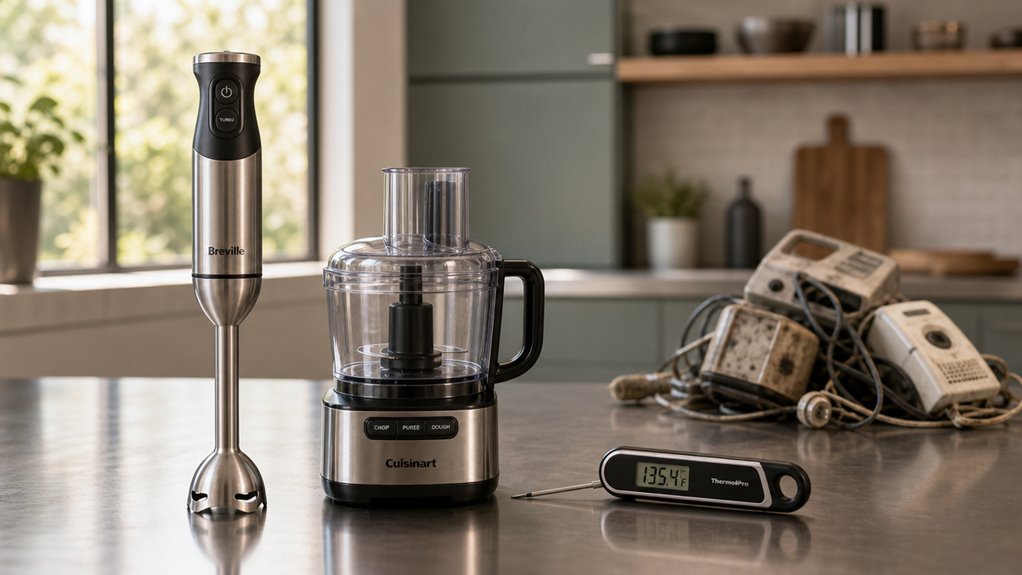
A three-question filter separates kitchen gadgets worth keeping from those that waste drawer space by testing each tool against redundancy, frequency of use, and build quality. Ease of cleaning is one of the clearest markers of build quality, which is why it surfaces alongside the other two.
A can opener used daily clears the frequency threshold with no difficulty, while a cherry pitter that sits idle after a single season fails on both use and redundancy.
Cleaning difficulty adds a third layer, flagging tools whose design makes maintenance a recurring hassle regardless of how often they get used.
Together, these criteria create a fast, consistent evaluation that can run at the point of purchase before a gadget ever enters the kitchen.
The sections that follow examine how each criterion applies across different tool types.
Frequency, Redundancy, and Cleanup in One Pass
Often the three‑question filter weeds out the junk before it even reaches your cart. You ask yourself: does it duplicate a high‑use tool? How often will you actually pull it out? Can you clean it without a marathon? If the answer to any is no, it stays on the shelf.
- Box grater – cuts, zest, shreds; dishwasher‑safe; but its heavy base eats drawer space.
- Kitchen shears – snip herbs, open packages, trim meat; one‑piece design; the joint can rust if left wet.
- Multi‑cookers – replace slow cooker, pressure pot, steamer; programmable; the sealing ring needs regular replacement.
- Silicone spatula – non‑stick, flexible; easy to rinse; the thin edge can melt on high heat.
These four illustrate how frequency, redundancy, and cleanup effort converge in a single pass.
Why a Can Opener Passes the Frequency Question That a Cherry Pitter Fails
Most kitchens reach for a can opener multiple times a week, while a cherry pitter barely sees the light of day after the spring harvest. The can opener answers the frequency question because canned goods are pantry staples you pull year‑round; you’ll open beans for soup, tomatoes for sauce, even juice cans for a cocktail. The cherry pitter, by contrast, only shines during a six‑week cherry window and can be replaced by a knife or a simple tool.
| Gadget | When you actually reach for it |
|---|---|
| Can opener | Year-round, whenever a tin is in the pantry |
| Cherry pitter | A few weeks a year, if cherries are in season where you live |
| Multi-tool with opener | Often, though it is more awkward and less safe than a dedicated opener |
Those are patterns, not counts. Run the same question against your own drawer, because your cooking decides the answer, not an average.
You’ll notice the can opener’s build is sturdy, while the pitter’s plastic hinge often snaps after a few seasons. The frequency filter therefore keeps the opener and demotes the pitter.
Question Three: Is It Built to Last or to Break?
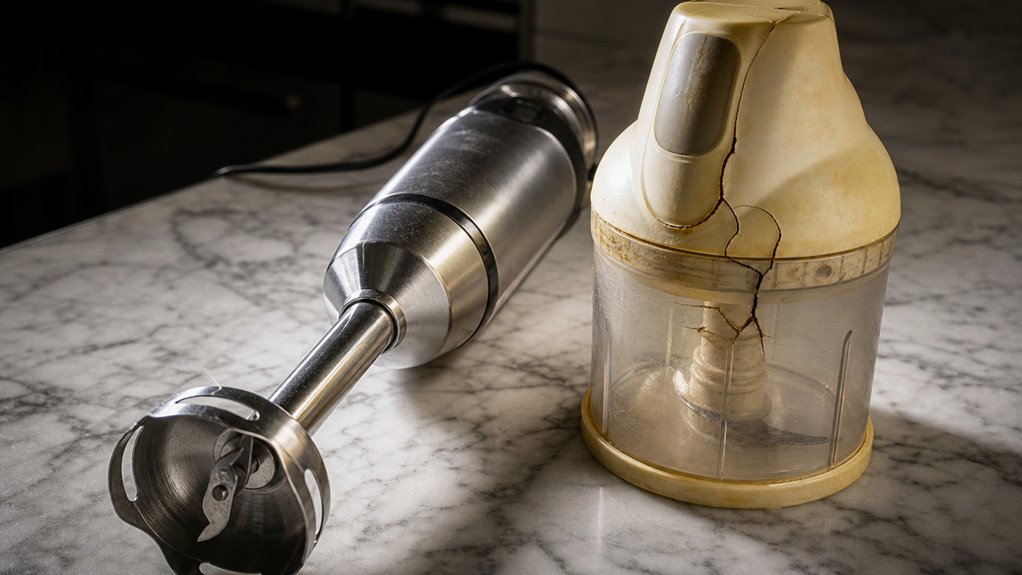
Durability in kitchen gadgets depends heavily on the materials and construction methods used, with stainless-steel bodies, metal gear trains, and cast-iron bases consistently outlasting plastic-cased alternatives because they resist corrosion, denting, and everyday wear.
Thin plastic hinges and designs built around many moving parts tend to introduce points of failure that surface within a few years of regular use.
A screw-fastened construction makes a tool easier to service and repair, and spare-part availability from the manufacturer extends working life significantly.
Choosing a gadget with straightforward mechanical design rather than one dependent on fragile components is often the most reliable way to avoid premature replacement. The sections ahead examine what separates long-lasting construction from disposable design in greater detail.
Reading Materials and Moving Parts for Longevity
Check the manual and look for a maintenance schedule, parts diagram, and troubleshooting guide; those details usually mean the gadget was designed to last. Good documentation spells out cleaning steps for stainless or glass, safe-use limits, and replacement part numbers. Those docs, plus moving parts that use ball bearings or metal gears, signal a product built for repeated use rather than a disposable novelty.
- Ball or roller bearings replace plastic bushings, cutting wear on hinges and mixers.
- Metal gear trains resist stripping under torque, unlike cheap plastic gears.
- Accessible lubrication points keep high‑speed bearings cool and long‑lasting.
- Standard Phillips or Torx fasteners let you replace a blade or motor without special tools.
Where a Gadget’s Plastic Parts Give It Away
When a kitchen gadget’s plastic parts start to melt, warp, or crack, the flaw shows up long before you even notice a performance dip.
You’ll see a plastic mechanism that feels flimsy, seams that flash, or a handle that softens after a few hot‑pan runs. Those signs usually mean the build quality is low.
Check if the item uses food‑grade silicone or metal at contact points; otherwise the plastic will degrade at 350°F, warping or bubbling.
Thin, glossy housings or black recycled‑plastic utensils often crack at hinges or thin arms under modest pressure. If you hear creaking or see whitening at stress points, the gadget isn’t built to last.
Choose tools where the plastic is limited to cool‑touch handles and reinforced with sturdier materials.
How to Use the Three Questions Before You Buy
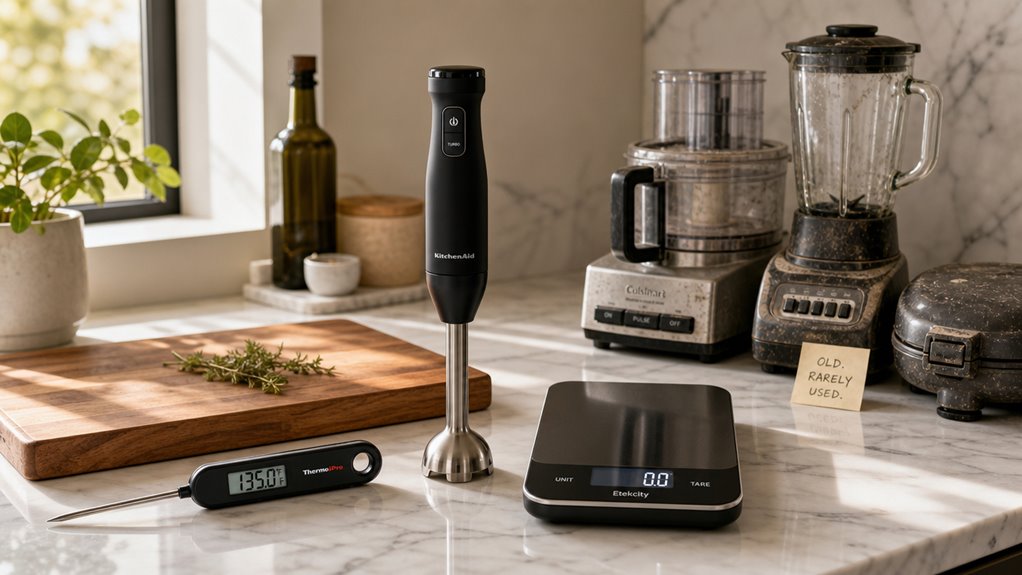
The three questions work as a quick filter that separates useful kitchen gadgets from clutter: does a tool you already own do the job, will it earn regular use, and is the build quality worth keeping.
Redundancy comes first because a cramped kitchen has little tolerance for a second tool that does a job an existing one already covers.
Frequency of use is the second checkpoint, since a gadget pulled out only once or twice a year rarely justifies the shelf space it occupies.
Build quality closes the evaluation. Solid handles and a sturdy hinge signal durability, while a flimsy plastic latch is a reliable sign the item will fail under normal kitchen conditions.
Each factor connects to broader principles that reward closer attention.
Stopping Clutter at the Checkout Instead of the Drawer
You can cut the clutter before it even reaches the kitchen drawer by running every new gadget through three quick questions at checkout. This checkout filter lets you decide which kitchen gadgets to keep and which to reject, right at the point of purchase.
It’s a simple habit that stops the drawer from becoming a junk zone.
- Redundancy – Does a tool you already own do the same job?
- Frequency – Will you reach for it at least weekly?
- Build – Is it made of solid material and easy to clean?
- Fit – Does it fit your countertop or storage space without forcing a compromise?
Apply the three questions, plus a quick check that it fits your space, and you’ll walk out with only the truly useful items.
Matching Worth-Keeping Tools to the Under-$30 Ceiling
If you limit yourself to gadgets under $30, the three‑question filter becomes a quick sanity check at checkout.
First, ask if a tool you already own can do the job; a box grater, for example, handles zesting, shredding, and slicing, so a rotary grater fails redundancy.
Second, gauge how often you’ll reach for it. Weekly use of a silicone spatula or instant‑read thermometer justifies the price, while a banana cutter used monthly or less slips into “avoid.”
Third, inspect build quality; stainless‑steel peelers and cast‑iron pans survive years, but thin‑plastic slicers crack after a few washes.
Applying these steps lets you focus on kitchen gadgets worth keeping and teaches you how to avoid wasting money on gadgets.
Frequently Asked Questions
How Do I Compare Gadget Prices Without Breaking My $30 Limit?
You compare by checking the base price, subtracting taxes and shipping, and ensuring the total stays under $30; use price‑comparison tools, set a $28‑$29 buffer, and ignore bundles or premium alternatives.
Can a Gadget Replace Multiple Existing Tools?
Yes. A single versatile gadget can replace a whole drawer of tools. A box grater shreds, zests, and slices, and a chef’s knife dices, chops, and fillets, saving space and money.
What Material Indicates a Gadget Will Outlast a Year?
You should look for thick‑gauge metal, full‑metal bodies, riveted joints, or uncoated stainless steel, cast iron, or carbon steel. These materials signal durability and will likely outlast a year.
Does the Gadget Require Special Cleaning or Maintenance?
If it needs special cleaning or maintenance, you’ll spend extra time and effort, so you should either avoid it or make certain you have the right tools and schedule to keep it functional.
Are There Any Safety Concerns With This Kitchen Tool?
Yes, you must check for sharp edges, hot‑surface exposure, and electrical integrity; a dull knife can slip, a loose cord can spark, and a flimsy grip can cause burns or cuts.
Conclusion
You’ve got a simple filter now: check if you already own it, gauge how often you’ll actually use it, and see if it’s built to survive daily wear. If it passes, it earns a spot on the counter; if not, it stays in the junk drawer. Think of it like a sieve that lets only the useful bits through, keeping your kitchen uncluttered and your wallet intact.
| 2-in-1 Multifunctional Vegetable Peeler with Wooden Handle |  | Julienne-Peel Combo | Function Count: 3-in-1 | Primary Material: Stainless steel and wood | Ergonomic Handle: Yes (wooden ergonomic handle) | VIEW LATEST PRICE | Read Our Analysis |
| Stainless Steel 2-in-1 Vegetable Julienne Peeler | 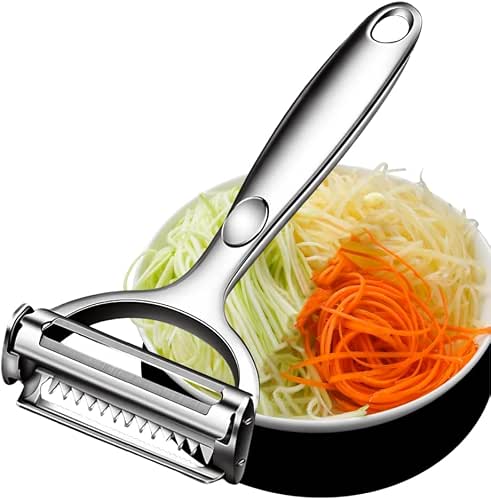 | Ambidextrous Julienne | Function Count: 2-in-1 | Primary Material: Stainless steel | Ergonomic Handle: Yes (non-slip comfortable handle) | VIEW LATEST PRICE | Read Our Analysis |
| Jar Opener for Arthritis Hands – 5-in-1 Multi-Function | 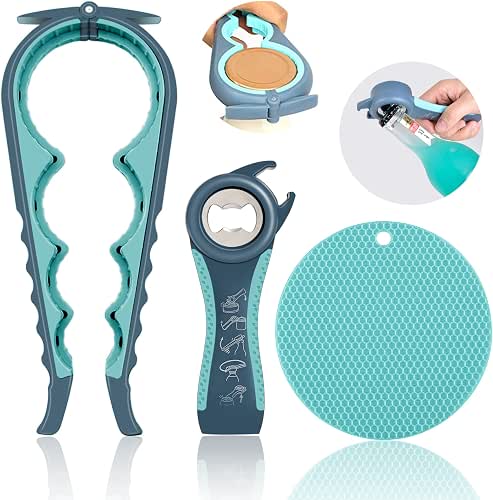 | Arthritis-Friendly Opener | Function Count: 5-in-1 (plus 4-in-1 jar opener) | Primary Material: Plastic (ergonomic handles) and silicone pad | Ergonomic Handle: Yes (long, non-slip handles) | VIEW LATEST PRICE | Read Our Analysis |
Links to Amazon are affiliate links. Buying through one costs you nothing extra and helps fund the research.

Michael Haralson worked in professional kitchens from 1979 to 1992: San Diego restaurants, six years with a catering company beside an Austrian chef, and two summers as a cook on the Finland to Sweden cruise route. He then built a fifteen-year career at Nokia. It began in product marketing and product management, where technical specifications and supplier evaluation were part of the work, and grew from a few countries to a region to global roles, then into sales and corporate strategy. That took him to Beijing for three years, where he spent many weekends in a different province trying the local food and took cooking classes. He has eaten in more than 40 countries and has been shown the kitchens of restaurants in Southern Europe. At home in Finland he cooks Cantonese, Sichuan and Mediterranean food, and still uses the cast iron skillet he bought in 1992. He is the author of Buy It Once, Book One of The Researched Kitchen, and writes here about the balance between kitchen tools that cost too much and those that fail too soon.