“Buy It For Life” refers to products designed to remain functional for decades without replacement, relying on durable materials, repairable construction, and coatings or finishes that resist degradation. These products avoid planned obsolescence by keeping their design simple and their components serviceable.
- Single-material construction reduces failure points by eliminating layered or bonded components that separate over time.
- Lifetime warranties cover manufacturing defects but typically exclude normal wear, warping, or coating loss, making physical durability more reliable than warranty language.
- Victorinox Fibrox-handle knives qualify as budget BIFL tools because their single-material blade accepts repeated sharpening without losing structural integrity.
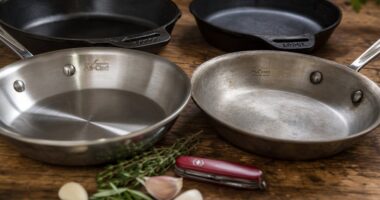
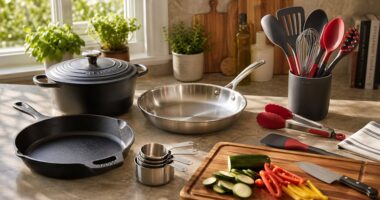
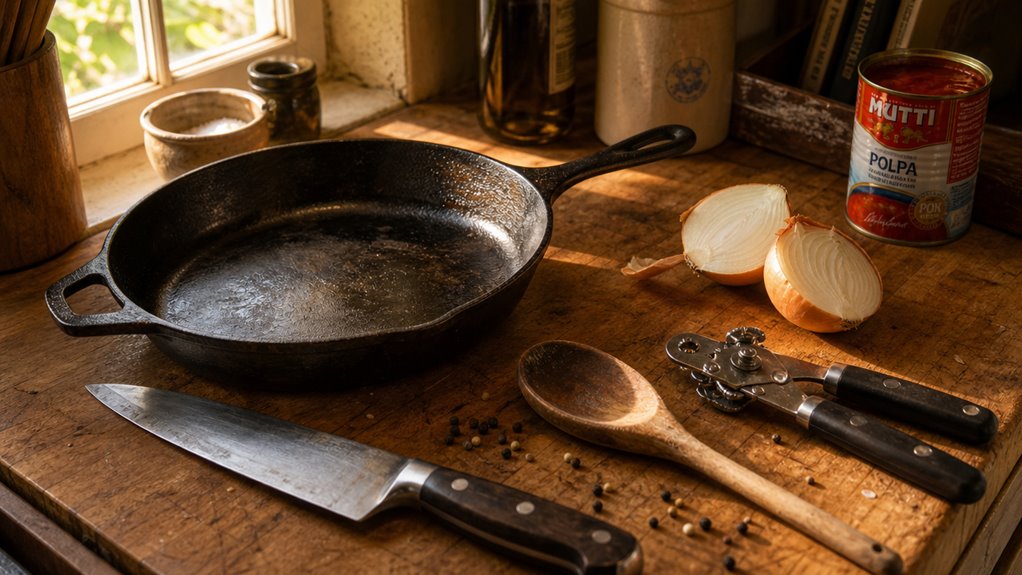
A cast-iron skillet meets BIFL criteria through simple construction and a restorable surface. The skillet requires periodic oiling to prevent rust, but that maintenance replaces the need for any factory coating. Re-seasoning restores the cooking surface without professional repair or part replacement.
Budget tools qualify for BIFL status when they share three traits: one sturdy material, simple mechanical fasteners, and a surface that responds to basic maintenance. A Victorinox Fibrox knife sharpens back to a functional edge with standard equipment. A cast-iron skillet rebuilds its seasoning layer through normal cooking use.
Repairable joints and absence of peel-off coatings matter more than price tier when evaluating long-term durability. A tool that accepts sharpening, oiling, or re-seasoning stays in service through user effort rather than manufacturer support.
Cast iron cookware from the early twentieth century is often still in active daily use, which shows that well-maintained single-material cookware can stay functional for over a century.
Cheap or expensive is the wrong question. Cost per use is the honest one. Check out our new Calculator.
Cost-Per-Use Calculator →Key Points
- BIFL means a product is built from a single, robust material that resists warping, rust, and wear without relying on warranty claims.
- True durability comes from design choices such as thick walls, welded joints, and repairable fasteners, not from marketing promises.
- Lifetime warranties cover only manufacturing defects and often exclude normal wear, whereas BIFL tools stay functional through regular maintenance.
- Budget tools qualify for BIFL when they have single‑material construction, removable or tightenable parts, and no fragile coatings.
- Evaluating low‑cost tools for BIFL status includes checking material grade, wall thickness, standard fasteners, and availability of repair guides.
| 6‑Inch Cast Iron Skillet – Pre‑Seasoned Oven‑Safe Grill‑Ready |  | Budget-Friendly Pick | Material: Cast iron | Pre‑Seasoned Surface: Pre‑seasoned with vegetable oil | Oven‑Safe: Oven‑safe (primary spec) | VIEW LATEST PRICE | Read Our Analysis |
| Lodge 6.5″ Cast Iron Skillet – PFAS‑Free Non‑Toxic |  | Professional Grade | Material: Cast iron | Pre‑Seasoned Surface: Pre‑seasoned with natural vegetable oil | Oven‑Safe: Oven‑safe | VIEW LATEST PRICE | Read Our Analysis |
| Utopia Kitchen Pre-Seasoned Cast Iron Skillet with Lid (10″) |  | Most Versatile | Material: Cast iron | Pre‑Seasoned Surface: Pre‑seasoned (additional seasoning recommended) | Oven‑Safe: Oven‑safe | VIEW LATEST PRICE | Read Our Analysis |
Links to Amazon are affiliate links. Buying through one costs you nothing extra and helps fund the research.
Why a Lifetime Warranty Kitchen Promise Is Not the Same as Buy It For Life
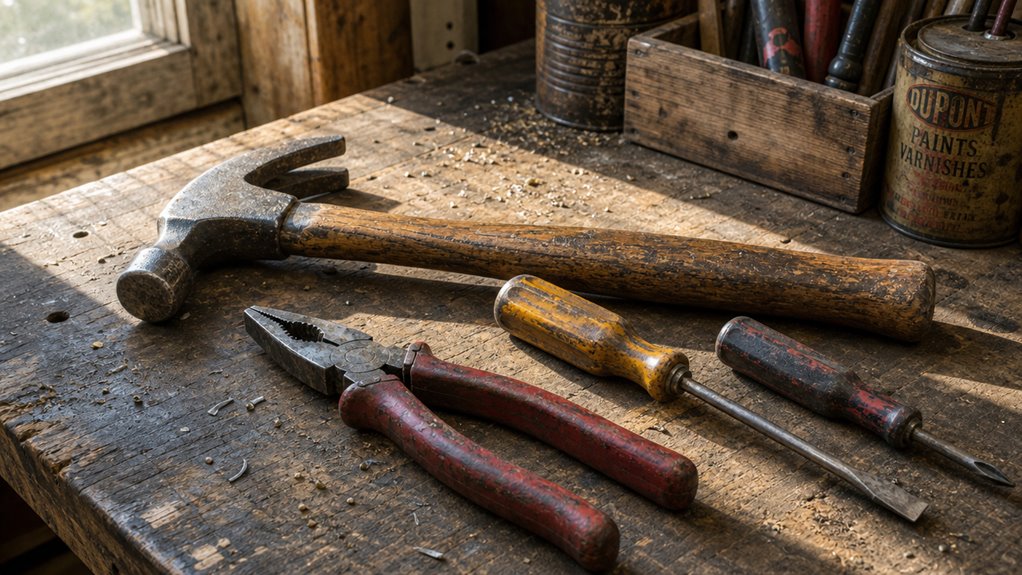
A lifetime warranty and a Buy It For Life kitchen tool aren’t the same thing, even though both promise long-term reliability. A lifetime warranty is a conditional guarantee that activates only when a defect appears, requiring paperwork and a formal claim process before any resolution occurs.
A genuinely durable kitchen tool, by contrast, is built from materials and joint designs that resist warping, rust, and dulling through everyday wear, so a claim never becomes necessary. The distinction matters because warranty coverage depends on manufacturer terms that can shift, while material quality and construction integrity are fixed at the point of manufacture. Understanding how those two promises differ shapes every purchase decision worth making.
Durability You Never Have to Claim Versus a Promise You Hope to Use
When a kitchen tool lasts without you ever needing to file a claim, that durability is built into the product, not promised on paper. You’ll notice the difference when the pan never warps, the knife never chips, and you never chase a warranty form. A lifetime warranty is a legal safety net, while true durability means the material and joint design survive daily heat, chopping, and cleaning. Repairability adds value—if a handle loosens, you can re‑secure it instead of starting a claim. The table below shows how these ideas compare.
| Aspect | Warranty focus | BIFL focus |
|---|---|---|
| Coverage | Defects only | Whole‑life use |
| Exclusions | Wear, misuse | None |
| Claim process | Paperwork, proof | None needed |
| Materials | Thin, cheap | Thick, single‑material |
| Repairability | Rarely offered | Designed for fixes |
You get fewer headaches, less downtime, and a tool that simply works. Consider the long‑term cost when choosing between a cheap, replaceable item and a durable, repairable one.
What Buy It For Life Really Asks of a Tool
The previous section showed how a pan that never warps lets you skip the warranty entirely; this one looks at what “Buy It For Life” actually demands of a kitchen tool.
A BIFL kitchen item must earn its durability, not lean on legal wording. It should be forged from a single, robust material, with no flimsy coating that peels after a few seasons.
Repairability and modular design matter: a blade you can sharpen, a handle you can replace, a hinge you can tighten without discarding the whole piece.
The construction needs to be over‑built, with thick walls and solid joints that tolerate heat, moisture, and impact.
Lifetime warranties often cover only defects, excluding normal wear; BIFL expects the tool to keep performing for decades with minimal fuss.
Lodge cast‑iron skillets and Victorinox stamped knives meet these criteria while staying under $30.
| 8 Inch Round Medium Pre-Seasoned Cast Iron Skillet |  | Best Durability | Material: Cast iron | Pre‑Seasoned Surface: Pre‑seasoned (proprietary oil blend) | Oven‑Safe: Oven‑safe | VIEW LATEST PRICE | Read Our Analysis |
| 10‑Inch Cast Iron Skillet with Pour Spouts Natural Nonstick |  | Best For Beginners | Material: Cast iron | Pre‑Seasoned Surface: Unseasoned (requires initial seasoning) | Oven‑Safe: Oven‑safe (any temperature) | VIEW LATEST PRICE | Read Our Analysis |
| Pre-Seasoned Cast Iron Skillet 5 Inch Mini Deep Pan with Handle Black |  | Compact Choice | Material: Cast iron | Pre‑Seasoned Surface: Pre‑seasoned natural non‑stick | Oven‑Safe: Oven‑safe | VIEW LATEST PRICE | Read Our Analysis |
Links to Amazon are affiliate links. Buying through one costs you nothing extra and helps fund the research.
What a Lifetime Warranty Kitchen Claim Actually Covers
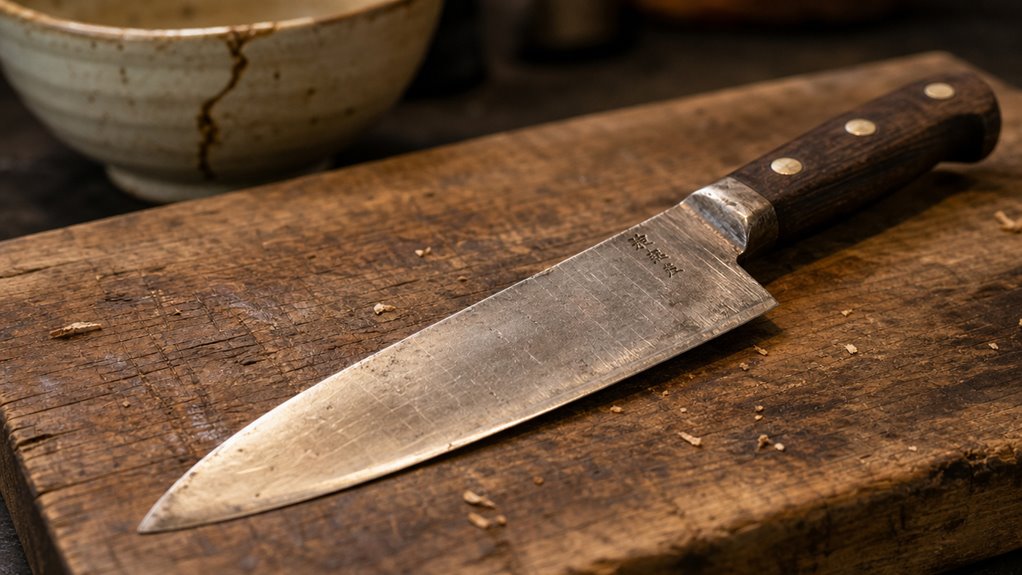
A lifetime warranty on kitchen cookware covers manufacturing defects — such as a cracked handle or a failed seam — not the gradual deterioration that results from regular cooking use.
Most warranty terms explicitly exclude warping, surface scratches, and non-stick coating loss, classifying these as ordinary wear and tear rather than production flaws.
Care instructions play a direct role in whether a claim is honored, since overheating a pan, using metal utensils on a coated surface, or running cookware through a dishwasher typically voids coverage under misuse provisions.
Understanding what qualifies as a defect versus expected degradation shapes whether a warranty claim succeeds or fails before a single form is submitted. The details behind each of these distinctions matter more than most buyers realize.
Choosing products with robust construction helps ensure the warranty remains valid over the long term.
Defects, Exclusions, and the Misuse Clauses That Deny Claims
If you read the fine print on a kitchen‑ware lifetime warranty, you’ll see it’s really a promise against defects, not a guarantee that any broken pan will be swapped out.
A limited lifetime warranty typically covers material or workmanship flaws, not the everyday wear that comes from cooking. The misuse clause lets the maker deny a claim if you overheat a pan, use it on a commercial stove, or scratch the surface with metal utensils.
Scratches, stains, discoloration, and overheating damage are usually excluded, as are cosmetic blemishes that don’t affect function.
In practice, you’ll get a repair or replacement only when a factory defect appears, not when normal use or an accident renders the tool unusable. Who counts as the owner also matters, and it varies. Lodge’s published warranty names both the original individual purchaser and a person who received the piece as a gift. Most warranties are narrower than that and run to the original purchaser only, so do not assume a gifted or second-hand item is covered: check the wording for that specific brand before you rely on it.
Why Warping and Wear Usually Fall Outside the Fine Print
Because most lifetime warranties are written as defect‑only promises, they stop covering a pan the moment it warps from overheating or shows normal wear. You’ll find that “normal wear and tear” and “warping” are routinely listed as exclusions, so the fine print protects the manufacturer, not you. Brands like KitchenAid explicitly deny damage from overheating, and most warranties only act on defects present at purchase. If a pan’s base bows after a high‑heat sear, the claim falls outside the promised coverage. Likewise, scratches or discoloration from regular cooking won’t trigger a replacement. Understanding these limits helps you pick truly durable, single‑material tools that won’t rely on a warranty loophole.
| Issue | Typical Warranty Treatment |
|---|---|
| Defects in material | Covered |
| Defects in workmanship | Covered |
| Warping from overheating | Excluded |
| Normal wear and tear | Excluded |
How Buy It For Life Is Earned Rather Than Marketed
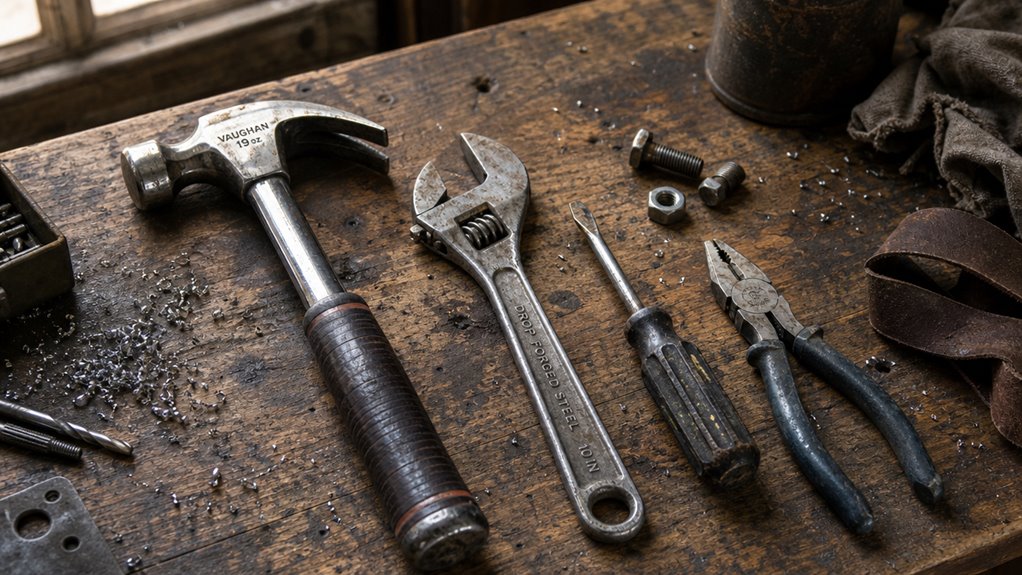
Buy-it-for-life durability is earned through construction choices that prevent failure rather than through warranty language that manages it after the fact. Single-material products — such as cast-iron cookware or stainless-steel knives — hold their shape over time because there’s no coating to chip, peel, or degrade with use.
Joints that are welded or mechanically fastened can typically be tightened or replaced by the owner, which removes the need to invoke a warranty for ordinary wear. Most marketing-driven lifetime guarantees cover only manufacturing defects and exclude the gradual deterioration that real-world use produces, so a repairable, single-material product often outlasts the conditions those guarantees are written to protect.
The factors that determine whether a product earns long-term trust run deeper than any single design feature.
Single Materials, Repairable Joints, and Nothing to Peel
When you strip a tool down to a single material, you eliminate the hidden weak spots that appear at every interface, so the product’s strength comes from its core, not from a glossy veneer.
This single-material construction means the whole piece ages uniformly; you won’t find a plastic handle that cracks while the steel blade stays solid.
Add repairable joints, and you gain a way to tighten a loose hinge or replace a stripped screw instead of tossing the whole item.
A pan that’s just cast iron, for example, can be re‑seasoned, and a Victorinox knife with a simple screw‑in handle can be re‑tightened.
The design avoids any peel‑off coating, so wear shows on the metal itself, not on a flimsy skin that could flake off.
The trade‑off is that you may need occasional maintenance, such as oiling the iron or tightening the screw, though that effort is far cheaper than a warranty claim that often excludes normal wear.
Why Single-Material Construction Beats a Lifetime Warranty You Hope to Use
If you strip a tool down to a single material, you remove the hidden weak spots that appear at every interface, so the product’s strength comes from its core, not from a glossy veneer.
A single‑material kitchen pan, for example, won’t peel or delaminate; its durability is built into the metal itself. That’s why a buy-it-for-life mindset beats a promise that looks good on paper.
Lifetime warranties often hide exclusions, limit claims to defects, and require strict documentation, so they can feel like a gimmick when you actually need a replacement. A cast‑iron skillet or a stamped stainless knife can be reseasoned or sharpened, lasting decades without ever touching a warranty form.
The real test is how the item endures everyday use, not how many fine lines its warranty contains.
Why Some Budget Tools Qualify and Pricey Ones Do Not
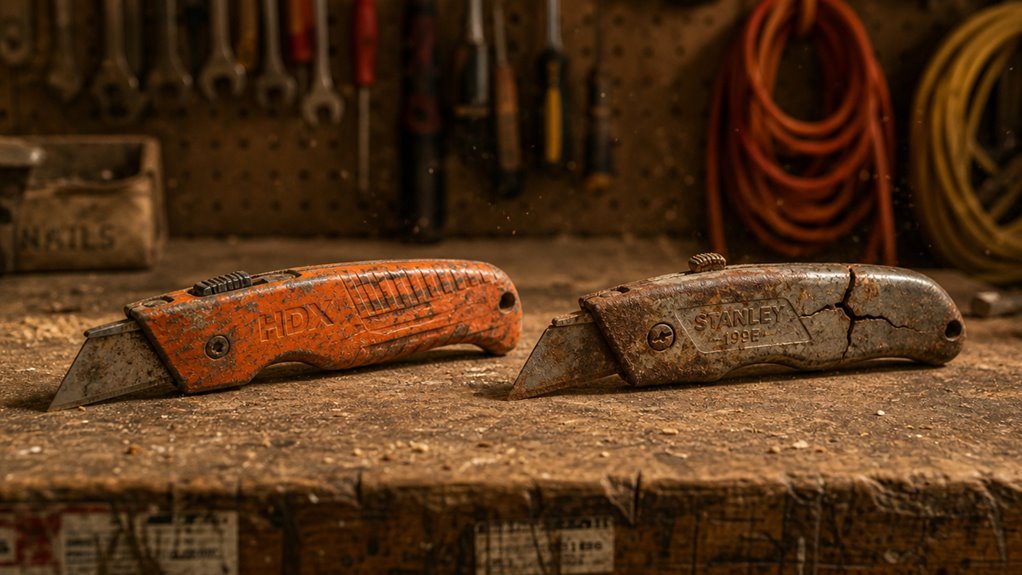
Budget tools qualify for lifelong use when they’re built from single materials, allow repeated sharpening or repair, and carry no coatings that degrade over time, while many pricey alternatives fail these same criteria despite their higher cost.
A stamped stainless-steel blade, such as the one found on the budget Victorinox Fibrox knife, can be resharpened across decades without structural compromise.
A cast-iron skillet from Lodge follows the same principle: one material, no surface treatment to peel, and a straightforward repair path if seasoning wears thin.
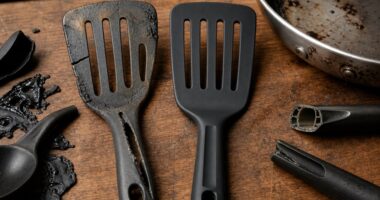
A coated pan at any price has a finite surface, and no warranty changes that, which is why the coating rather than the price tier is what sets its working life.
The factors that separate genuinely long-lasting tools from short-lived ones run deeper than price alone.
The Cheap Cast Iron and Stamped Knives That Last for Decades
Rarely do you find a kitchen tool that stays useful for decades without a warranty to back it up, but a well‑made cast‑iron pan and a solid stamped knife can.
Lodge cast iron survives high heat, scraping, and re‑seasoning because the single‑material body never degrades; you just dry it fast, oil it lightly, and repeat the seasoning when the surface wears.
Stamped knives hold an edge for years when the steel is decent and you sharpen without taking too much metal off.
Both pieces avoid coatings that peel, so repair is simple—re‑season the pan or hone the blade.
The limitation: cast iron rusts if you skip drying, and stamped knives can rust if you leave them wet.
Why a Simple, Cheap Knife Can Earn Buy-It-For-Life Status
Cast‑iron pans and stamped knives showed how a single‑material, repairable design can outlast a warranty, but the next step is seeing why a budget Victorinox knife actually earns a buy‑it‑for‑life badge while many pricier brands only whisper about it. The Victorinox Fibrox line uses a textured polymer handle and a stamped stainless blade. Neither of those is a premium specification, and that is rather the point: there is no bonded handle scale to come loose and no coating to wear off, and the blade sharpens back to a working edge with ordinary equipment. Nothing here says a premium knife will fail. Plenty are excellent, and a forged full-tang blade is stiffer and better balanced than a stamped one. The argument is narrower than that: for a tool you intend to keep for decades, a simple construction with fewer interfaces gives you fewer things that can go wrong, and that is available well under $30.
| Feature | Simple build (e.g. Victorinox Fibrox) | More complex build |
|---|---|---|
| Material | Single‑steel, polymer handle | More interfaces: bonded scales, coatings |
| Repairability | Sharpens with ordinary equipment | May need specialist attention |
| Warranty | Check the brand’s published terms | Check the brand’s published terms |
| Cost | Under $30 | $60+ |
What you get is fewer things that can go wrong, rather than a guarantee that nothing will. The handle feels less natural than wood, the blade is lighter and more flexible than a forged one, and if you want the heft of a forged knife this is not it. For a knife you plan to keep and sharpen for decades, that is a reasonable trade at the price.
How to Judge a Tool for Lifetime Value Under $30
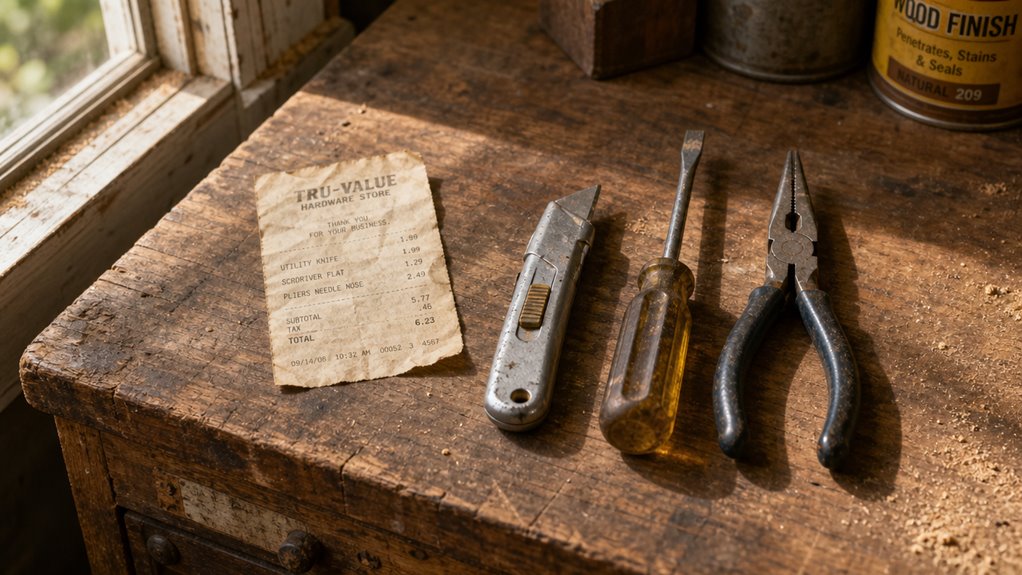
Judging a tool for lifetime value under $30 means checking material integrity and repairability before price, because a single-piece cast-iron skillet can outlast a coated pan that degrades within months of regular use.
Tools worth buying at this price ceiling typically share a few structural traits: no surface coating that can peel, simple joints with few failure points, and a design that supports maintenance over time.
Cast iron, for example, holds its value because it can be reseasoned repeatedly without losing function, while a blade that accepts resharpening extends its useful life well beyond what the price suggests.
The sub-$30 range rewards buyers who prioritize these durable construction features over convenience details like lightweight handles.
What follows covers how to evaluate those qualities in practice.
Reading Materials and Repairability Before the Price
When you check the product listing and spec sheet before buying a sub-$30 tool, you’ll spot the clues that separate a genuine BIFL piece from a marketing gimmick. Look for a clear proof of purchase requirement and exploded parts diagrams that show each component is replaceable.
The spec sheet should list material grades, torque limits, and safety checks that signal the maker expects the tool to last. Pay attention to fastener types; Phillips or hex screws are cheap to fix, while proprietary rivets aren’t.
A maintenance schedule tells you how often to oil or sharpen, and a troubleshooting checklist helps catch wear early.
- Exploded parts diagrams reveal modular design
- Standard fasteners enable DIY repairs
- Material specs and torque ratings indicate durability
- Maintenance and safety checklists extend service life
Matching Buy-It-For-Life Standards to the Under-$30 Ceiling
The exploded‑parts diagrams you just skimmed give you a quick checklist for spotting a true BIFL candidate under $30. Look for a single‑material build: a full‑tang knife forged from stainless steel or a screwdriver with a solid steel shaft and a wooden handle. Avoid thin platings, glued joints, or plastic pivots that will peel or snap. Check the hardness rating or wall thickness; a 0.5 mm blade with Rockwell 55+ will hold an edge for years. Verify replaceable wear parts—bits, blades, or O‑rings—so you can renew the tool instead of discarding it.
Finally, calculate cost‑per‑use: a $25 tool used 250 times costs ten cents each, beating disposable alternatives. The only downside is that a stainless‑steel knife may need occasional polishing to prevent staining.
Frequently Asked Questions
How Can I Test a Tool’s Repairability Before Buying?
Inspect the tool for standard screws, removable panels, and modular parts; check the manufacturer’s website for repair manuals and spare‑part listings; look for online teardown videos and community forums confirming easy serviceability.
Do Single‑Material Tools Ever Need a Warranty for Defects?
Single‑material tools rarely generate a defect claim, so you seldom need a warranty. Their durability comes from solid construction, not paperwork, and any defect is usually obvious and repairable.
What Coating‑Free Materials Are Truly Durable Under High Heat?
You’ll find cast iron, carbon steel, and stainless steel stay strong under high heat, with no coatings needed. They resist warping, oxidation, and cracking, and you can season or polish them for lasting performance.
How Does the Joint Design Affect a Tool’s Lifetime?
Think of a joint as a bridge: solid, seamless connections spread load, while weak, misaligned ones create stress points that crack quickly. You’ll see durable tools use forged, single‑material joints and avoid loose fasteners.
Are There Any Hidden Fees When Claiming a Defect‑Only Warranty?
You’ll face processing, shipping, and registration fees, plus possible labor or parts charges; warranties often exclude wear‑and‑tear, so you may still pay for diagnostics, return freight, or consumable replacements.
Conclusion
You’ve seen the glossy “Buy It For Life” tag, but the real test is the material and how easy it is to fix. A single‑piece cast‑iron skillet or a stamped stainless‑steel knife will outlast a pricey gadget that relies on a warranty loophole. When you hold a solid, repairable tool, you can picture it aging with you. There are no surprise failures, just occasional seasoning or blade sharpening. That durability, not the price, earns the BIFL badge.
| Lodge Seasoned Cast Iron Griddle 10.5″ Round | 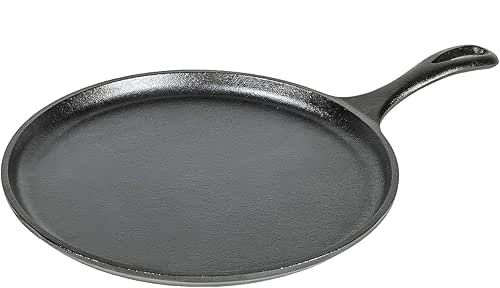 | Heavy-Duty Performer | Material: Cast iron | Pre‑Seasoned Surface: Pre‑seasoned (iron and oil only) | Oven‑Safe: Oven‑safe | VIEW LATEST PRICE | Read Our Analysis |
| Pre-Seasoned Cast Iron Skillet Black 6 Inch Mini Frying Pan with Handle |  | Outdoor Ready | Material: Cast iron | Pre‑Seasoned Surface: Pre‑seasoned natural non‑stick | Oven‑Safe: Oven‑safe (max 250 °C) | VIEW LATEST PRICE | Read Our Analysis |
| Cast Iron 10″ Skillet with Pour Spouts and Silicone Grip |  | Premium Quality | Material: Cast iron | Pre‑Seasoned Surface: Pre‑seasoned (PFAS‑free) | Oven‑Safe: Oven‑safe | VIEW LATEST PRICE | Read Our Analysis |
Links to Amazon are affiliate links. Buying through one costs you nothing extra and helps fund the research.

Michael Haralson worked in professional kitchens from 1979 to 1992: San Diego restaurants, six years with a catering company beside an Austrian chef, and two summers as a cook on the Finland to Sweden cruise route. He then built a fifteen-year career at Nokia. It began in product marketing and product management, where technical specifications and supplier evaluation were part of the work, and grew from a few countries to a region to global roles, then into sales and corporate strategy. That took him to Beijing for three years, where he spent many weekends in a different province trying the local food and took cooking classes. He has eaten in more than 40 countries and has been shown the kitchens of restaurants in Southern Europe. At home in Finland he cooks Cantonese, Sichuan and Mediterranean food, and still uses the cast iron skillet he bought in 1992. He is the author of Buy It Once, Book One of The Researched Kitchen, and writes here about the balance between kitchen tools that cost too much and those that fail too soon.