
Brand quality decline refers to the measurable drop in materials, construction standards, and durability that occurs when manufacturers reduce production costs over time. Cookware and cutlery lines are among the most affected categories, where changes to metal gauge, handle materials, and coating thickness directly shorten product lifespan.
- Stamped cutlery replaces forged construction in budget and mid-range lines, producing blades that dent and lose edge retention faster than their forged counterparts.
- Thin-gauge metal reduces material costs but causes cookware bodies to warp under repeated high-heat cycles, compromising both performance and longevity.
- Polymer handles bond poorly to cookware and cutlery frames when manufacturers use cheaper compounds, leading to cracking and warping within typical household use periods.
The brands this guide no longer recommends, and the specific downgrade behind each:
- Whirlpool: newer models moved to thinner steel gauges, plastic interiors, and offshored components after cost-cutting consolidation.
- KitchenAid: shared manufacturing platforms and lighter builds narrowed the gap between its premium and mid-range models.
- Viking: heritage pricing continues while build weight and material quality dropped from the standard the name was built on.
- Pyrex (US lines): the switch from borosilicate to soda-lime glass left modern pieces prone to cracking under sudden temperature changes that vintage Pyrex handled.
- Henckels International: stamped, partial-tang blades in standard stainless, not the forged full-tang Solingen construction of Zwilling Pro that buyers associate with the name.
Nonstick coatings represent a separate failure point. Thinner coatings bond poorly to the base metal, and peeling often begins after only a few high-heat cycles. The coating thickness and bonding process are two measurable properties that distinguish durable cookware from budget alternatives.
Cheap or expensive is the wrong question. Cost per use is the honest one. Check out our new Calculator.
Cost-Per-Use Calculator →Offshoring and private-equity ownership have reduced quality-control testing across multiple product categories. Early-failure rates in affected lines now outpace those of legacy rivals that maintained forged construction and thicker gauge standards. Henckels International and Zwilling Pro are two brands where these shifts are documented in their current budget-line offerings.
Brand standards depend on consistent material specifications and independent testing at each stage of production. When cost cuts remove those checkpoints, the decline in durability follows a predictable pattern across cutlery, cookware, and handle materials alike.
Consumer product analysts have found that nonstick cookware coatings applied below a certain thickness threshold typically begin showing adhesion failure within roughly 12 to 18 months of regular use, compared to several years for thicker, properly bonded coatings.
Key Points
- Thinner metal gauges and lighter bases cause warping, denting, and poor heat retention, especially in cookware and appliances.
- Stamped or partial-tang cutlery replaces forged full-tang designs, resulting in lighter feel, weaker balance, faster edge loss, and frequent sharpening.
- Thin PTFE and ceramic nonstick coatings peel early due to poor bonding and reduced testing, shortening usable life to a few years or months.
- Offshored production, shared manufacturing platforms, and cheaper alloys/composites lower material quality and increase electronic failures and noise.
- Brand‑line dilution and private‑equity cost‑cutting lead to legacy pricing on downgraded products, while reputable brands (Lodge, Victorinox, OXO) maintain durable standards.
The Quality Kitchen Brands That Quietly Declined
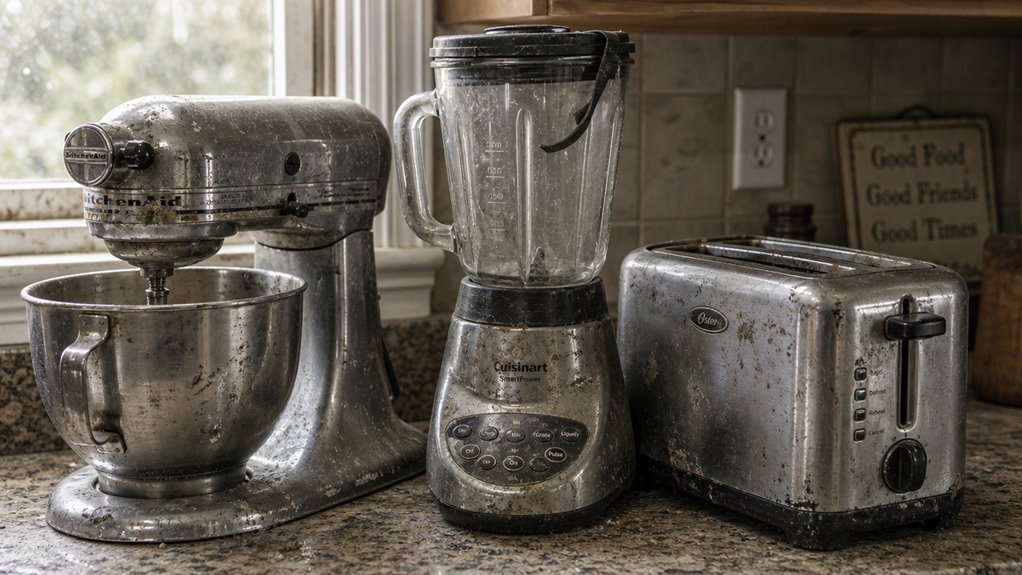
Several well-known kitchen appliance brands have seen measurable declines in build quality even as their marketing continues to trade on decades-old reputations. Whirlpool, KitchenAid, and Viking are among those whose newer models often feature thinner steel gauges, plastic interiors, and components sourced from offshore supply chains — changes that typically follow corporate buyouts and cost-cutting consolidations. Shared manufacturing platforms have allowed brands to reduce production costs, but the result is a narrower gap between premium-priced models and mid-range alternatives built to similar tolerances. Electronic failures and noisy operation have become more common service complaints, and lighter overall weight often signals a reduction in material quality that an older model of the same name wouldn’t have had. Understanding what actually changed, and when, helps clarify whether a recognized name still reflects the construction standards it once represented.
How a Trusted Name Keeps Selling on a Reputation It No Longer Earns
The market keeps pushing legacy‑brand ovens, refrigerators, and dishwashers on the strength of a name that once meant decades of durability, but the actual reliability data tells a different story.
You’ll notice brand dilution as the same logo now covers budget sub‑lines and premium “pro‑style” units that share a factory but not the original engineering. Reputation lag lets sellers charge a heritage premium while first‑year service rates climb above mid‑tier rivals.
The new models often use thinner gauge metal, plastic‑filled interiors, and outsourced electronics that fail after five years. Look past the polished trim; check gauge thickness, material composition, and country of origin.
If the build feels lighter than the older version you trusted, expect shorter life and more repair calls.
Frequent repair reports show that GE dishwashers often require multiple service calls before replacement.
The Buyout and Cost-Cutting Pattern Behind Most Declines
Legacy names still sparkle on the shelf, but the real story starts when a private‑equity firm snaps them up. You’ll see the brand’s debt balloon, then the new owners slash costs to service it. The pressure forces offshoring of production, thinner metal gauges, and cheap composites in place of solid steel. Engineering teams shrink, R&D stalls, and warranty budgets tighten, so the pan you buy may warp after a few uses. This often leaves the company with high bankruptcy risk as cash flow is drained by debt service.
| Phase | Typical Change |
|---|---|
| Buyout | High financial gearing, asset sales |
| Sourcing | Offshoring, cheaper alloys |
| Design | Thinner gauge, reduced testing |
| Support | Cut service, shorter warranty |
You can spot the shift by checking gauge, material, and country‑of‑origin labels before you trust the logo.
The Warning Signs That a Brand’s Quality Cracked

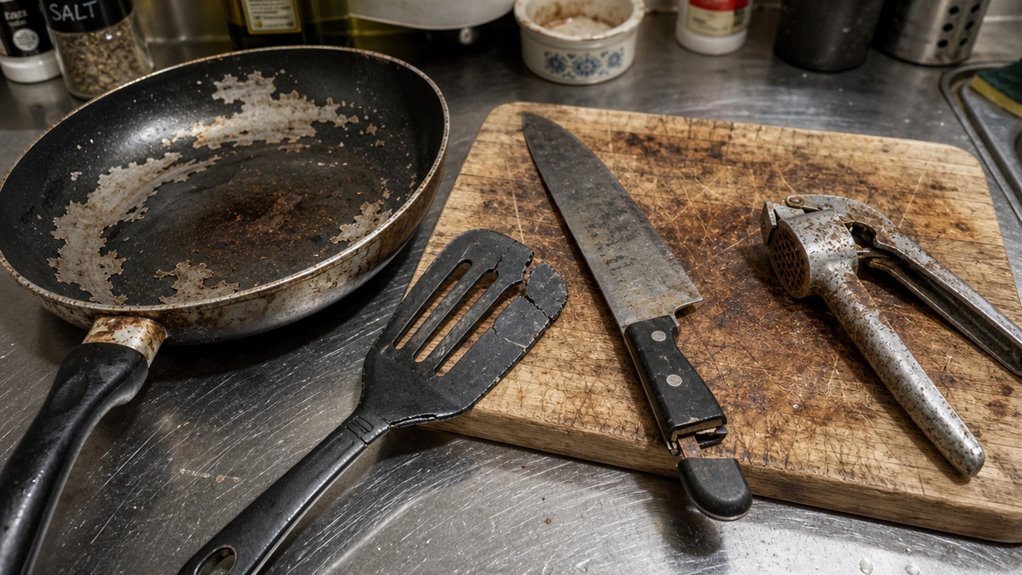
A brand’s quality decline shows up first in the materials: thinner gauge metal, plastic components replacing functional metal parts, and coatings that begin to peel after moderate use. These changes aren’t cosmetic. They alter how cookware and bakeware perform under heat.
A pan made from thinner metal warps faster and loses even heat distribution, while a glass baking dish with a compromised composition can shatter under sudden temperature shifts that older versions of the same product handled without damage. Pyrex is a documented case where a material change — from borosilicate to soda-lime glass — produced a product that looks identical to its predecessor but behaves differently under thermal stress.
Recognizing the specific material and construction signals that indicate a downgrade helps buyers evaluate whether a product still meets the standard its reputation was built on. What follows examines those signals in detail.
Thinner Gauges, Plastic Where Metal Used to Be, and Coatings That Peel
When you open the box and feel the metal, the first thing that should catch your eye is the gauge—if it’s thinner than you remember, the brand is already cutting corners.
You’ll notice a flimsy feel, and the pan may warp at 450°F.
The shift to plastic where metal used to be shows up in handles that crack under torque or hinges that squeak after a few months.
Even the nonstick surface can betray a downgrade; a thin PTFE nonstick layer will peel after a couple of high‑heat cooks.
Declining market share often precedes these quality cuts, signaling that the brand is losing relevance and may be cutting costs to stay competitive.
- Thinner gauges on cookware and appliances
- Plastic replacements for metal structural parts
- Peeling PTFE nonstick coatings
Watch these signs before you trust the name.
Why Vintage Pyrex Shrugs Off Heat Modern Pyrex Cracks Under
The shift from borosilicate to soda‑lime glass is the core reason vintage Pyrex still handles sudden heat while modern pieces can shatter.
You’ll find that Pyrex borosilicate has a low thermal‑expansion coefficient, so it expands just enough to stay intact when you go from freezer to oven. Modern soda‑lime glass expands more, and its tempering makes it vulnerable to rapid temperature jumps; a hot dish on a cold countertop can send it into a spider‑web of cracks.
The change happened after Corning licensed the brand and sought cheaper waste handling, so many U.S. bakeware lines now use soda‑lime.
European versions often retain borosilicate, so check the stamp and region before you trust the logo.
How Quality Kitchen Brands Lose Their Edge Over Time
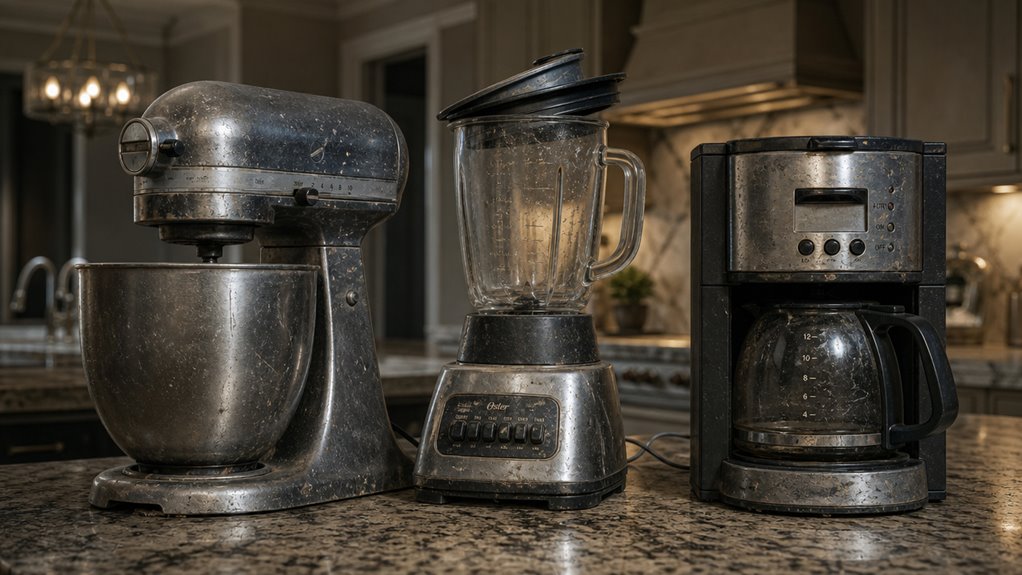
Quality kitchen brands lose their edge when production shifts offshore, metal gauge thins, and quality control loosens enough that a pan warps where an earlier version would not. The brand name itself can obscure the change, since sub-brands often use cheaper steel and wider tolerances than the flagship line — Henckels International knives, for example, differ meaningfully in steel grade and construction from Zwilling Pro, which still relies on forged, high-grade blades.
Those gaps in material specification and manufacturing precision are the real signals that a heritage badge no longer guarantees the durability it once did. Origin of production, alloy quality, and forging method together shape whether a tool holds up across years of use or degrades within the first few. The factors behind that decline reward a closer look.
Offshoring, Diluted Sub-Brands, and Slipping Quality Control
Offshoring a brand’s core manufacturing often means the same name now hides thinner‑gauge metal, softer alloys, and cheaper plastics, all while labor costs stay low. You’ll notice the shift when the product’s weight drops, the finish feels less solid, and the warranty claims rise.
The loss of direct oversight hurts quality control, and the brand’s legacy becomes a marketing veneer.
- Material downgrade – thinner gauge, cheaper polymer replacements.
- Sub‑brand dilution – budget lines share the flagship logo, blurring expectations.
- Testing cutbacks – fewer batch inspections, leading to inconsistent durability.
Watch the country‑of‑origin label, gauge the metal, and ignore the badge if it no longer matches the construction you expect.
Why a Henckels International Knife Is Not the Zwilling Pro Buyers Expect
Because Henckels International knives are made for the mass market, they don’t share the full‑tang, high‑carbon steel construction that defines Zwilling Pro blades. You’ll notice a stamped blade, thinner gauge, and partial tang on a Henckels International set, which means less balance and quicker edge loss.
The premium Zwilling J.A. Henckels line stays forged in Solingen, using high‑carbon stainless and full‑tang design for durability and better resharpening. In contrast, many Henckels International pieces are produced in Spain or China, often from standard stainless steel that dulls faster and may corrode sooner. Expect more frequent sharpening and a lighter feel; the cost saving comes at the expense of long‑term performance.
The Categories Where Decline Hits Hardest
Quality decline in cookware and cutlery shows up most clearly in three areas: nonstick coatings that peel prematurely, stamped cutlery that lacks the density of forged construction, and disc-bottom cookware that warps under sustained heat. These failures trace back to thinner metal gauges, offshored production, and material substitutions that heritage brand names often obscure.
Knowing where a piece is made, how thick the metal runs, and whether the coating bonds to a full-thickness base rather than a lightweight substrate helps separate genuine construction from brand recognition alone. Brands like Lodge and Victorinox have maintained consistent material standards and origin, making them useful reference points when evaluating whether a name still reflects the quality it once did. The categories ahead show where those gaps appear and what drives them.
Nonstick Coatings, Stamped Cutlery, and Disc-Bottom Cookware
When you look at nonstick pans, stamped cutlery, and disc‑bottom cookware, the first thing you’ll notice is that the decline shows up fastest in the parts that rely on thin layers or cheap construction.
You’ll see PTFE nonstick coatings hold a nominal life of seven to ten years but show noticeable decline after three-and-a-half to five years, with ceramic failing far sooner, while stamped cutlery often feels soft and bends under pressure.
Disc‑bottom pans warp because the thin metal base can’t handle heat spikes.
- PTFE nonstick: 7‑10 years nominal, 3.5‑5 years noticeable decline.
- Ceramic nonstick: 1 year functional life, sticks after a few months.
- Stamped cutlery: thinner gauge, prone to bending and edge wear.
Check gauge, material, and origin before you trust the logo.
Where Heritage Names Still Hold and Where They Do Not
If you’re still counting on a heritage name to guarantee durability, you’ll find the truth varies by category. In appliances, GE and Whirlpool still make solid ovens, but their newer ranges use thinner steel and complex electronics, so you’ll see more repairs. Washers from Maytag have thinner gauges and more board failures, while Sub‑Zero and Miele retain heavy‑gauge construction and reliable service.
Cookware shows the same split: budget lines that moved to thin disc-bottom bases warp quickly, yet full-thickness cast iron and tri-ply stainless from makers that kept their gauge standards stay flat for years. Spot the signals: material downgrade, offshore shift, and sub-brand dilution. They help you avoid brands that dropped in quality.
How to Find Brands That Still Earn Their Reputation

Finding brands that still earn their reputation starts with looking past the logo and checking the gauge, material, and country of origin before committing to a purchase. These three factors tend to reveal whether a manufacturer has maintained consistent standards or quietly reduced quality over time.
Gauge determines how a material handles heat and stress, while origin often signals which production controls are in place. Brands like Lodge, Victorinox, and OXO have maintained honest construction across their core lines, though even reliable names can carry a weaker specification in a newer product, such as a thinner base on a recently updated pan. Knowing where to look and what to compare makes the rest of this evaluation straightforward.
Reading Construction and Country of Origin Before the Logo
Even before you spot the logo, the material gauge tells you if a pan will stay flat or warp under heat. Look at the gauge, the weight relative to size, and the country of origin before you trust the badge. Those clues beat nostalgia every time.
- Gauge & thickness – A heavier gauge resists warping; thin gauge dents easily.
- Weight check – Substantial feel for the dimensions signals dense material, not shortcuts.
- Origin label – Verify where the major transformation happens; premium lines often stay in Japan, Germany, or the US, while budget tiers shift offshore.
When you see a thin disc‑bottom pan stamped “Made in China” but weighing barely half what a comparable US‑made pan does, it’s a red flag. The construction tells the truth, not the logo.
The Durable Names That Have Not Cut Corners
Brand durability shows up in three concrete places: independent testing scores, warranty and repair policies, and the company’s overall reputation.
You can spot the reliable ones by checking independent quality benchmarks & third‑party testing—Consumer Reports and Wirecutter consistently rate certain kitchen brands with high load‑cycle scores and low recall rates.
Look for warranties that stretch five years or more on key components and a clear repair pathway; brands that keep spare parts for a decade signal confidence in their build.
Finally, a solid corporate reputation, reflected in RepTrak scores and transparent sustainability reports, often means they haven’t cut corners.
Trust the gauge, the metal, and the country of origin, not just the logo.
Frequently Asked Questions
Are There Specific Material Certifications to Verify Authenticity?
You can verify authenticity with MTR or MTC reports, EN 10204 3.1/3.2 certificates, CoC or CoA documents, and ISO 9001 or ASTM‑referenced test data that tie a specific heat or batch to the product.
How Can I Trace a Product’s Manufacturing Location From Its Serial Number?
You can look up the serial on the maker’s website or app, enter it into their support portal, or scan the QR code to pull the production plant and date from their database.
Do Ownership Changes Affect Warranty Terms for Legacy Kitchen Brands?
You’ll see warranties shift when ownership changes: new owners often trim coverage or make it non‑transferable, while legacy warranties may persist only if the original entity remains responsible.
Which Sub‑Brands Retain Original Construction Standards?
In kitchenware, the sub-brands that hold their original standards are the ones that kept forging, gauge, and origin intact – Zwilling Pro (still forged in Solingen) over Henckels International, full-thickness Lodge cast iron over thin disc-bottom imports, and Victorinox Fibrox over stamped budget cutlery. Verify forging method, metal gauge, and country of origin rather than the parent badge.
What Gauge Thickness Indicates a Truly Durable Pan?
You’ll want a pan at 16‑gauge or lower (thicker) metal; 18‑gauge is marginal, and 20‑gauge or higher usually warps. Heavier gauge means sturdier construction, better heat stability, and longer life.
Conclusion
You’ve seen the glossy logos, but the thin, disc‑bottom pans prove that reputation isn’t a guarantee. When a brand’s gauge drops, its construction moves from single‑piece to layered, and the country‑of‑origin stamp shifts offshore, you’re buying a cost‑cutting replica, not the original craftsmanship. Stick to the cues—thick gauge, solid build, local origin—and you’ll keep the kitchen reliable without chasing hype.

Michael Haralson is an author, analyst, and founder of MHaralson, a publishing company. He spent five years with a San Diego catering company, cooking for events of up to 600 guests and working part-time in the main kitchen. He writes about the balance between kitchen tools that cost too much and those that fail too soon.