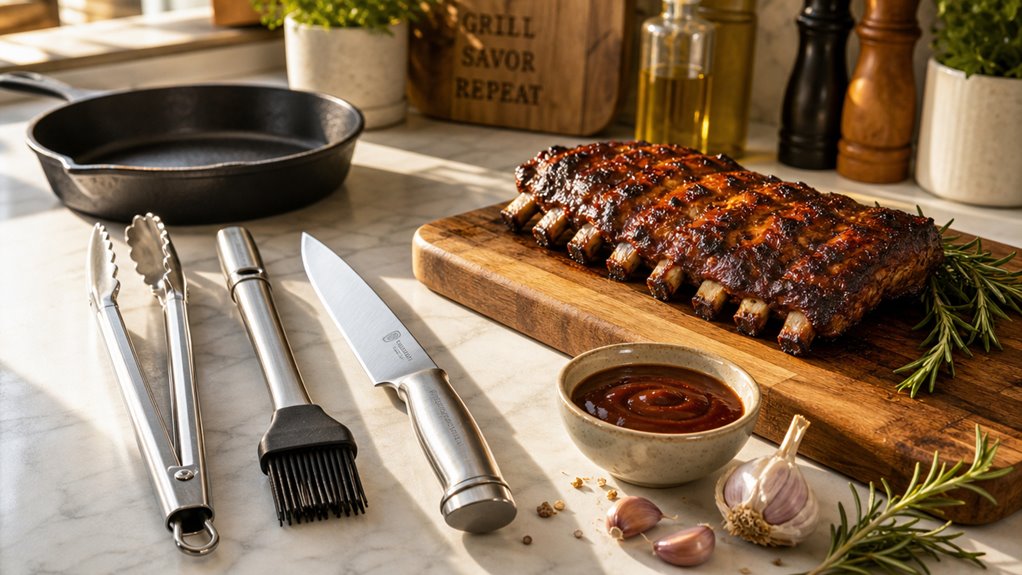

BBQ tools that double as kitchen tools require a small set of multi-surface implements that work on a grill, stovetop, and in the oven. Stainless-steel tongs, a heat-tolerant spatula, and an instant-read thermometer cover the core needs for most cooks.
- Stainless-steel tongs stay rigid at temperatures around 500 °F, making them reliable across both high-heat grilling and stovetop tasks.
- A heat-tolerant spatula features a brushed finish that resists visible scratching and handles the thermal demands of open-flame and indoor cooking surfaces.
- An instant-read thermometer delivers a temperature reading in roughly two seconds, with a narrow probe tip that limits juice loss during meat checks.
The tongs and the spatula survive dishwasher cycles, which reduces the maintenance burden that rust-prone, thin-gauge tools typically create. The thermometer is the exception: hand-wash the probe and the body, and follow the manufacturer’s guidance, because the electronics and seals in most instant-read models are not built for a dishwasher. Silicone-tipped tongs protect cookware surfaces while still gripping food securely at high heat. A spatula with a brushed finish ages more gracefully than a polished one, since surface marks become less visible over time.
Dual use carries a food-safety condition the crossover pitch tends to skip. Any tool that has touched raw or cooking meat must be washed in hot soapy water before it touches ready-to-eat food. The safer arrangement is separate tools for raw meat and for the finished plate; at minimum, wash the tool deliberately between the two jobs.
The thermometer’s probe can drift in accuracy if left inside a hot pan for an extended period, so it performs best as a spot-check instrument rather than a continuous monitor. Selecting tools that cross over between outdoor and indoor cooking reduces both storage space and overall cost compared to maintaining two separate sets.
Instant-read thermometers with thin probe tips typically measure around 1.5 mm in diameter, which culinary research suggests reduces heat transfer disruption and helps retain more internal juices in meat during temperature checks.
Cheap or expensive is the wrong question. Cost per use is the honest one. Check out our new Calculator.
Cost-Per-Use Calculator →Key Points
- Choose heavy‑gauge stainless steel tongs with silicone tips; they reach over open flames, handle stovetop tasks, and resist rust and warping.
- Opt for a long‑handled, heat‑resistant spatula with a stay‑cool grip for flipping burgers on the grill and pancakes or casseroles indoors.
- Select a silicone‑bristled basting brush; it works for ribs, glazing pastries, and cleaning cast‑iron without melting or shedding bristles. Wash it in hot soapy water after it touches raw or cooking meat and before it goes near pastry.
- Use a high‑quality chef’s knife or sharp shears that replace multiple single‑purpose cutting tools in both grill and kitchen settings.
- Include an instant‑read thermometer with a wide temperature range (‑58 °F – 572 °F) and a folding, narrow tip probe for quick, accurate checks on both BBQ cuts and oven roasts.
| Chef Craft Instant Read Thermometer 5.5″ Stainless Steel | 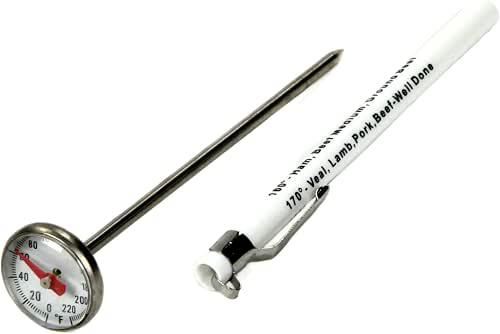 | Best Overall | Temperature Scale: Fahrenheit and Celsius | Material (Body): Stainless steel | Probe Type: Mechanical (bimetallic) probe | VIEW LATEST PRICE | Read Our Analysis |
| Alpha Grillers Instant Read Meat Thermometer Waterproof Fast-Response |  | Fast-Response Pick | Temperature Scale: Fahrenheit and Celsius | Material (Body): Stainless steel (dial housing) | Probe Type: Digital probe | VIEW LATEST PRICE | Read Our Analysis |
| AWLKIM 2-Pack Analog Meat Thermometer Oven-Safe Dial |  | Oven-Safe Choice | Temperature Scale: Fahrenheit and Celsius | Material (Body): Stainless steel | Probe Type: Mechanical (bimetallic) probe | VIEW LATEST PRICE | Read Our Analysis |
Links to Amazon are affiliate links. Buying through one costs you nothing extra and helps fund the research.
Why the Best BBQ Tools Double as Kitchen Tools
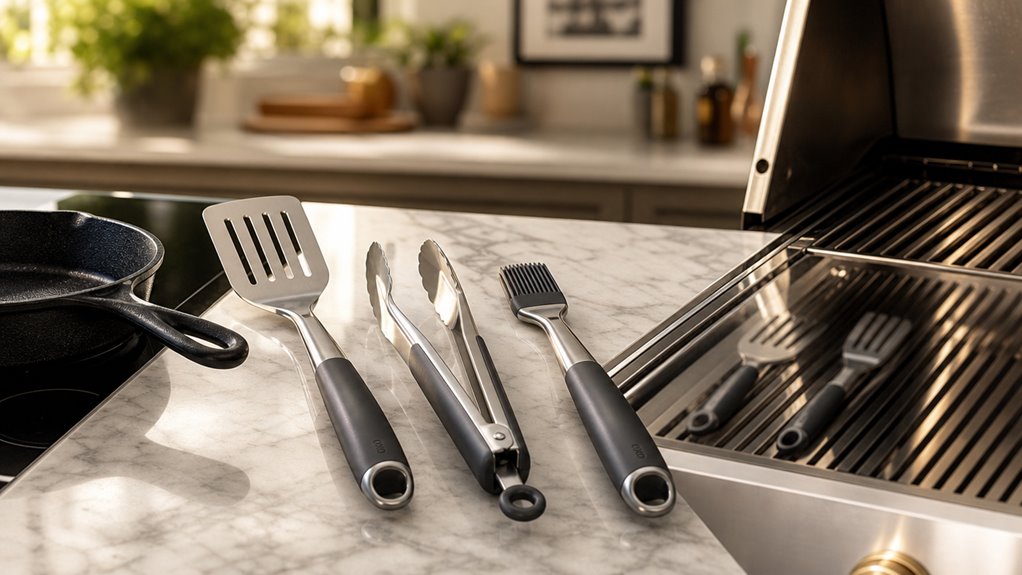
BBQ tools earn their place in a kitchen when they handle both the grill and the stovetop without compromise. Stainless construction, heat-resistant materials, and a wide temperature range let a single tool move between open flame and indoor cooking without degrading in performance or durability.
Single-purpose grill gadgets tend to sit idle between cookouts, adding clutter rather than value. Tools built around dual-use design, such as heavy-gauge tongs, a thermometer rated across a wide temperature range, and a spatula with a heat-resistant handle, reduce the need to maintain two separate sets of equipment.
Material quality shapes how well a tool holds up under both conditions, since grill heat and stovetop use place different stresses on handles, joints, and blade edges. Expert panel testing confirms that the most versatile tools are those that pass both the grape tomato test and the hot‑dog test, demonstrating delicate grip and firm handling across temperature ranges.
Buying for Two Jobs Instead of One
Grab a pair of heavy‑duty stainless tongs and you’ll see why a single tool can replace a whole drawer of gadgets. A double‑duty tool like these tongs flips burgers on the grill and tosses salad at the kitchen, so you spend less and store less. Wash them in hot soapy water between those two jobs. Tongs that have handled raw burgers should not touch the salad until they have been cleaned, and keeping a second pair for ready-to-eat food is safer still.
The same stainless construction resists rust, and the long handles keep your hands safe from open flame while still feeling comfortable on a stovetop. Pair them with an instant‑read thermometer that works for steaks and roasts alike; it is accurate and removes the need for a separate meat probe. Hand-wash the probe and the body instead of running it through the dishwasher, and check the manufacturer’s guidance: most instant-read thermometers are not dishwasher-safe, because the electronics and seals are not built for it.
A high‑heat silicone brush lets you baste ribs and glaze pastries without melting, provided you wash it in hot soapy water after it touches raw or cooking meat and before it goes near the pastry. These crossover tools cost a bit more upfront, but they last years, cut clutter, and handle both indoor and outdoor heat without warping.
Long tongs provide extra leverage for larger cuts and keep you at a safe distance from the fire.
The Single-Purpose Grill Gadgets Worth Skipping
Even though a shiny gadget can look tempting, most single‑purpose grill tools end up gathering dust once the season ends. A pulled‑pork claw, for instance, does the same job as a sturdy fork or tongs but adds bulk and rust risk.
You’ll find that a dedicated kabob basket takes more space than a metal skewer and cooks unevenly, while a hot‑dog roller limits surface area compared with standard tongs. A battery‑powered marinade injector sounds high‑tech, yet a manual injector works just as well, costs less, and cleans easily.
Likewise, a grill‑only basting brush duplicates a silicone pastry brush you already own. So skip the single‑use grill gadget and keep versatile, stainless pieces that serve the kitchen and the grill year‑round. A high‑quality chef’s knife can replace many specialized cutting tools in both settings.
The Crossover Tools That Earn Their Place
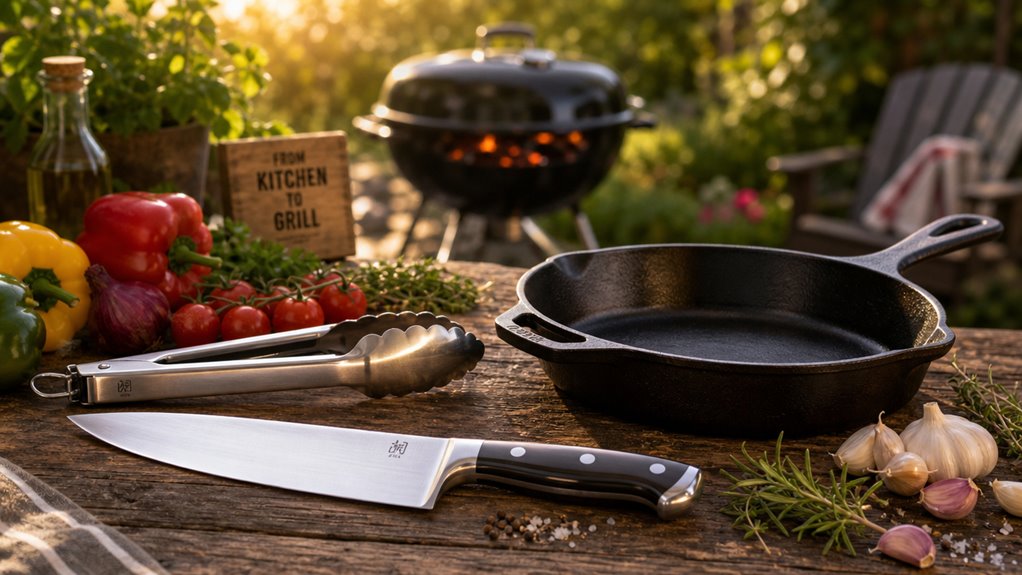
Crossover tools earn their place in a kitchen when a single, well-designed implement handles both grill and stovetop tasks without meaningful compromise. Long stainless-steel tongs, for example, give a cook enough reach over open flame while still managing pasta in a pan, though the extra length can work against you in a small skillet.
An instant-read thermometer calibrated across a wide temperature range serves a BBQ ribeye and a stovetop roast with equal reliability, provided the probe is handled carefully to avoid damage.
A silicone-bristled brush clears char from grill grates and scrubs cast-iron cookware, but bristle durability under heavy use is a genuine maintenance consideration rather than a minor footnote.
What separates tools that truly cross over from those that merely claim to is a combination of material quality, design proportion, and realistic expectations about trade-offs, and the details behind each of those factors reward closer examination. Three‑row bristles ensure comprehensive cleaning coverage on both grill grates and cookware.
Tongs, Thermometers, and Brushes That Work Indoors and Out
Flip the tongs, thermometer, and brush you reach for in the kitchen and use them on the grill without a second thought.
Long tongs give you the reach you need for a sizzling steak and the control for flipping a delicate omelet. Their stainless steel shafts resist rust, and silicone‑coated handles stay cool whether you’re sautéing or searing. Sharp shears are also handy for trimming excess fat on meat before it hits the grill.
An instant‑read thermometer drops into a thick rib and shows a precise temperature in seconds, thanks to a backlit display and a probe that tolerates up to 572°F. It folds flat for drawer storage, but the probe length is long enough for a whole turkey on the grill. Whole turkey, like all poultry, needs to reach 165 °F (74 °C) in the thickest part under the USDA’s safe minimum internal temperature guidance.
A silicone basting brush handles high grill heat without shedding bristles and works just as well for glazing pastries; its detachable head simplifies cleanup, and the brush does need a hot soapy wash between basting meat and glazing pastry. The only drawback is the brush’s handle can become slippery when wet, so a dry grip is best.
Why Long Tongs Work Indoors and Out Where a Grill Gadget Cannot
A 16‑inch stainless steel tong gives you the reach you need to stay clear of a roaring grill while still feeling like an extension of your hand when you toss a skillet of veggies.
The long tongs keep your fingers a safe distance from open flame, yet the 16‑inch tong lets you pivot with enough mechanical advantage to flip a steak on a stovetop without wobbling.
You’ll notice the same grip when you toss pasta or turn a large cut of pork; the design balances reach and control.
A grill‑only gadget often sacrifices precision for clearance, making it bulky for tight pans and hard to store.
In contrast, long tongs stay lightweight, heat‑resistant, and versatile, earning a permanent spot in both your kitchen drawer and grill tote.
How Smart Memorial Day Buying Avoids Single-Use BBQ Tools
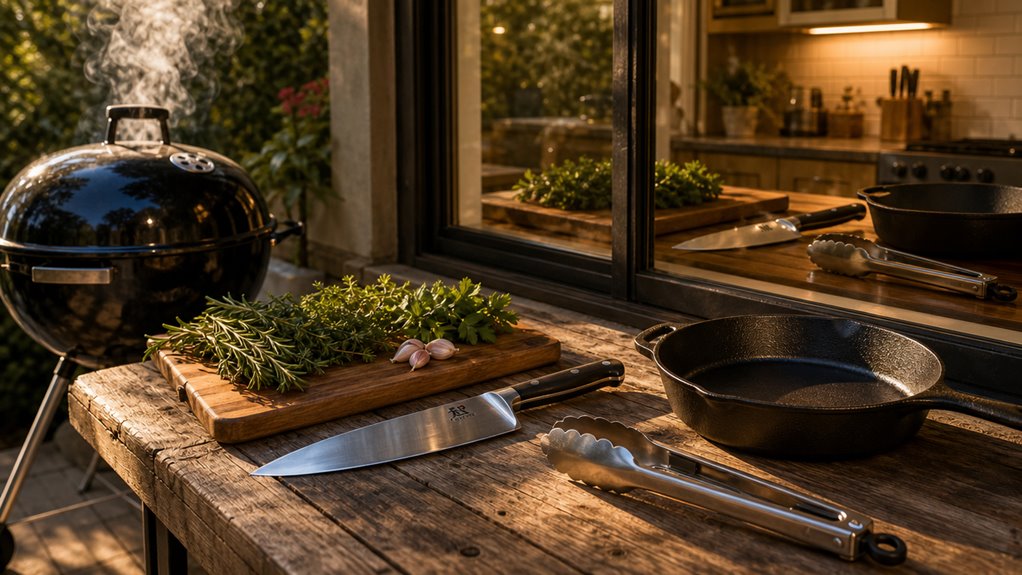
Smart Memorial Day buying means choosing grilling tools that carry their weight across every cooking situation, not just one holiday weekend. Stainless steel construction allows a set of tongs to handle indoor oven work and open-flame grilling without corroding or warping between uses. An instant-read thermometer follows the same logic, moving from a backyard brisket to a weeknight roast without losing accuracy or taking up extra drawer space.
Single-use gadgets and plastic brushes that rust after a season represent the spending pattern this approach is designed to prevent. The sections ahead examine how to apply this dual-use standard across the tools most likely to appear in a Memorial Day cart.
Spotting Tools That Stay Useful After Grilling Season
Usually you’ll find the same grill‑only gadgets stashed in the garage until the next BBQ, but a few well‑chosen tools can stay useful year‑round. Spotting grilling tools worth buying means hunting for heavy‑duty tongs that handle 500 °F on a grill and 212 °F on a stovetop. Look for locking stainless steel, silicone tips, and a 12‑inch reach that keeps your hands safe from flare‑ups and oven heat. The same tongs can toss pasta, turn fish, and serve salads without scratching non‑stick pans. Choose pieces that are dishwasher‑safe and rust‑resistant so they outlive the season and keep your drawer tidy.
| Tool | Year‑round use |
|---|---|
| Heavy‑duty tongs | Grill, stovetop, oven |
| Perforated basket | Roasting vegetables, baking |
| Stainless skewers | Kebabs, cake testers |
| Long‑handled spatula | Burgers, pancakes, casseroles |
Why an Instant-Read Thermometer Serves Grill and Kitchen Alike
Heavy‑duty tongs got you covered for flipping burgers, but the instant‑read thermometer is the tool that really earns its keep in both the grill and the kitchen. You’ll measure steak doneness on the grill and check a loaf’s center in the oven with the same probe, thanks to its –58 °F to 572 °F range.
Read the number against published safe minimum internal temperatures rather than color or feel. The USDA’s safe minimum internal temperature guidance puts poultry, including whole turkey and all ground poultry, at 165 °F (74 °C); ground beef, pork, lamb and veal at 160 °F (71 °C); whole cuts of beef, pork, lamb and veal at 145 °F (63 °C) followed by a three-minute rest; and fish at 145 °F (63 °C). Take the reading in the thickest part of the meat, clear of bone.
A 2‑second read lets you pop the grill lid or oven door without losing heat, while the narrow tip keeps juices in and avoids big holes in delicate cakes. The folding design slides into a drawer, so you’re not swapping gadgets when you move from stovetop sauté to deep‑frying oil.
Calibration is simple, just ice water and boiling water, so accuracy stays reliable year‑round. The only downside is that the probe can’t stay in a hot pan for more than a few minutes without risking sensor drift.
The Durability That Lets a Tool Work Both Jobs
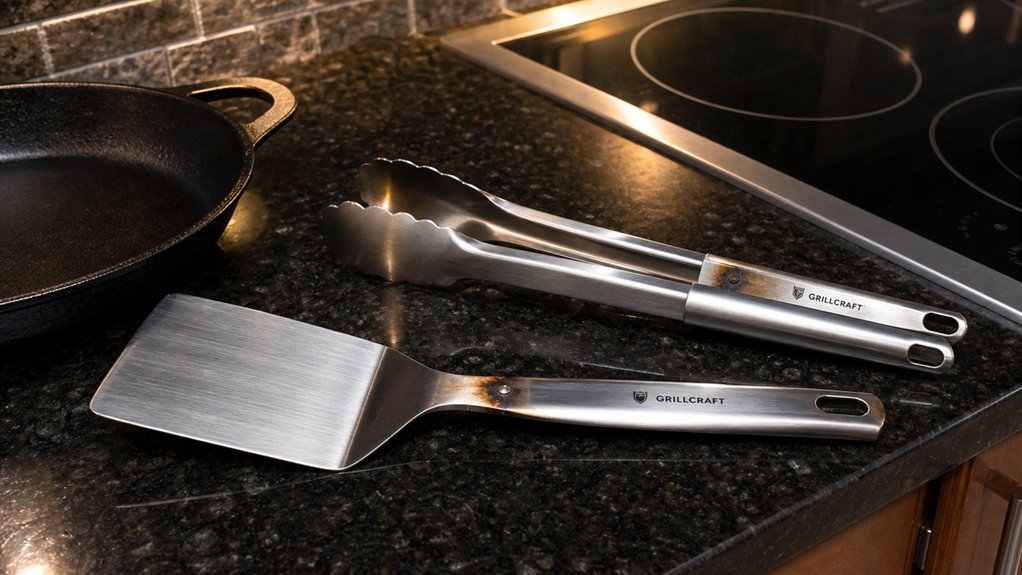
Durability allows a single tool to handle both grilling and stovetop cooking without degrading between uses. Stainless steel resists rust and warping when a tool moves between a live-fire grill and a hot burner, two environments that quickly corrode weaker materials.
One-piece handle construction keeps the grip rigid under the load of heavy cuts like brisket and doesn’t soften or melt when it contacts a hot pan. Heat-tolerant materials sustain function at temperatures around 500 °F, where flimsy alternatives bend, corrode, or lose their shape after only a few uses. The details behind how these design choices hold up under real cooking conditions go further than they first appear.
Stainless Builds, Solid Handles, and Heat Tolerance
Gripping the handle of a stainless‑steel tong, you’ll notice the stay‑cool, full‑length grip that keeps your hand clear of open flames while still feeling comfortable on a stovetop pan. The heavy‑gauge stainless steel body resists bending when you lift a rib roast or a cast‑iron skillet, and the brushed finish hides scratches after repeated searing.
Full‑length, soft‑grip handles stay cool even over a 500°F grill, and the anti‑slip overlay prevents greasy hands from sliding. Silicone heads on turners survive oven roasts without melting, while the riveted construction eliminates weak points that could separate under heat. Dishwasher‑safe construction means you can swing between outdoor grilling and indoor sautéing without worrying about rust or warping. The only drawback is the slightly higher weight compared to thin‑walled plastic alternatives.
Where a Flimsy Grill Gadget Warps or Rusts Fast
If you leave a thin‑gauge steel spatula on a hot grill for too long, it will warp before you even notice the distortion.
Thin blades heat unevenly, expand faster at the center, and then contract differently when you dump cold food or splash water. That thermal shock creates permanent bowing and makes the tool useless on the stovetop.
Low‑alloy carbon steel brushes or cheap plated metal lack rust resistance, so moisture from washing, rain, or acidic marinades quickly corrodes joints and hinges. The result is pitting, flaking, and a tool that rusts fast, forcing you to replace it after a season.
Choose stainless or a thicker alloy with sealed edges for true durability.
How to Build a Crossover Kit Without Overspending
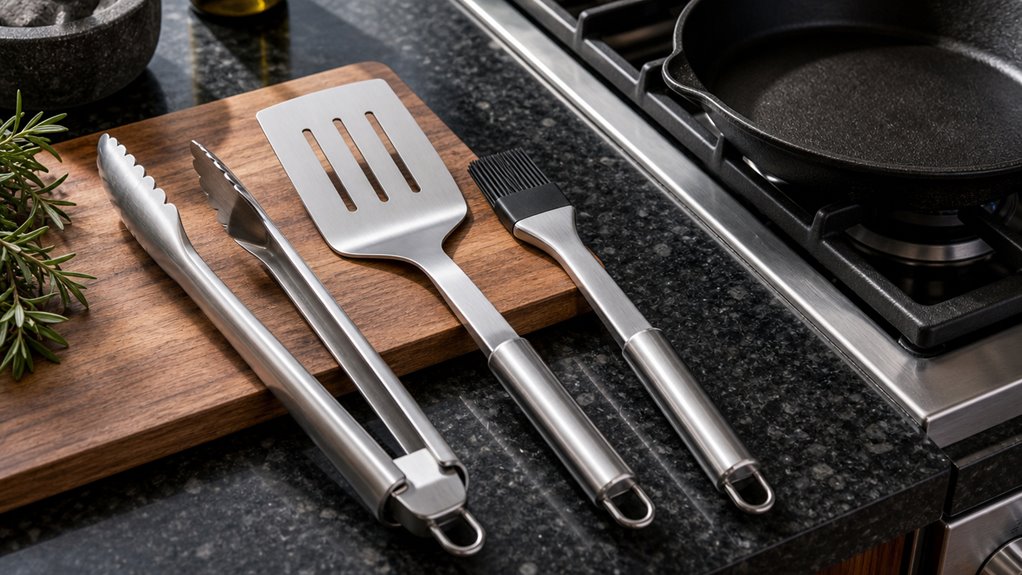
A crossover kit built around dual-purpose tools keeps costs manageable without sacrificing function across both grill and kitchen tasks. Stainless-steel tongs, a silicone-tipped spatula, and an instant-read thermometer cover the widest range of cooking scenarios while staying within a budget price tier.
Solid handle construction and heat-resistant tips matter most, since these features determine whether a tool holds up under high-heat grilling and remains practical for everyday prep. Starting with tools already on hand and filling specific gaps with dual-purpose pieces avoids redundant spending on single-use gadgets.
The sections that follow break down what to look for in each category.
Choosing Double-Duty Tools Over Single-Season Gear
Start by trimming the clutter in your drawer and swapping out any grill‑only gadgets for tools that can handle a skillet, a saucepan, and a hot grill grate alike. When you choose multipurpose bbq tools, you cut storage space and boost yearly use. A solid‑handled spatula flips a steak on the grill and a pancake on the stove without warping. An instant‑read thermometer checks grill heat and oven temperature, so you skip buying a separate kitchen probe. Stainless tongs reach into a hot pan or a grill grate, and they won’t rust after a summer outdoors.
| Tool | Indoor Use | Outdoor Use |
|---|---|---|
| Stainless Tongs | Flipping vegetables | Grilling burgers |
| Instant‑Read Thermometer | Checking baked chicken | Monitoring steak doneness |
| Heavy‑Duty Spatula | Sautéing eggs | Turning fish on grill |
These crossover kitchen grill tools survive heat, resist rust, and stay in your hand year‑round. The only drawback is that a heavy spatula can be cumbersome for delicate sauces, but it still outperforms a flimsy grill‑only turner.
Matching Crossover BBQ Tools to the Under-$30 Ceiling
Trim the clutter in your drawer and replace any grill‑only gadgets with tools that can handle a skillet, a saucepan, and a hot grate alike. To stay under $30 per tool, focus on a few crossover pieces that cover most cooking tasks. A stainless‑steel locking tong flips steaks on the grill, tosses pasta on the stove, and reaches into a hot pan without melting.
Pair it with a wide stainless spatula; its thin edge slides under fish or burgers, yet it’s sturdy enough for a grill grate. Add a silicone basting brush, perfect for glazing meat outdoors and brushing butter on muffins.
Finally, an instant‑read thermometer gives quick, accurate readings on both grill and oven. These four items give you year‑round utility without breaking the budget.
Frequently Asked Questions
Can Stainless Tongs Handle Both Grill and Stovetop Heat?
Yes, stainless tongs can handle grill and stovetop heat. Their heat‑resistant steel stays cool enough to grip safely, resists rust, and endures high temperatures, so you’ll use them year‑round without worries.
Do Instant‑Read Thermometers Need Calibration for Indoor Cooking?
You’ll want to check it regularly; even for indoor cooking, an instant‑read thermometer can drift. Check it in ice water and boiling water, then calibrate or replace if it’s off more than a couple degrees.
Will a Silicone Brush Survive Open‑Flame Grilling?
You’ll find a silicone brush can survive open‑flame grilling only if you keep it away from direct flames, limit exposure to brief passes, and replace it when it starts cracking, discoloring, or losing flexibility.
How Many Years Does a Solid‑Handle Spatula Typically Last?
You’ll typically get three to five years from a solid‑handle spatula before wear shows up, though premium seamless silicone or metal‑handled versions can stretch that to a decade or more with proper care.
Is a $30 Budget Realistic for Stainless Crossover Tools?
Yes, you can snag solid 304 stainless crossover tools for $30. Focus on 2‑4‑piece sets or single upgrades, such as tongs, spatula, thermometer, or brush, ensuring heat tolerance, durability, and year‑round utility.
Conclusion
You’ll end up with a kitchen drawer that feels more like a well‑stocked toolbox. The stainless tongs keep a grill’s heat at bay while you turn a skillet’s veggies, and the instant‑read probe measures a roast’s core and a cake’s center alike. A solid‑handled spatula slides under burgers and pancakes without bending. Each piece costs under $30, but you’ll need to clean the tongs promptly to avoid lingering grease. The result? Fewer gadgets, less rust, and tools that work year‑round.
| Rubbermaid Instant Read Thermometer Pocket Size Red | 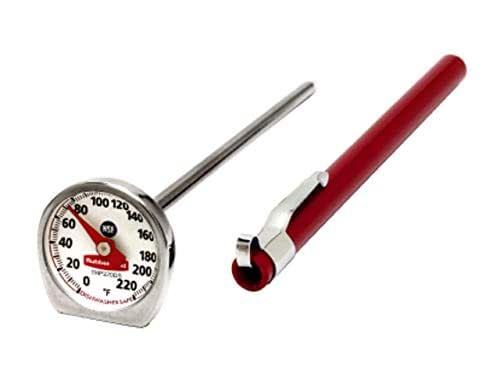 | Pocket-Size Essential | Temperature Scale: Fahrenheit and Celsius | Material (Body): Stainless steel | Probe Type: Mechanical probe | VIEW LATEST PRICE | Read Our Analysis |
| Taylor Instant Read Analog Meat Thermometer with Pocket Sleeve | 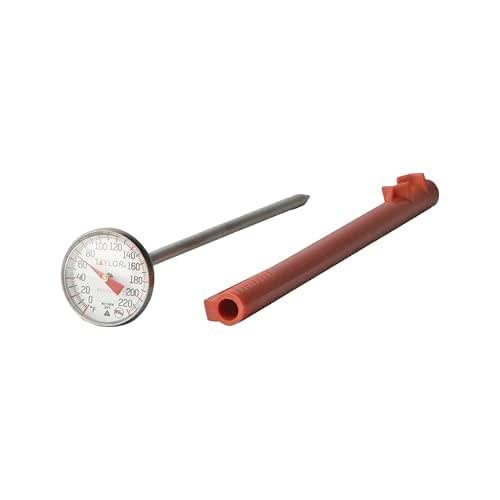 | Recalibration Ready | Temperature Scale: Fahrenheit and Celsius | Material (Body): Stainless steel | Probe Type: Mechanical probe | VIEW LATEST PRICE | Read Our Analysis |
| DOQAUS Instant Read Meat Thermometer with Backlight Display | 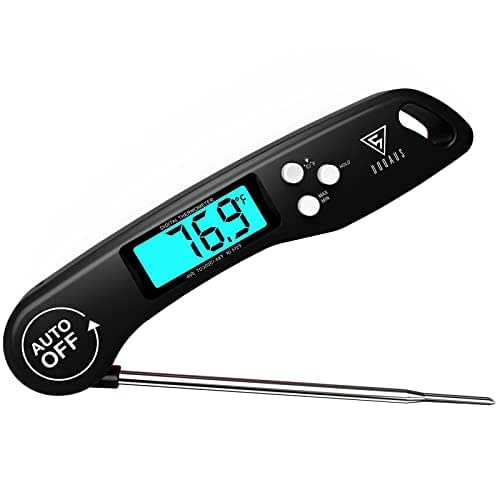 | Feature-Rich Value | Temperature Scale: Fahrenheit and Celsius | Material (Body): ABS plastic (body) with metal probe | Probe Type: Digital probe | VIEW LATEST PRICE | Read Our Analysis |
Links to Amazon are affiliate links. Buying through one costs you nothing extra and helps fund the research.

Michael Haralson worked in professional kitchens from 1979 to 1992: San Diego restaurants, six years with a catering company beside an Austrian chef, and two summers as a cook on the Finland to Sweden cruise route. He then built a fifteen-year career at Nokia. It began in product marketing and product management, where technical specifications and supplier evaluation were part of the work, and grew from a few countries to a region to global roles, then into sales and corporate strategy. That took him to Beijing for three years, where he spent many weekends in a different province trying the local food and took cooking classes. He has eaten in more than 40 countries and has been shown the kitchens of restaurants in Southern Europe. At home in Finland he cooks Cantonese, Sichuan and Mediterranean food, and still uses the cast iron skillet he bought in 1992. He is the author of Buy It Once, Book One of The Researched Kitchen, and writes here about the balance between kitchen tools that cost too much and those that fail too soon.