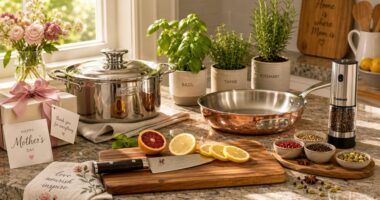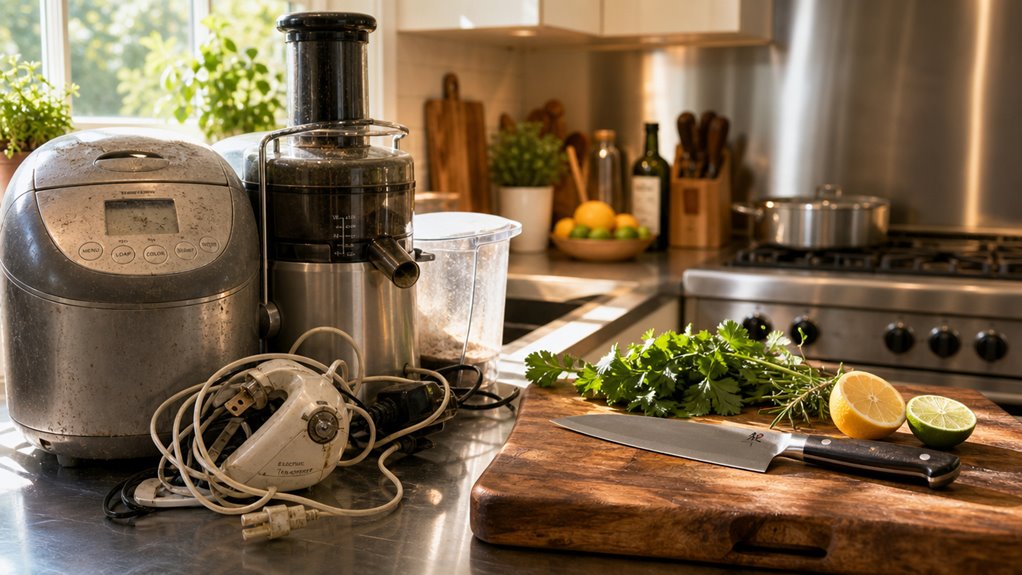
A genuine Mother’s Day gift upgrade requires matching a specific tool to a real gap in her kitchen routine, not selecting from recycled trend lists built around affiliate commissions and retail algorithms. Useful gifts replace what is worn, add what is missing, and fit her actual cooking style.
- Retail algorithms prioritize high-margin novelty items over functional need, producing clutter rather than convenience.
- Cooking skill level determines which tools a home cook can use effectively, making it a necessary filter before any gift selection.
- Dual-sensor thermometers address a measurable gap for cooks who braise or roast frequently, offering precision that a basic probe cannot provide.
Gift lists typically fail because they ignore the tools already in a cook’s kitchen. A duplicate silicone spatula or a novelty waffle maker occupies drawer space without solving any existing problem. The gap between a popular recommendation and a practical upgrade is almost always a matter of context.
A worn knife is a common and concrete example of a genuine need. Replacing it with a comparable blade in better condition delivers immediate, daily value. That kind of specificity is what separates a useful gift from a well-packaged redundancy.
Identifying the right upgrade depends on observing her routine, noting what is missing, and understanding what she already uses well. High-margin trends rarely survive that filter.
Studies on household clutter suggest that a significant portion of specialty kitchen tools are used fewer than five times after purchase, indicating that novelty often outweighs utility in gifting decisions.
Cheap or expensive is the wrong question. Cost per use is the honest one. Check out our new Calculator.
Cost-Per-Use Calculator →Key Points
- Lists recycle generic, high‑margin items without checking what mothers already own, creating unnecessary clutter.
- Affiliate‑driven recommendations prioritize commissions over the recipient’s cooking style, skill level, or kitchen aesthetic.
- Trendy gadgets often need extra power, apps, or assembly, adding friction instead of genuine convenience.
- Many suggestions ignore real pain points, like dull knives or uneven heating, favoring novelty over practical upgrades.
- Overlooking personal routines and existing tools leads to duplicate or single‑use items that sit unused in drawers.
| Wider Magnetic Shelf Basket with Bamboo Top (XXL) | ![[WIDER SHELF] 1 SET Strong Magnetic Shelf Basket for Fridge](https://m.media-amazon.com/images/I/81E+PU5Bb8L._AC_SL500_QL70_ML2_.jpg) | XXL Storage | Mounting Method: Magnetic panels or screw-mount (bamboo top) | Primary Material: Steel with bamboo top | Load Capacity (Approx.): Up to 60 lb total | VIEW LATEST PRICE | Read Our Analysis |
| Magnetic Fridge Shelf with Wood Lid (White) |  | Multi-Surface Mount | Mounting Method: Magnetic (no tools) | Primary Material: Magnetic steel + wood lid | Load Capacity (Approx.): Up to 50 lb | VIEW LATEST PRICE | Read Our Analysis |
| Modern Innovations 16″ Magnetic Knife Bar Organizer |  | Extended Capacity | Mounting Method: Screw mounting (included hardware) | Primary Material: Stainless steel (satin finish) | Load Capacity (Approx.): Holds multiple knives (≈ 5-10 lb total) | VIEW LATEST PRICE | Read Our Analysis |
Links to Amazon are affiliate links. Buying through one costs you nothing extra and helps fund the research.
Why a Gift for Mom Who Loves to Cook Gets Lost in Generic Lists

Generic Mother’s Day gift lists fail cooks who have a defined kitchen identity because they treat cooking style, cuisine preference, and tool familiarity as interchangeable when they’re not. A mom who cooks a specific cuisine regularly has already refined her technique around the tools she owns, which means a redundant or mismatched item adds clutter rather than value.
Gifts that align with her existing cooking habits, whether upgrading a worn tool or extending what she already does well, signal that the giver understood her practice rather than defaulted to a popular pick. The difference between a useful upgrade and a shelf item often comes down to how closely the gift reflects her actual kitchen behavior. Personalized photo gifts avoid size‑related issues and can be a meaningful complement to her culinary routine. What follows explores how to close that gap.
The Same Recycled Picks Pushed to Everyone
Most gift guides just recycle the same crowd‑pleasers, such as flowers, candles, and a generic apron, without ever checking what she already owns or how she cooks.
You’ll see a generic gift list that reads like a copy‑pasted spreadsheet, and the homogenized “best gifts for moms” content repeats the same 10 items across sites.
Retail algorithms push high‑margin, high‑conversion products, so a scented candle or a basic silicone spatula shows up in every “mom who cooks” roundup.
Affiliate writers chase commissions, not culinary nuance, and they ignore her skill level, cuisine, or kitchen gaps.
The result is a one‑size‑fits‑all recommendation that adds clutter, not value, and leaves her with another duplicate she’ll never use.
Why a Gift Matched to Her Cooking Beats a Generic List
The recycled picks you saw earlier all share the same flaw: they ignore what she already uses and how she cooks.
When you notice a worn‑out skillet or a dull chef’s knife, you can replace it with a better version, an upgrade gift that actually improves her routine. A gift for mom who loves to cook that matches her cuisine, say a cast‑iron Dutch oven for slow‑braised meals, fits her daily workflow and won’t sit on a shelf.
It solves a real problem, like uneven heating, and gets used every night. Generic gadgets lack that connection; they often duplicate what she already has or serve a niche she never investigates. Adding an enamel‑cast‑iron set ensures a non‑toxic, durable upgrade that integrates seamlessly into her cooking rituals.
| Magnetic Foldable Spice Rack with Towel Hooks |  | Foldable Convenience | Mounting Method: Magnetic board or screws | Primary Material: Iron (anti-rust) | Load Capacity (Approx.): Holds multiple spice containers (≈ 5-8 lb) | VIEW LATEST PRICE | Read Our Analysis |
| Magnetic Stainless Steel Wall-Mounted Trash Bag Holder |  | Dual-Mount Flexibility | Mounting Method: Magnetic or screw-mounted | Primary Material: Epoxy-coated carbon steel + PP plastic | Load Capacity (Approx.): Holds 1× regular organizer capacity (≈ 5-8 lb) | VIEW LATEST PRICE | Read Our Analysis |
| Magnetic Paper Towel Holder for Fridge and Kitchen |  | Renter-Friendly | Mounting Method: Magnetic backing with optional screws | Primary Material: Carbon steel (powder-coated) | Load Capacity (Approx.): Up to 6 lb | VIEW LATEST PRICE | Read Our Analysis |
Links to Amazon are affiliate links. Buying through one costs you nothing extra and helps fund the research.
What Generic Gift Lists Consistently Miss
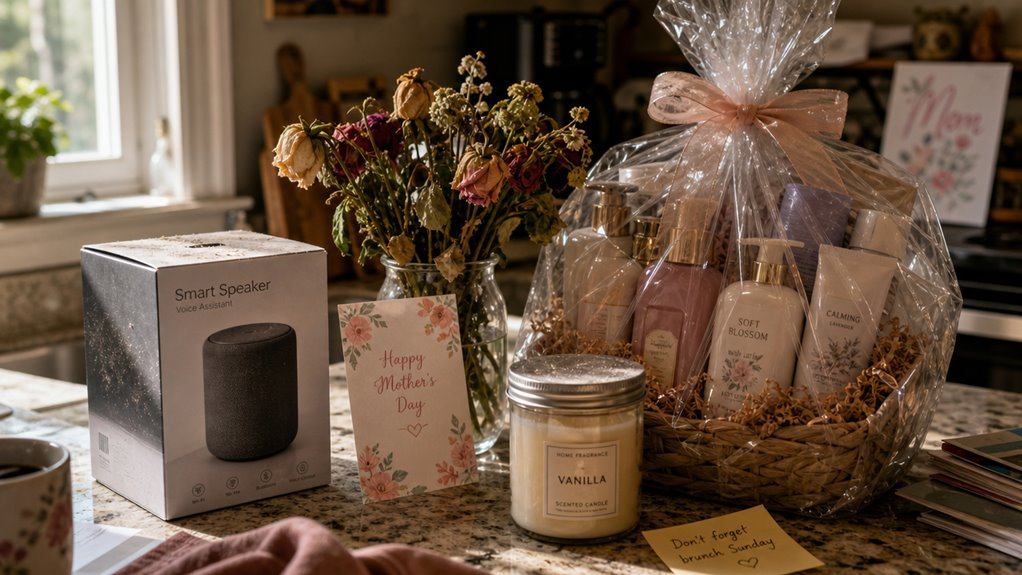
Generic gift lists miss the cook’s skill level, existing tools, and personal cooking style, which causes them to recommend items she either already owns or can’t put to practical use in her routine. A stir-fry enthusiast working with a thin, lightweight pan faces a different gap than a grill-focused cook who lacks a reliable mandoline for prep work. Identifying that gap requires reading her habits before selecting a category, because the right tool type matters less than the right fit for how she actually cooks. A purposeful upgrade closes a specific gap rather than adding clutter to an already equipped kitchen.
Ignoring Her Skill Level, Style, and What She Owns
Because generic gift lists treat every mom who cooks as the same, they often overlook three pivotal factors: her skill level, her personal style, and what she already has.
You’ll see high‑end sous‑vide kits or chef‑grade knives that assume she’s an advanced home cook; a beginner will barely use them before they collect dust. That’s skill level mismatch.
At the same time, many guides push pastel ceramicware and “coastal” aprons, ignoring whether she prefers bold colors, industrial design, or a minimalist kitchen, which is classic style blindness.
Finally, they recommend duplicate items like another set of silicone spatulas when her drawer is already full. By checking her current tools, noting her cooking confidence, and matching her aesthetic, you avoid waste and give a gift that actually fits her routine.
Reading the Cook Before the List
Skipping straight to the kitchen, you’ll notice that most generic gift lists overlook the real daily grind of a mom who cooks. To learn how to pick a gift for a cook, you first read her routine: does she stir‑fry, braise, or bake? Does she already own a sturdy chef’s knife, or does she wrestle with a dull one that needs sharpening?
Notice the mental‑load she carries: planning meals, juggling kids, and cleaning up. A thoughtful upgrade, like a high‑carbon, balanced knife with a sealed sheath, replaces a worn tool and saves her time. Avoid gadgets that demand assembly or a subscription she’ll never use.
Instead, fill a gap she’s mentioned, such as a compact, dual‑sensor thermometer that fits her pot lid. This approach respects her style, reduces extra chores, and shows you really saw her cooking world.
How to Pick a Gift for Mom Who Loves to Cook
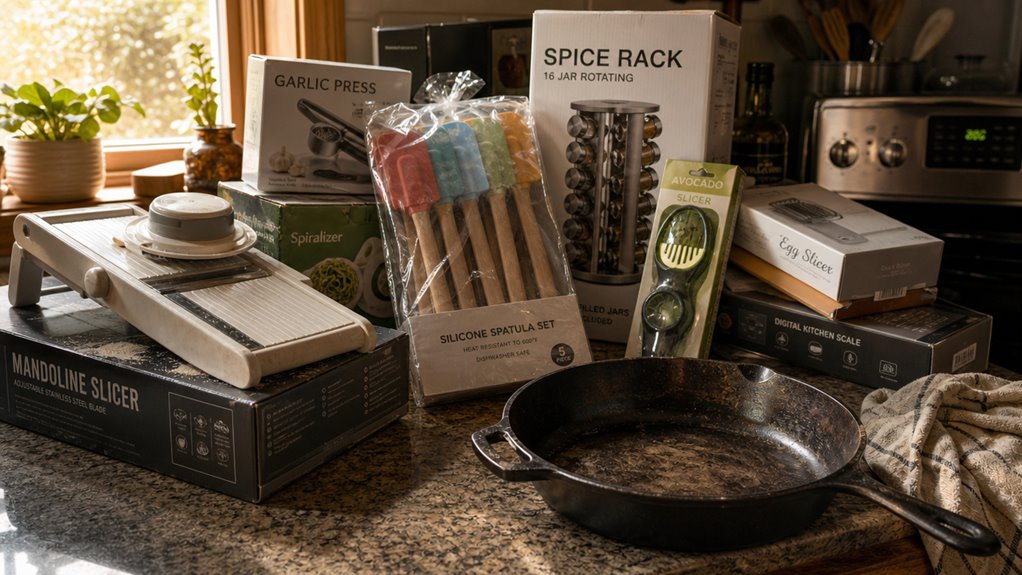
Picking a gift for a mom who loves to cook works best when the choice aligns with her preferred cuisine, her regular cooking habits, and any tool she’s mentioned needing.
A chef’s knife she reaches for daily, an immersion blender she uses for soups and sauces, or a specific piece of cookware she’s outgrown all represent real gaps worth filling.
Upgrading a worn or underpowered kitchen tool tends to deliver more value than introducing a gadget she never asked for, since unused tools often go straight into a drawer.
Matching the gift to an actual gap in her kitchen, rather than to general trends, is what determines whether she uses it regularly or sets it aside.
The sections below cover the key factors that shape a good choice.
Matching the Gift to Her Cuisine, Habits, and Gaps
When you match a gift to her cuisine, habits, and skill gaps, you avoid the generic “one‑size‑fits‑all” trap that most lists fall into. Start by mapping her favorite dishes. If she whips up stir‑fries, a carbon‑steel wok fits her cooking style better than a generic skillet. For a baker, a calibrated food scale and a dual‑sensor oven thermometer let precision shine, while a weekend grill master might appreciate a sturdy cast‑iron grill pan.
Look at how often she cooks: daily chefs benefit from a well‑balanced chef’s knife and a slip‑resistant cutting board, whereas occasional cooks enjoy a simple instant‑read thermometer. Identify gaps: beginners need a reliable nonstick pan; intermediates crave a honing rod. Each gift for home cooks should fill a real need, not just add clutter.
Why Upgrading a Tool She Loves Beats a Gadget She Never Wanted
A familiar skillet that’s been in her kitchen for years already knows the heat she likes, so swapping it for a heavier‑cast‑iron version with a polished surface does more than look nice: it cuts cooking time and speeds up seasoning.
You’ll notice the same effect when you replace her worn chef’s knife with a high‑carbon, forged blade; the sharper edge reduces prep minutes and feels smoother in her hand.
A thoughtful gift that upgrades a tool she already trusts tends to boost satisfaction, while a random gadget often sits unused, adding clutter.
Because she cooks daily, the upgraded pan and knife become part of her routine, reinforcing competence and showing you paid attention to her habits rather than chasing trends.
The Gifts That Look Thoughtful but Are Not
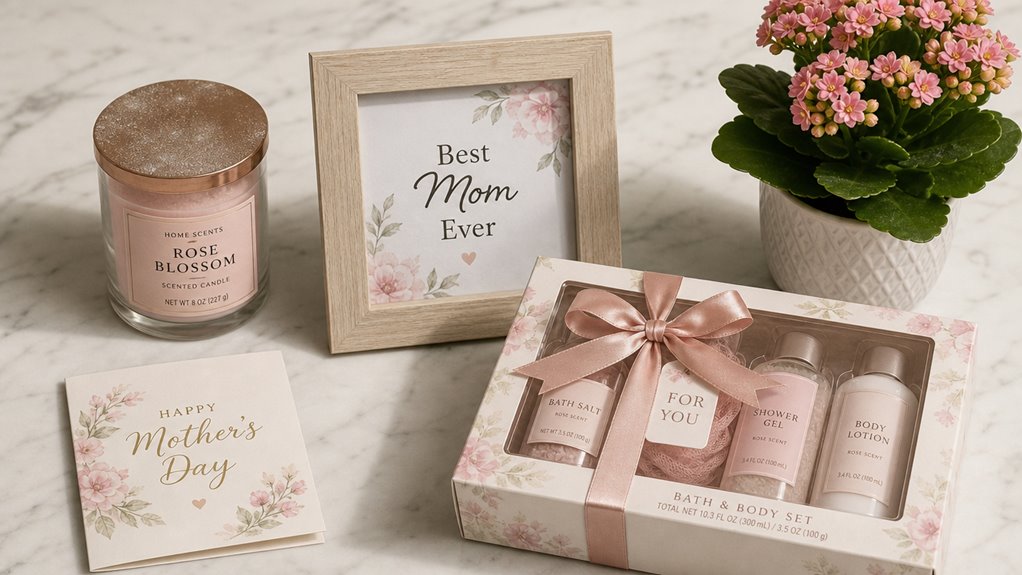
Gifts that look thoughtful but aren’t tend to share a pattern: they appear useful on the surface yet fail to address any real gap in the recipient’s kitchen. Shiny gadgets that promise faster prep often require a dedicated power outlet and a learning curve that cancel out their convenience.
Themed cookware sets look coordinated but frequently duplicate tools already owned, leaving them unused in a crowded drawer. A genuine upgrade targets a specific problem, such as replacing an unreliable stovetop thermometer with a reliable dual-sensor digital thermometer, rather than adding redundant clutter. Understanding what separates hollow novelty from meaningful utility shapes every choice that follows.
Trendy Gadgets, Themed Sets, and Duplicate Tools
If you’ve ever opened a drawer only to find a novelty waffle maker that’s been used once or twice a year, you know why trendy kitchen gadgets often feel like clutter.
A single‑use gadget, like a churro press, typically sees 1–3 uses per year before it joins the “kitchen graveyard.” Even smart tools that need an app add friction; you’ll spend minutes updating firmware instead of cooking.
Duplicate tools, such as another air fryer or blender, often end up regifted within months because they don’t improve what you already own.
Themed sets look pretty on a shelf, but they usually contain mini, low‑quality items that sit unused. You’ll waste space, money, and time on things that never become part of your daily routine.
Where a Real Upgrade Lands and a Trend Falls Flat
Trendy gadgets and themed sets may look polished on a shelf, but they often end up as clutter because they don’t solve a real pain point in her kitchen. A sleek sous‑vide kit sounds impressive, yet if she never uses a vacuum‑seal bag, it just gathers dust.
Instead, focus on thoughtful gifts for cooks that upgrade a tool she already loves, like a razor‑sharp, 8‑inch chef’s knife with a balanced, forged blade. That replaces a dull, worn‑out slicer and sees daily use.
Avoid chore‑adjacent and “house upgrade” gifts that signal more cleaning or cooking, such as a premium mop or a fancy trash can; they reinforce labor expectations rather than appreciation. A real upgrade solves a gap, not a trend.
How to Get It Right Without Overthinking
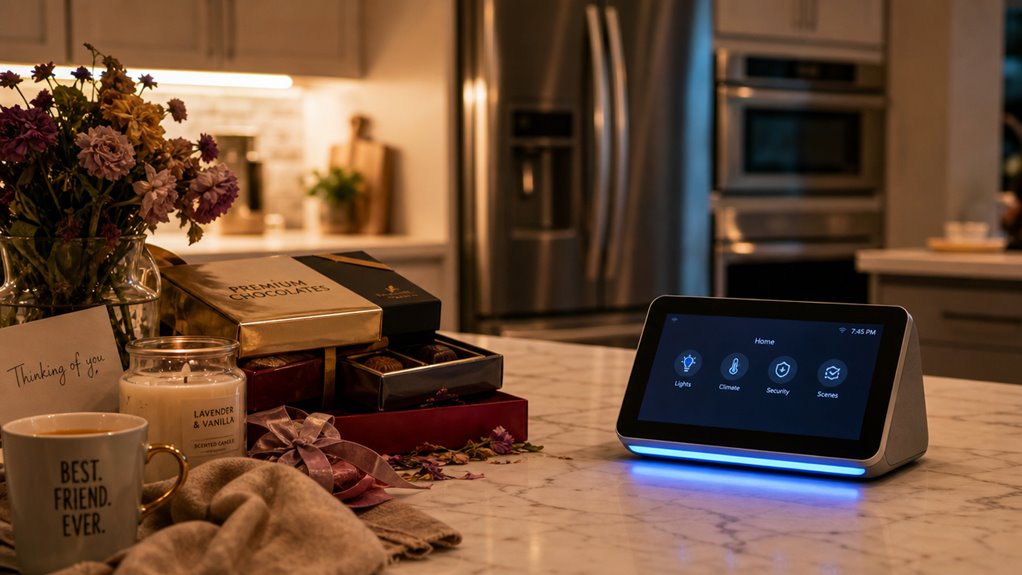
Getting kitchen gifts right without overthinking comes down to observing what someone already uses and identifying one clear gap or upgrade within a reasonable budget.
Cooking style shapes which tools matter most, since someone who preps vegetables daily has different needs than someone focused on baking or quick weeknight meals.
Material quality and design features like heat resistance or space-saving storage often determine whether a gift gets used consistently or pushed to the back of a drawer.
A silicone spatula set or a magnetic knife strip, for example, can replace a worn item or solve a clutter problem without duplicating what the person already owns.
The details ahead make those judgment calls easier to get right.
A Simple Way to Match Gift to Cook
Start by looking at what she actually uses every day, then spot the one thing that slows her down or is missing entirely. Apply matching‑gift logic with a fast fit‑check: ask which tool she reaches for daily, which task creates friction, and what she lacks. The answers guide you to an upgrade or a gap‑fill, not a trendy set.
| Daily tool | Friction point | Upgrade idea |
|---|---|---|
| Heavy skillet | Sticks on high‑heat sear | Non‑stick cast‑iron |
| Manual slicer | Inconsistent slices | Adjustable mandoline |
| Plastic storage | Leaks in fridge | Airtight glass container |
You’ll avoid duplicates, respect her cooking style, and stay under the budget. The process is quick, evidence‑based, and keeps the focus on utility.
Matching a Genuinely Useful Gift to the Under-$30 Ceiling
When you’re hunting for a Mother’s Day gift that stays under $30, the key is to focus on a single, concrete use case rather than a vague “nice‑to‑have” vibe.
Pick a useful present that solves a daily need she actually feels, and you’ll see why under‑$30 gift lists work best when they’re purpose‑driven.
- Identify a gap in her kitchen routine – a mini silicone spatula for delicate folding.
- Choose a consumable that replenishes – a 30‑count tea sampler for her afternoon ritual.
- Upgrade a tool she already loves – a stainless‑steel whisk that outlasts the cheap plastic one.
- Add a personal touch without bulk – a custom‑engraved mug that fits her coffee habit.
These steps keep the gift practical, avoid clutter, and stay within budget.
Frequently Asked Questions
What’s the Best Way to Discover Her Current Kitchen Inventory?
Start by doing a quick zone‑by‑zone sweep: open each cabinet, drawer, and pantry shelf, jot down categories and quantities on a phone note, then compare what she already owns to avoid duplicates.
How Can I Tell if She Prefers High‑Tech Gadgets or Classic Tools?
You’ll spot it by listening for “the latest gadget” chatter or “I need a sturdier whisk” remarks; ask her what’s missing, then match her tech‑savvy buzz or classic‑tool cravings.
Which Cooking Habits Reveal the Biggest Gaps in Her Toolkit?
You’ll spot gaps when she relies on pre‑cut produce, uses a single serrated knife for everything, follows recipes step‑by‑step without improvising, avoids sautéing or roasting, and salts only at the table.
How Do I Balance Premium Quality With a Sub‑$30 Budget?
Want premium feel without breaking the bank? Blend a high‑end mini‑tool, like a stainless‑steel whisk, with a discounted, well‑packaged accessory, shop sales for under‑$30 bundles, and add a personal label for luxe impact.
What Signals Show She’D Value an Upgrade Over a Brand‑New Item?
You’ll notice she keeps polishing a favorite pan, saves screenshots of a higher‑end version, and complains about uneven heating; those signs tell you she’d prefer a reliable upgrade rather than a brand‑new gadget.
Conclusion
You’ve seen how generic lists miss the mark, so focus on what she actually uses and where her kitchen could use a real upgrade. Pick a tool that fills a genuine gap, like a sharper chef’s knife that replaces the dull one she keeps reaching for. Let her daily routine tell you what works. A thoughtful, specific addition beats any broad‑stroke suggestion.
| Magnetic Spice Rack Wall-Mounted Shelf (Black) |  | Budget Magnetic Pick | Mounting Method: Magnetic (tool-free) | Primary Material: Carbon steel | Load Capacity (Approx.): Holds assorted items (≈ 5-10 lb) | VIEW LATEST PRICE | Read Our Analysis |
| Magnetic Aluminum Foil and Plastic Wrap Organizer (2-Pack) | 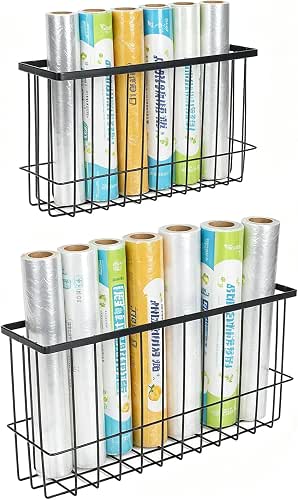 | Kitchen Organizer | Mounting Method: Magnetic back (no tools) | Primary Material: Steel (matte coating) | Load Capacity (Approx.): Holds rolls of wrap (≈ 2-3 lb) | VIEW LATEST PRICE | Read Our Analysis |
| Fun Memories 30″ Magnetic Stove Top Shelf |  | Stove-Top Companion | Mounting Method: Magnetic bottom or screws for wall mounting | Primary Material: Pine wood (magnetic base) | Load Capacity (Approx.): Holds bottles/spices (≈ 5-10 lb) | VIEW LATEST PRICE | Read Our Analysis |
Links to Amazon are affiliate links. Buying through one costs you nothing extra and helps fund the research.

Michael Haralson worked in professional kitchens from 1979 to 1992: San Diego restaurants, six years with a catering company beside an Austrian chef, and two summers as a cook on the Finland to Sweden cruise route. He then built a fifteen-year career at Nokia. It began in product marketing and product management, where technical specifications and supplier evaluation were part of the work, and grew from a few countries to a region to global roles, then into sales and corporate strategy. That took him to Beijing for three years, where he spent many weekends in a different province trying the local food and took cooking classes. He has eaten in more than 40 countries and has been shown the kitchens of restaurants in Southern Europe. At home in Finland he cooks Cantonese, Sichuan and Mediterranean food, and still uses the cast iron skillet he bought in 1992. He is the author of Buy It Once, Book One of The Researched Kitchen, and writes here about the balance between kitchen tools that cost too much and those that fail too soon.